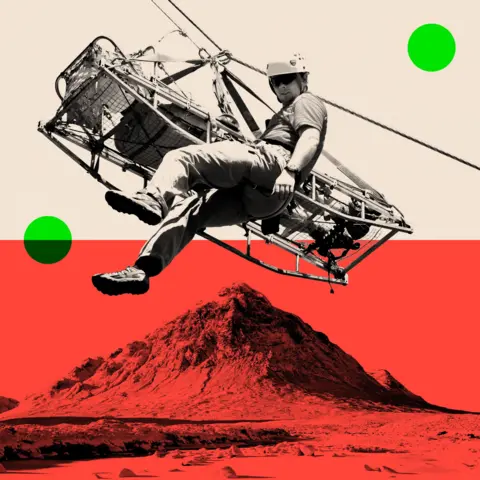
Two walkers find themselves stranded on a remote hillside as night closes in, hundreds of miles from home, after being inspired out into the wilderness by a TikTok video. It might sound like an unusual emergency - but for Mike Park, CEO of Mountain Rescue England and Wales, it’s become a familiar story.
We had two people stuck on a hill at 8pm, no torches. One was in their early 20s and the other was late 30s. It was their first time on a hill. They'd travelled a long way because they’d seen a TikTok route. They set off on their walk at 2pm - too late - wearing shorts, T‑shirts and carrying only a picnic, he recalls.
Park emphasizes that the recent rescue, in the Lake District, epitomizes typical callouts facing rescue teams today as they witness a rise in inexperienced individuals venturing onto dangerous terrains after being encouraged by social media influencers.
They got off‑route, found themselves in unfamiliar ground – but they did the right thing by calling for help. If we hadn't reached them, they'd have been stuck all night in the dark. By morning, I'm confident they’d be suffering hypothermia - possibly unable to walk, he warns.
As participation in outdoor activities grows, so too does the number of callouts for mountain rescue teams, increasing from approximately 1.4 million climbers in 2018 to an expected 3.6 million in 2024. The number of rescues in England and Wales has more than doubled in the last decade, reaching over 3,000 annually. Notably, younger adventurers aged 18-24 now represent the most rescued demographic, surpassing older age groups that historically sought help more often.
Park attributes this uptick in emergencies to societal changes, including a rise in the number of people seeking outdoor adventures alongside busy lifestyles. However, he notes that many adventurers, particularly the young, are far less prepared than past generations.
It doesn’t matter what age you are - society is more adventurous, more reliant on help, less outdoor-aware, and less prepared, he explains.
The influence of social media cannot be neglected, with individuals increasingly drawn to the outdoors by visual content highlighting scenic landscapes shared by influencers on platforms like TikTok and Instagram. Yet, Park asserts these individuals often underestimate the dangers present in those environments, leading to preventable injuries and errors in judgment.
Martin McMullan from Mourne Mountain Rescue Team in Northern Ireland recalls recent incidents where social media have played a significant role in influencing outdoor endeavors. People search out iconic locations made popular by influencers, he says.
In some alarming cases, McMullan suggests that some adventurers may even deliberately seek rescue situations to enhance their social media content narratives.
Tragically, this trend can have serious consequences, as reflected in the story of Jack Carne, a young hiker whose fatal accident serves as a stark reminder of the unpredictable nature of mountain pursuits, regardless of one’s preparedness.
As rescue teams cope with increasing demands, discussions arise surrounding potential preventive measures, including signage and barriers in high-risk areas. However, many argue that excessive regulation could undermine the spirit of exploration and adventure inherent in outdoor activities.
Ultimately, the dialogue over who bears responsibility for safety in the mountains continues, as rescue teams strive to balance assistance with increasing outdoor participation while emphasizing the importance of preparedness and risk awareness.
We had two people stuck on a hill at 8pm, no torches. One was in their early 20s and the other was late 30s. It was their first time on a hill. They'd travelled a long way because they’d seen a TikTok route. They set off on their walk at 2pm - too late - wearing shorts, T‑shirts and carrying only a picnic, he recalls.
Park emphasizes that the recent rescue, in the Lake District, epitomizes typical callouts facing rescue teams today as they witness a rise in inexperienced individuals venturing onto dangerous terrains after being encouraged by social media influencers.
They got off‑route, found themselves in unfamiliar ground – but they did the right thing by calling for help. If we hadn't reached them, they'd have been stuck all night in the dark. By morning, I'm confident they’d be suffering hypothermia - possibly unable to walk, he warns.
As participation in outdoor activities grows, so too does the number of callouts for mountain rescue teams, increasing from approximately 1.4 million climbers in 2018 to an expected 3.6 million in 2024. The number of rescues in England and Wales has more than doubled in the last decade, reaching over 3,000 annually. Notably, younger adventurers aged 18-24 now represent the most rescued demographic, surpassing older age groups that historically sought help more often.
Park attributes this uptick in emergencies to societal changes, including a rise in the number of people seeking outdoor adventures alongside busy lifestyles. However, he notes that many adventurers, particularly the young, are far less prepared than past generations.
It doesn’t matter what age you are - society is more adventurous, more reliant on help, less outdoor-aware, and less prepared, he explains.
The influence of social media cannot be neglected, with individuals increasingly drawn to the outdoors by visual content highlighting scenic landscapes shared by influencers on platforms like TikTok and Instagram. Yet, Park asserts these individuals often underestimate the dangers present in those environments, leading to preventable injuries and errors in judgment.
Martin McMullan from Mourne Mountain Rescue Team in Northern Ireland recalls recent incidents where social media have played a significant role in influencing outdoor endeavors. People search out iconic locations made popular by influencers, he says.
In some alarming cases, McMullan suggests that some adventurers may even deliberately seek rescue situations to enhance their social media content narratives.
Tragically, this trend can have serious consequences, as reflected in the story of Jack Carne, a young hiker whose fatal accident serves as a stark reminder of the unpredictable nature of mountain pursuits, regardless of one’s preparedness.
As rescue teams cope with increasing demands, discussions arise surrounding potential preventive measures, including signage and barriers in high-risk areas. However, many argue that excessive regulation could undermine the spirit of exploration and adventure inherent in outdoor activities.
Ultimately, the dialogue over who bears responsibility for safety in the mountains continues, as rescue teams strive to balance assistance with increasing outdoor participation while emphasizing the importance of preparedness and risk awareness.