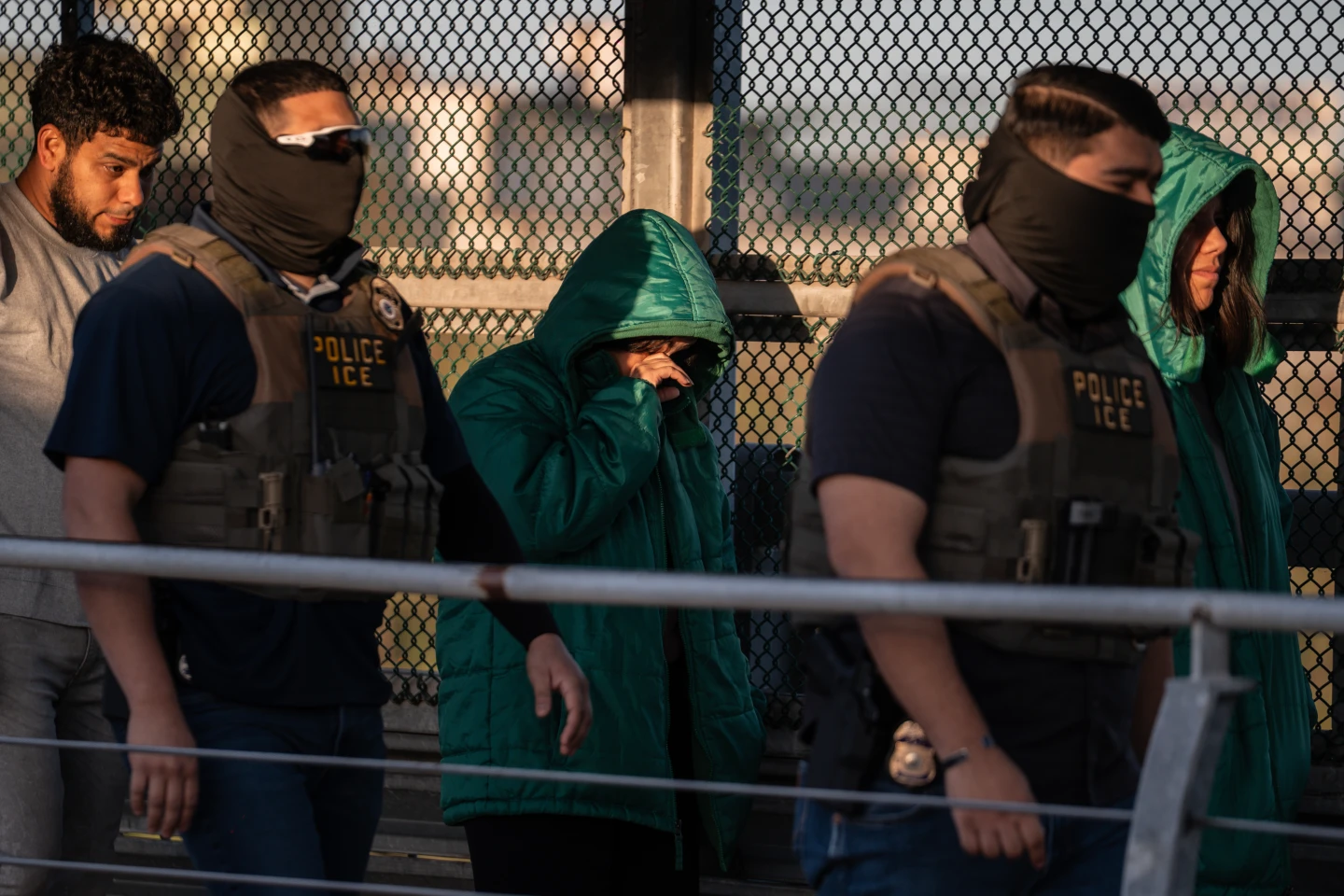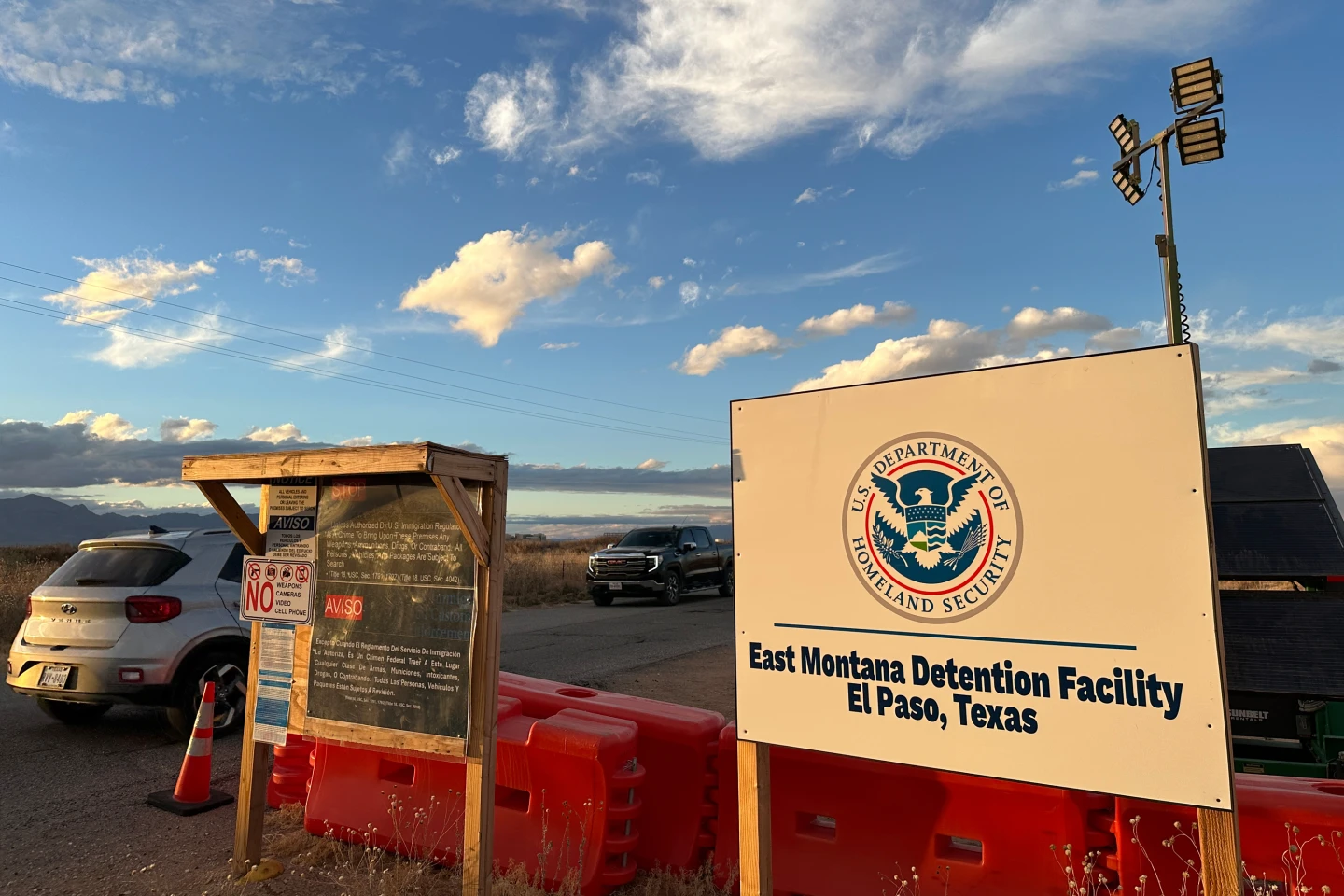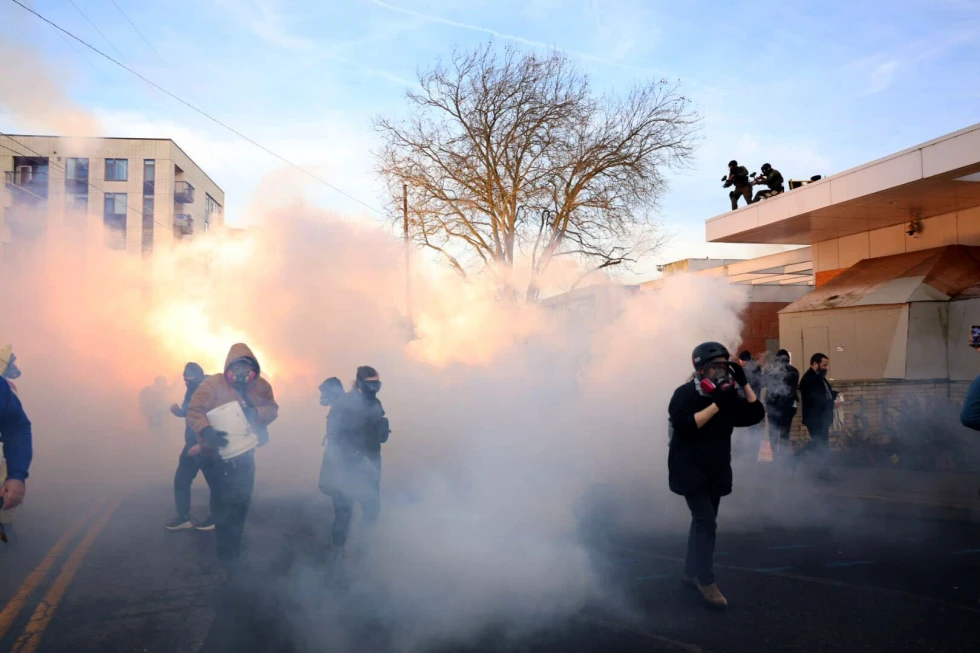
In Minneapolis, families are living in fear as federal immigration agents ramp up their operations. The Wampash Tuntuam family finds themselves in a precarious situation, with their mother recently detained by ICE for entering the country illegally. The eldest son, only 20 years old, now shoulders the immense responsibility of caring for his younger siblings.
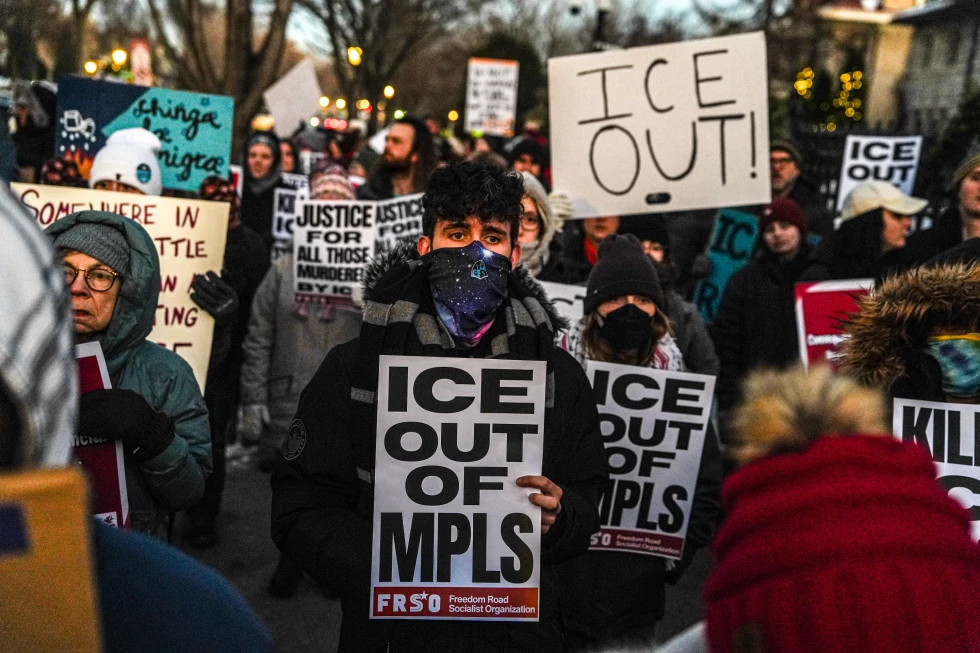
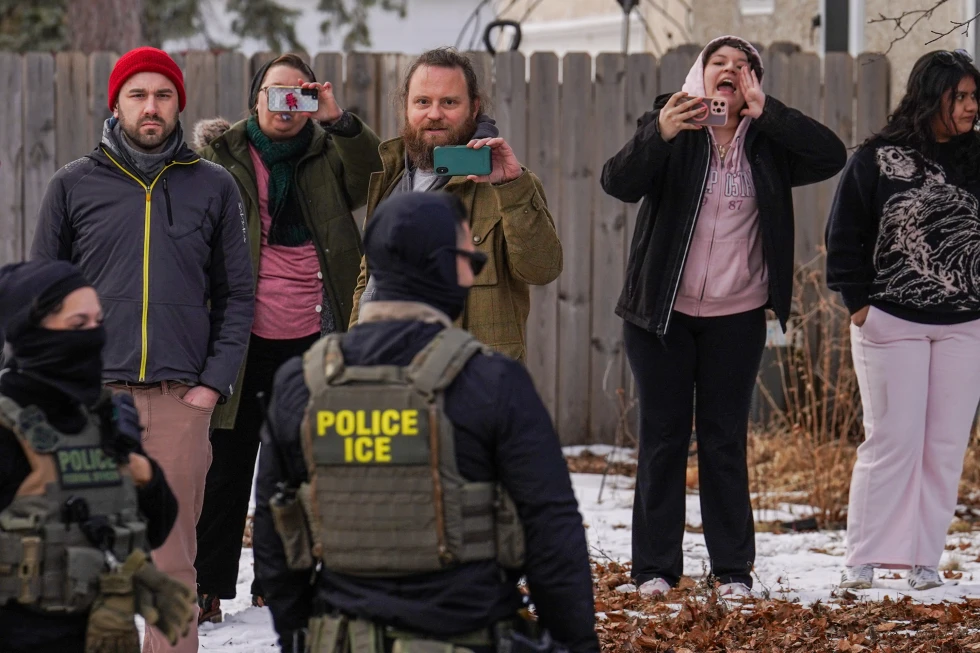
Faced with federal threats at their doorstep, the family sought refuge with the help of community members like Feliza Martinez, who mobilized volunteers to assist with relocation. As more than 2,000 federal agents comb the area for undocumented immigrants, residents have not remained passive. Instead, they have organized monitoring efforts, rental assistance for affected families, and daily check-ins to ensure the welfare of children left without their parents.
Community organizations, such as Source MN, are expanding their efforts to support hundreds of immigrant families, battling fear and uncertainty head-on. Martinez, a factory worker and mother of five, has shifted her focus from work to help her neighbors navigate these turbulent waters. We're here with you, she reassures families in distress.
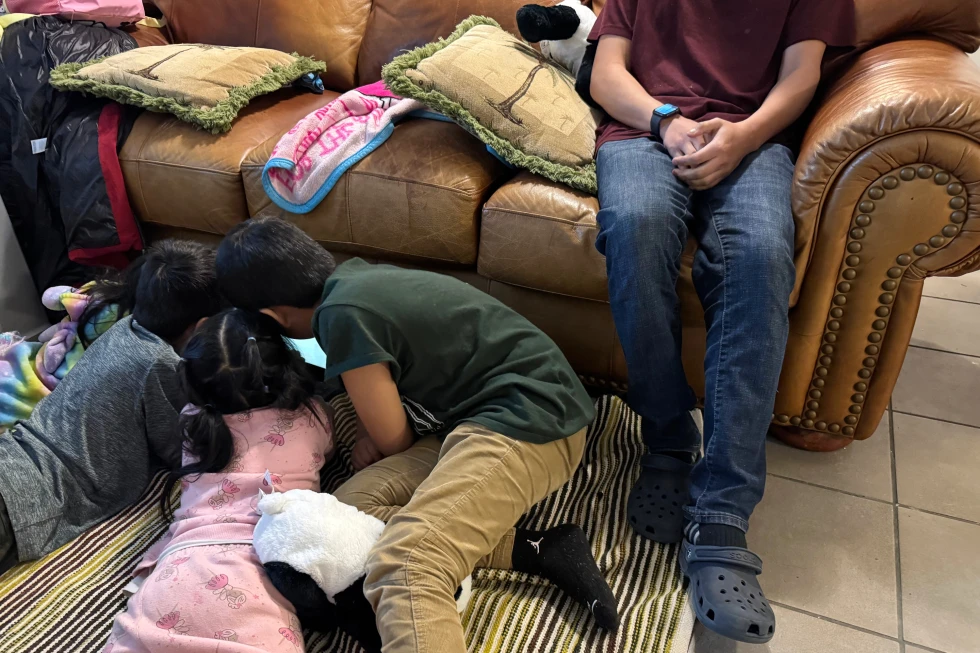
As the Wampash Tuntuam family settles into their new safe haven, they share both laughter and worries. The younger children find comfort in a normal home life, playing with snacks and coloring books, while the older siblings are acutely aware of the risks they face. They worry for their mother and fear the implications of her detainment on their family’s future.
While officials maintain that ICE does not separate families, the lived experiences of many families suggest otherwise. The response from the community—supporting each other in dark times—underscores a deepening empathy and action among citizens inspired to protect the rights and lives of their vulnerable neighbors. The emotional toll on families like the Wampash Tuntuam’s is immense, evidenced by their struggle to cope amidst the uncertainty of whether their mother will return home.
As federal immigration enforcement becomes a daily reality in many communities, the question looms: how will individuals and families adapt to this evolving crisis? And what role will community support play in ensuring the safety and well-being of those affected?