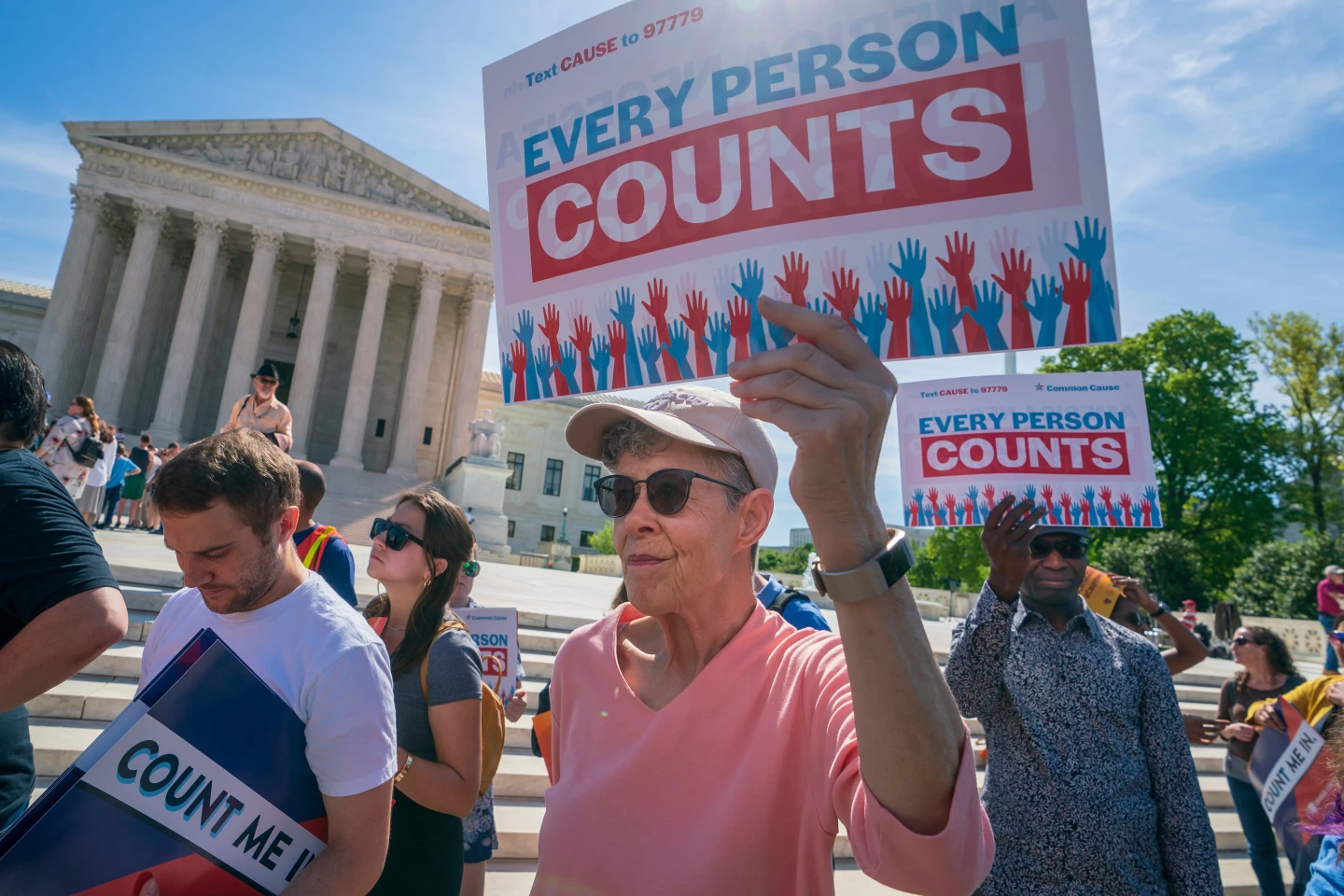
ORLANDO, Fla. — The countdown to the next U.S. census is underway, but legal disputes emerging this year might influence the approach to counting and the inclusion of various groups.
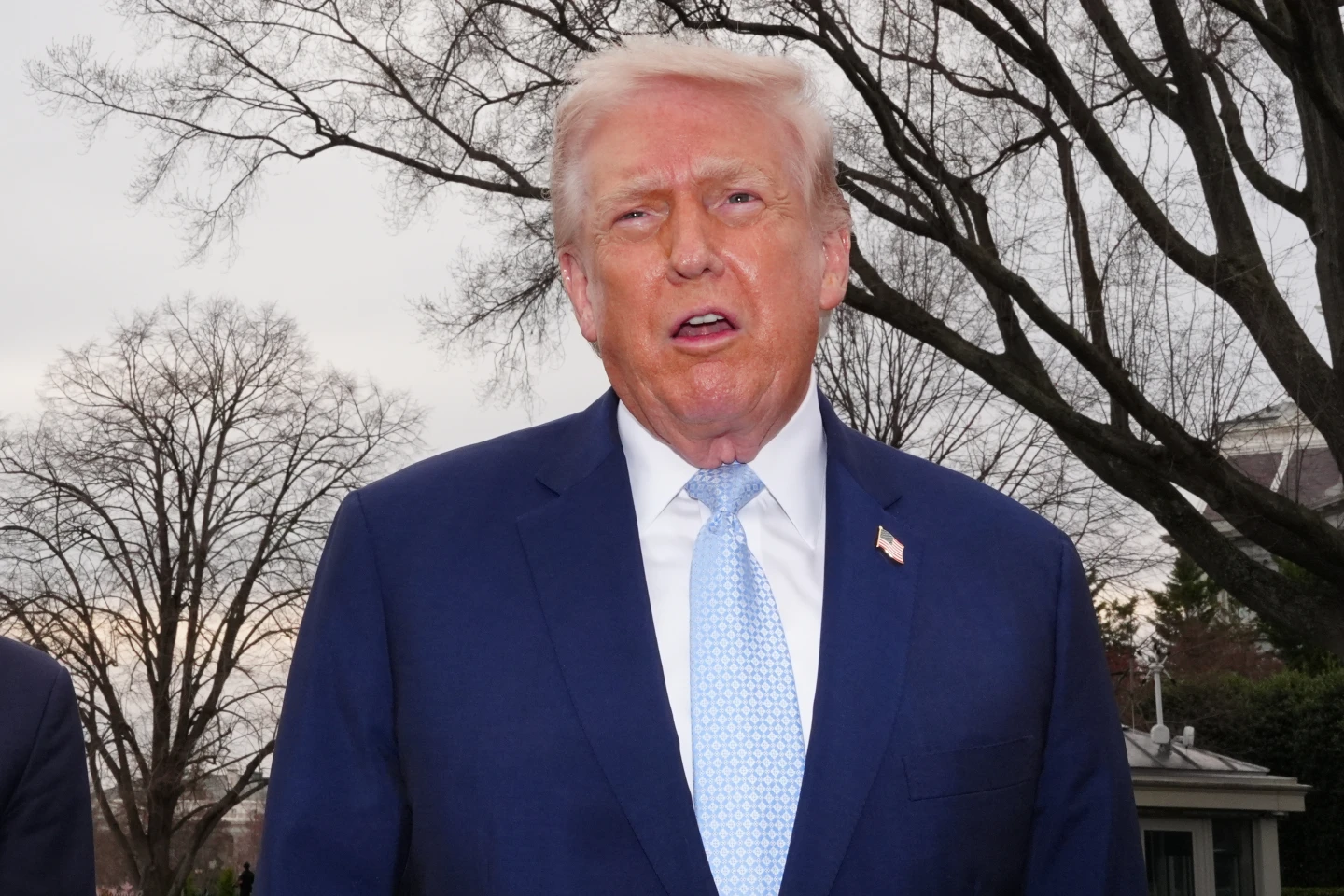
Backing former President Donald Trump, two federal lawsuits aim to challenge key practices utilized by the U.S. Census Bureau, an essential process for determining congressional seats and state funding allocations.
Among these suits, America First Legal—co-founded by Trump associate Stephen Miller—contests privacy methods the Bureau employs and seeks to revise the 2020 census data. Miller stated, This lawsuit aims to halt illegal practices that threaten fair representation.
The other case, initiated in Louisiana, seeks to ensure that individuals in the country illegally are not counted toward congressional representation—aligning with core elements of Trump's agenda, despite the fact the 2030 census will take place under a different administration.
As legal proceedings unfold, with a Democratic law firm intervening in both cases, the Census Bureau is diligently pushing forward with preparations for the upcoming census, including practice runs scheduled at six locations this year.
The Legal Challenges
America First Legal's suit highlights concerns about participant privacy methods and the counting of residents in communal facilities. The suit aims to end these practices ahead of the 2030 census.
The Louisiana lawsuit, backed by Republican officials, pushes for a legal definition excluding undocumented individuals from apportionment counts. This could significantly impact districting in states with large immigrant populations.
Democratic-aligned groups are voicing concerns that the Justice Department may not vigorously defend the Bureau's interests amid these lawsuits. A judge has yet to decide on several attempted interventions in both cases.
Defending the Census Bureau
The challenges to the Census Bureau's methods echo Trump's past initiatives, including attempts to alter how immigrant data is treated during the census process. In previous census preparations, Trump sought to restrict the counting of unauthorized immigrants, an action opposed by various advocacy groups and eventually blocked by the Supreme Court.
With the Census Bureau under scrutiny as it lays the groundwork for the 2030 census, the outcomes of these lawsuits could fundamentally alter the methodologies applied to future population counts and subsequently influence representation in Congress and the disbursement of federal funds.