Lebanon parliament votes to abolish death penalty
Lebanon’s parliament approved a bill to repeal the death penalty on Tuesday, becoming the first country in the Middle East to formally abandon capital punishment. The measure will replace executions with life imprisonment coupled with hard labour.
The 128‑seat parliament saw a majority of MPs vote in favour, while Hezbollah’s bloc opposed it and the government already expressed its support. The law now proceeds to the cabinet and will be signed into force by President Joseph Aoun.
Though Lebanon has not carried out an execution since 2004, courts continue to issue death sentences; rights groups estimate that more than 78 people remain on death row. The new legislation does not yet detail how the life‑imprisonment sentence will be enforced.
Hard labour, already part of Lebanese law, has rarely been implemented in recent years because of the country’s financial crisis and overcrowded prisons.
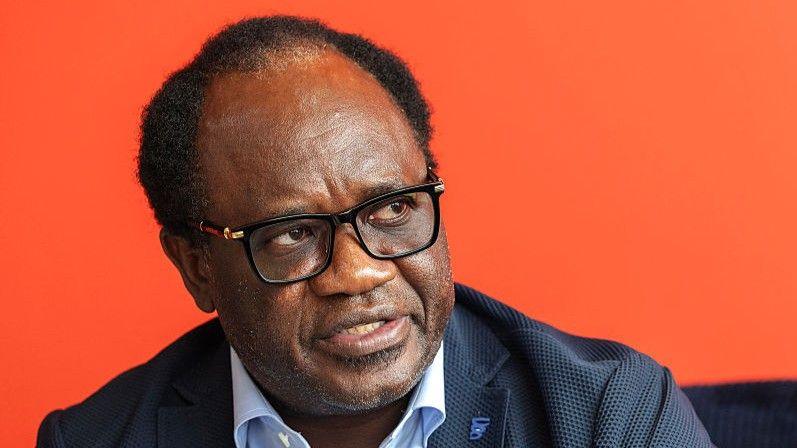
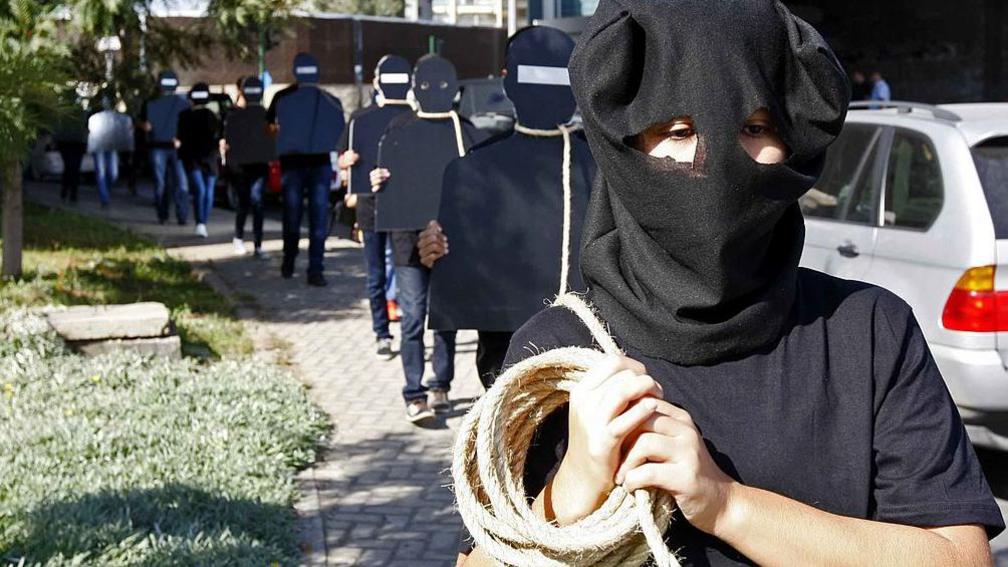
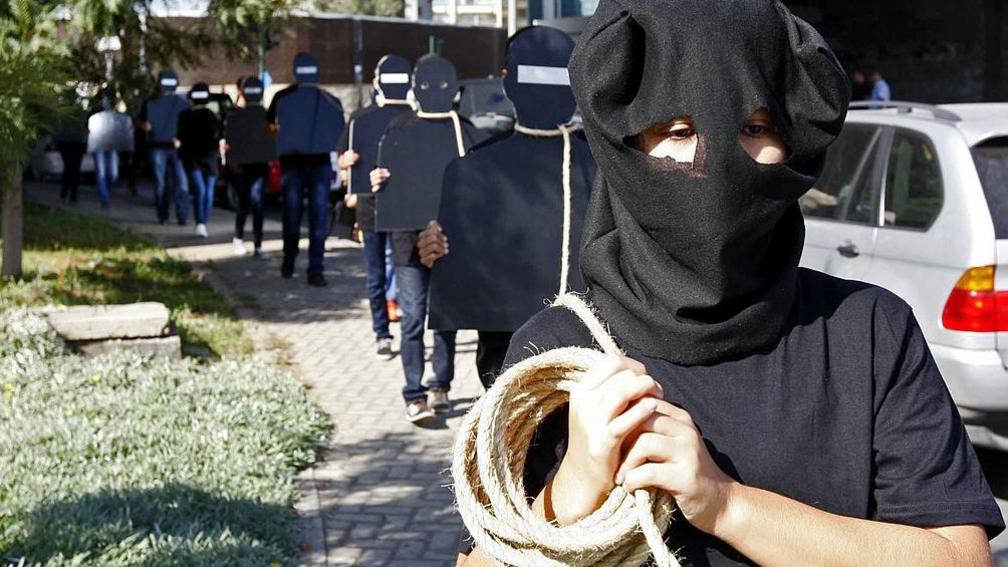
The move follows decades of advocacy by civil society groups and lawyers. “We cannot solve a crime with a crime or end violence with violence,” said Oragit Younan, co‑founder of the Lebanese Association for Civil Rights, who led a nearly three‑decade campaign to abolish the death penalty.
Younan noted that even in the current war, humans can still fight for human rights and set a model for others. The vote comes after a long de‑facto moratorium on executions, when a presidential, prime‑minister and justice‑minister decree would have been required to carry out a capital sentence – none of which has been signed since 2004.
The decision came while other Middle Eastern states are taking different paths: Jordan resumed executions in June after a seven‑year pause, Israel expanded the circumstances under which it can impose death sentences, and the United Nations has expressed alarm over Iran’s rising executions used to suppress dissent.