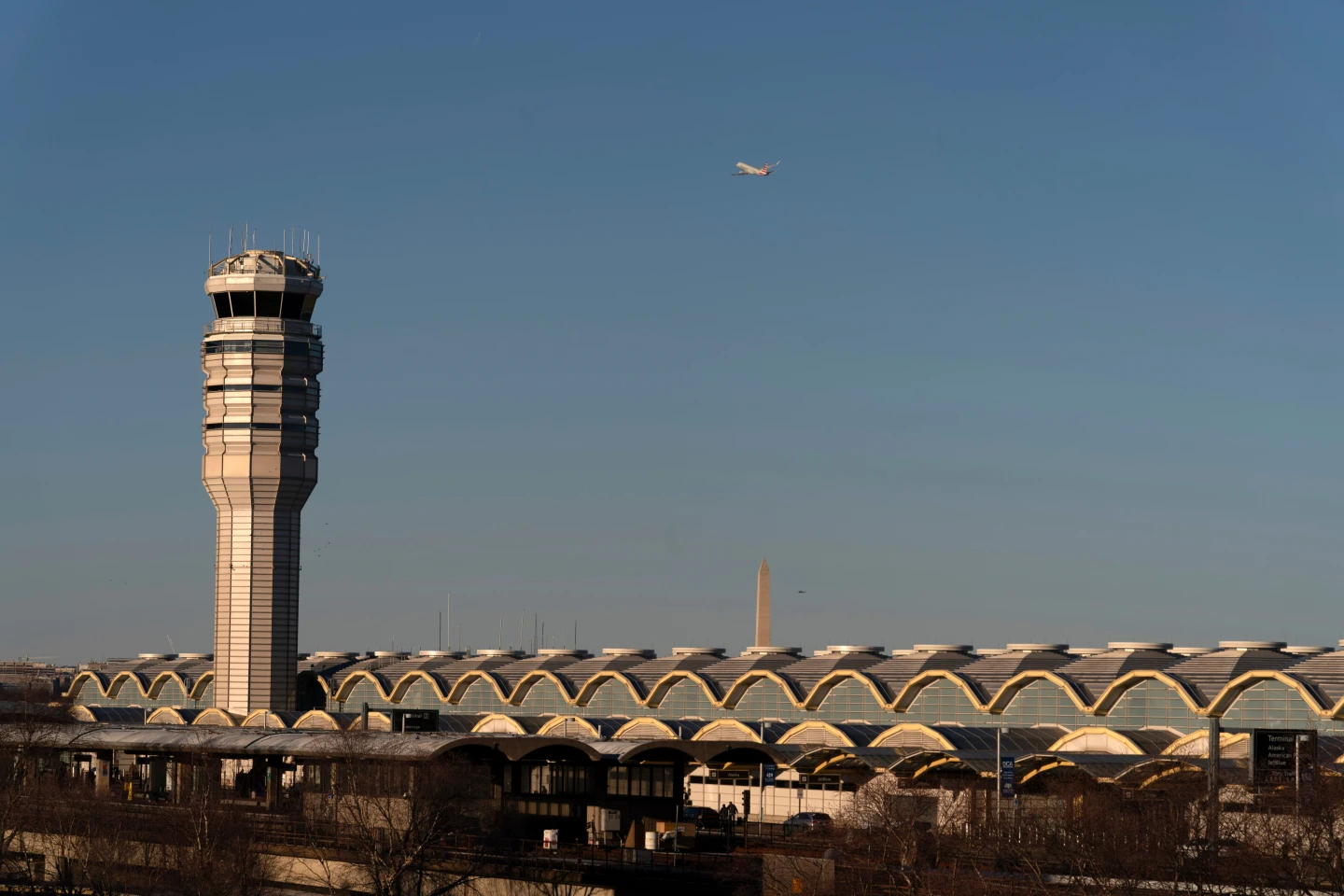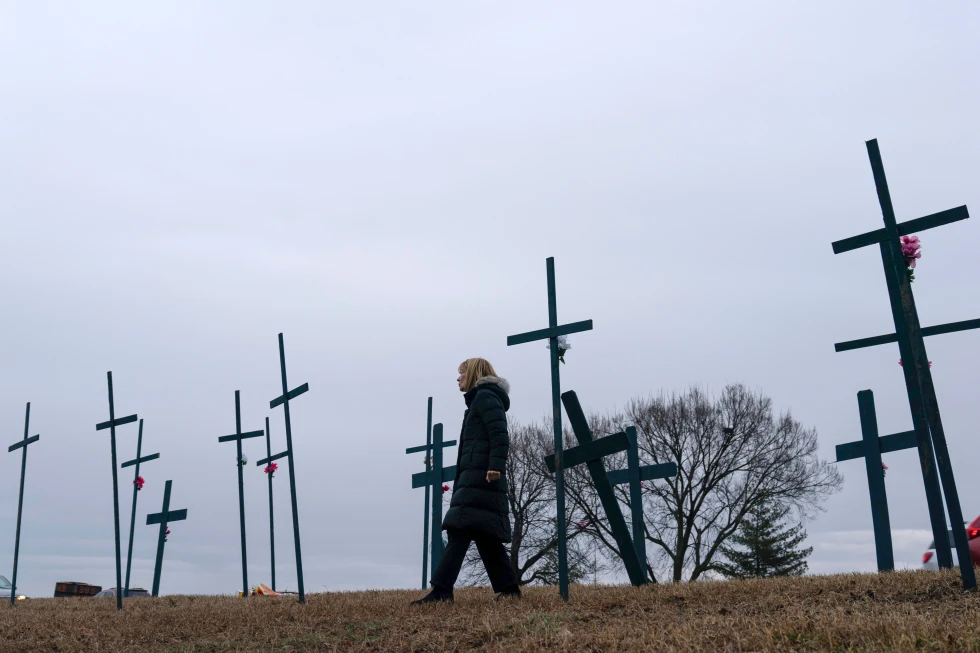
Key senators and the families of 67 victims from a tragic airliner collision near Washington, D.C., are advocating for the adoption of advanced aircraft locator systems. Experts have recommended these systems for nearly two decades, with many believing that their installation could have prevented the January 29, 2025, tragedy.
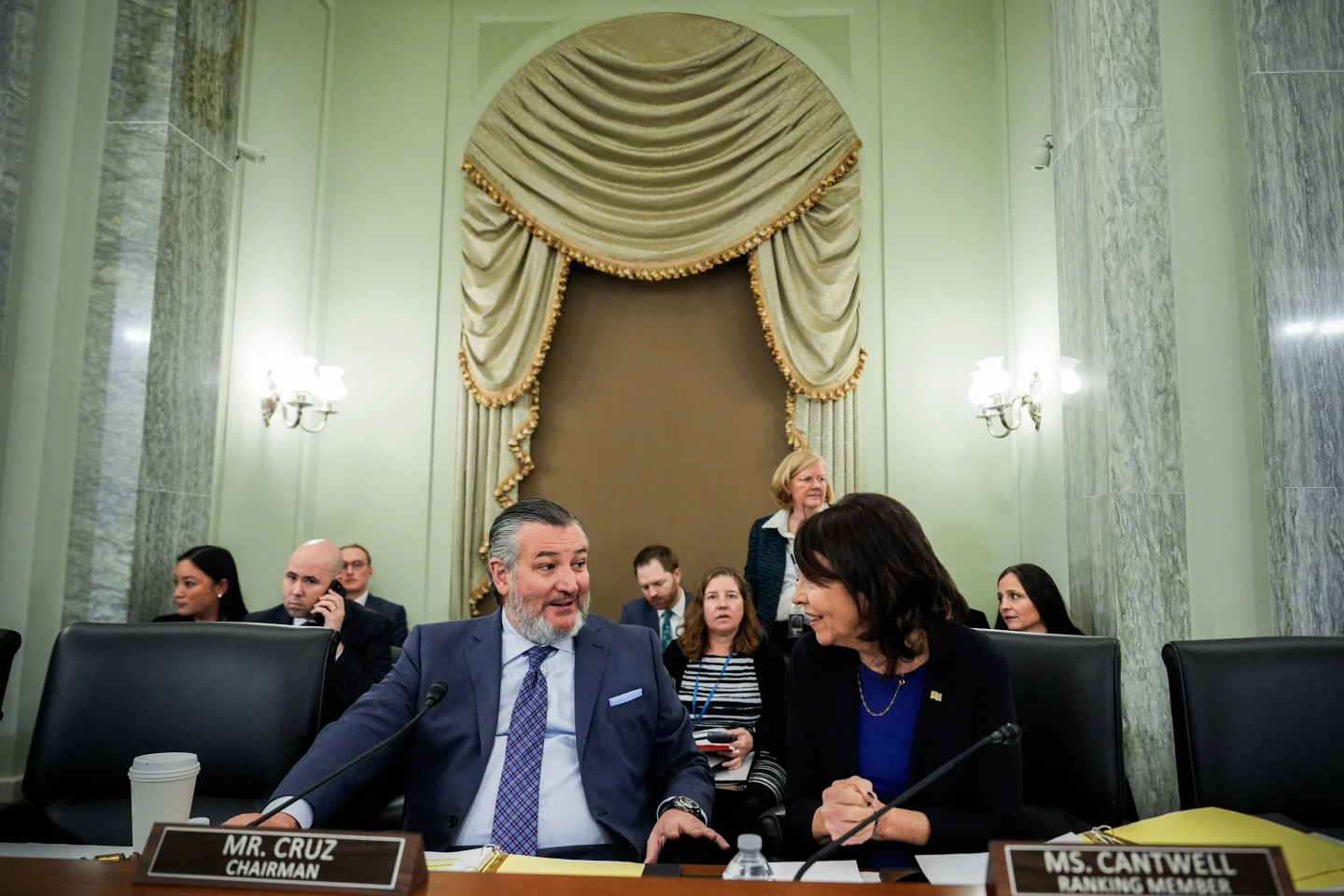
The Senate Commerce Committee is scheduled to hold a hearing highlighting the National Transportation Safety Board's (NTSB) ongoing recommendations for all aircraft to be equipped with both a location broadcasting system and a receiving system that informs pilots about other aircraft around them. Currently, only the broadcasting system is mandated.
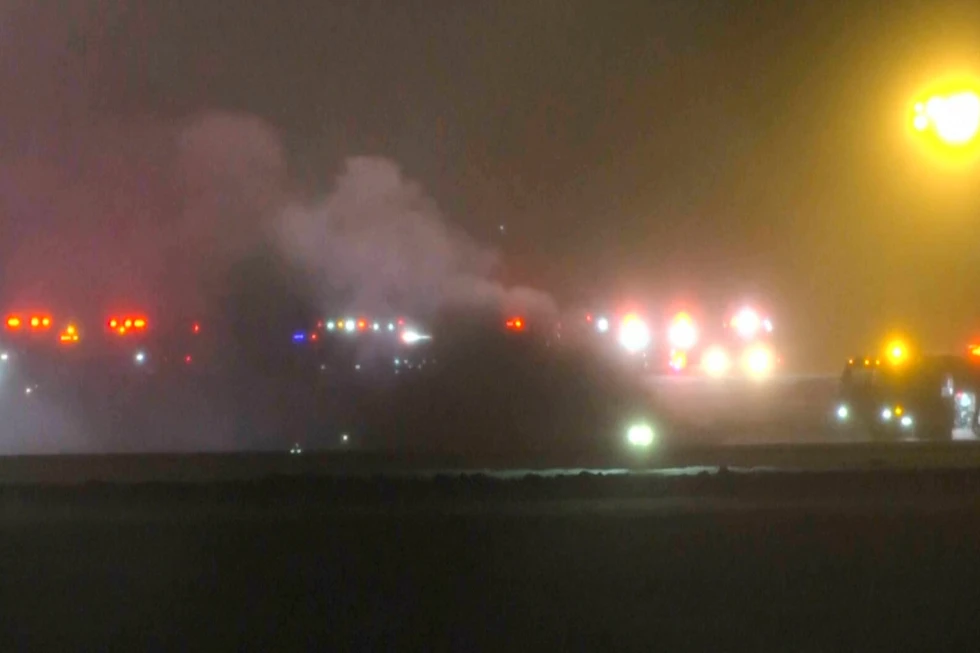
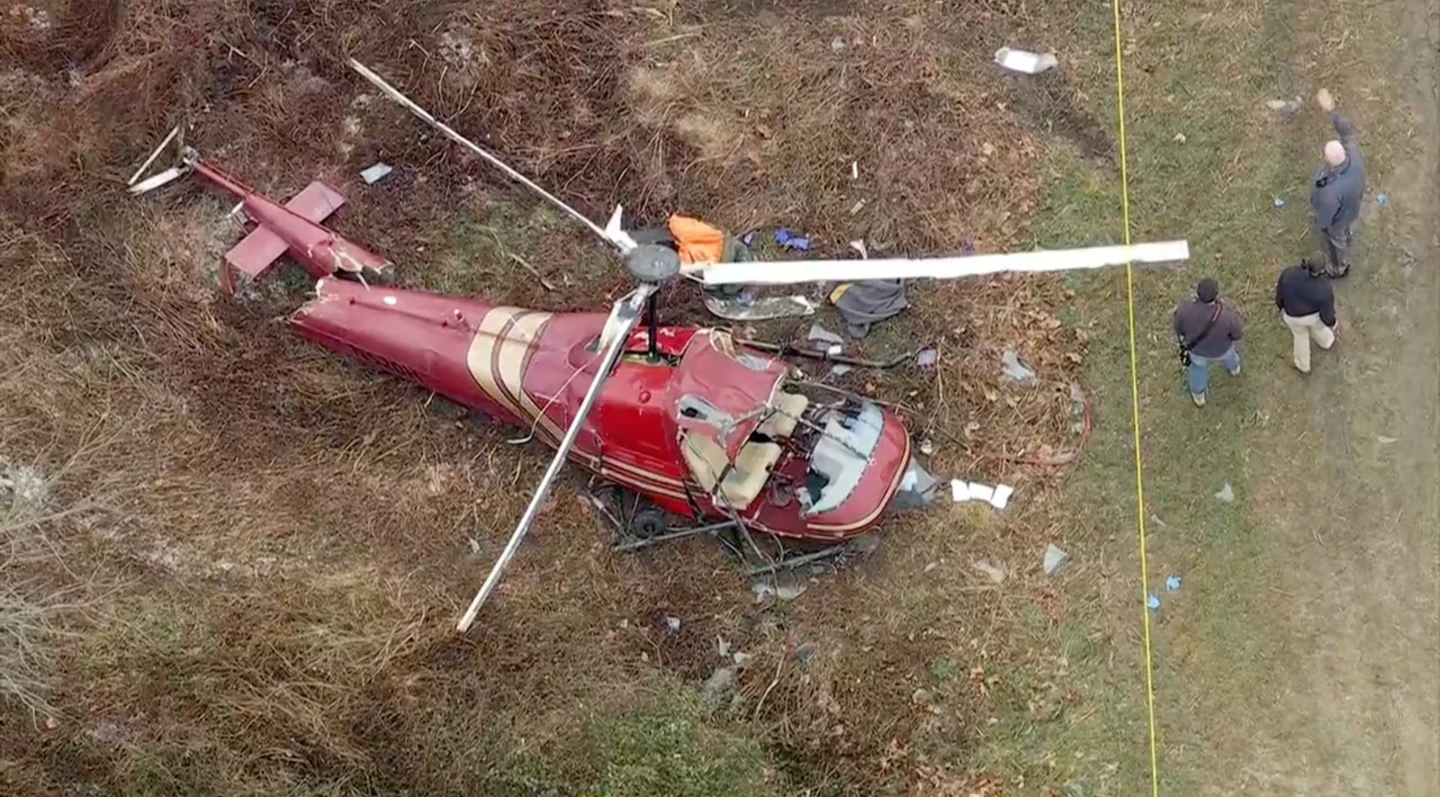
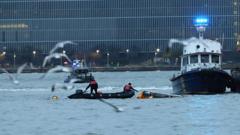
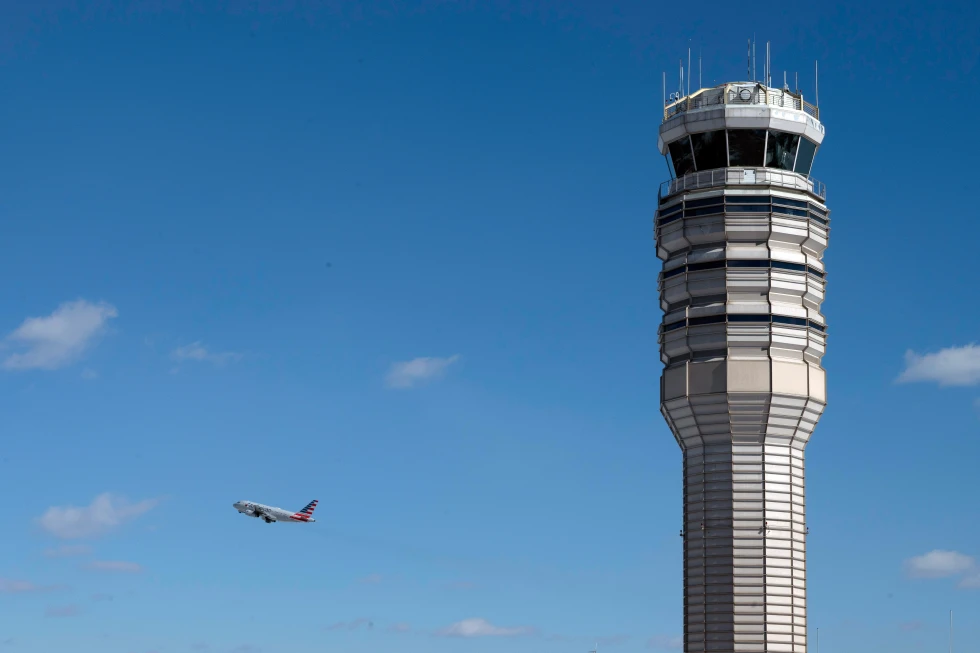
The collision occurred when a Black Hawk helicopter and an American Airlines jet en route from Wichita, Kansas, crashed into the icy Potomac River, resulting in the death of all individuals onboard, including 28 figure skaters and their families.
Despite the Senate's unanimous approval of a bill to mandate both types of locator systems around busy airports, key House committee leaders are pushing to develop a comprehensive bill covering all NTSB recommendations rather than immediately passing the ROTOR Act. The existing ADS-B out systems, which broadcast aircraft locations, have been required since 2020, however, the ADS-B in systems that receive signals and display surrounding air traffic are not yet standardized.
Families of the victims believe had the American Airlines airplane been equipped with ADS-B in systems capable of receiving location data, there might have been an opportunity to avoid the disaster. The NTSB indicates that these systems could have provided nearly a full minute of warning, rather than the mere 19 seconds offered by the current system in place.
During the upcoming hearing, NTSB Chairwoman Jennifer Homendy, along with Transportation Secretary Sean Duffy, will discuss the systematic issues identified in the crash investigation and advocate for tackling these challenges through technology. Victims' family member Amy Hunter reflects on the need for changes, expressing hope that such a tragedy can be prevented in the future.
However, the cost of implementing these systems remains a significant hurdle. Upgrading an aircraft could cost hundreds of thousands of dollars, posing a challenge for regional airlines and general aviation pilots. Nevertheless, many smaller aircraft already utilize affordable portable devices that can access location data.
Pilot Tim Lilley, who lost his son in the collision, emphasizes the importance of these safety measures, asserting that if the NTSB's recommendations had been fully enacted, the accident could have been avoided. He insists that ensuring the safety of pilots and passengers should be prioritized above costs.