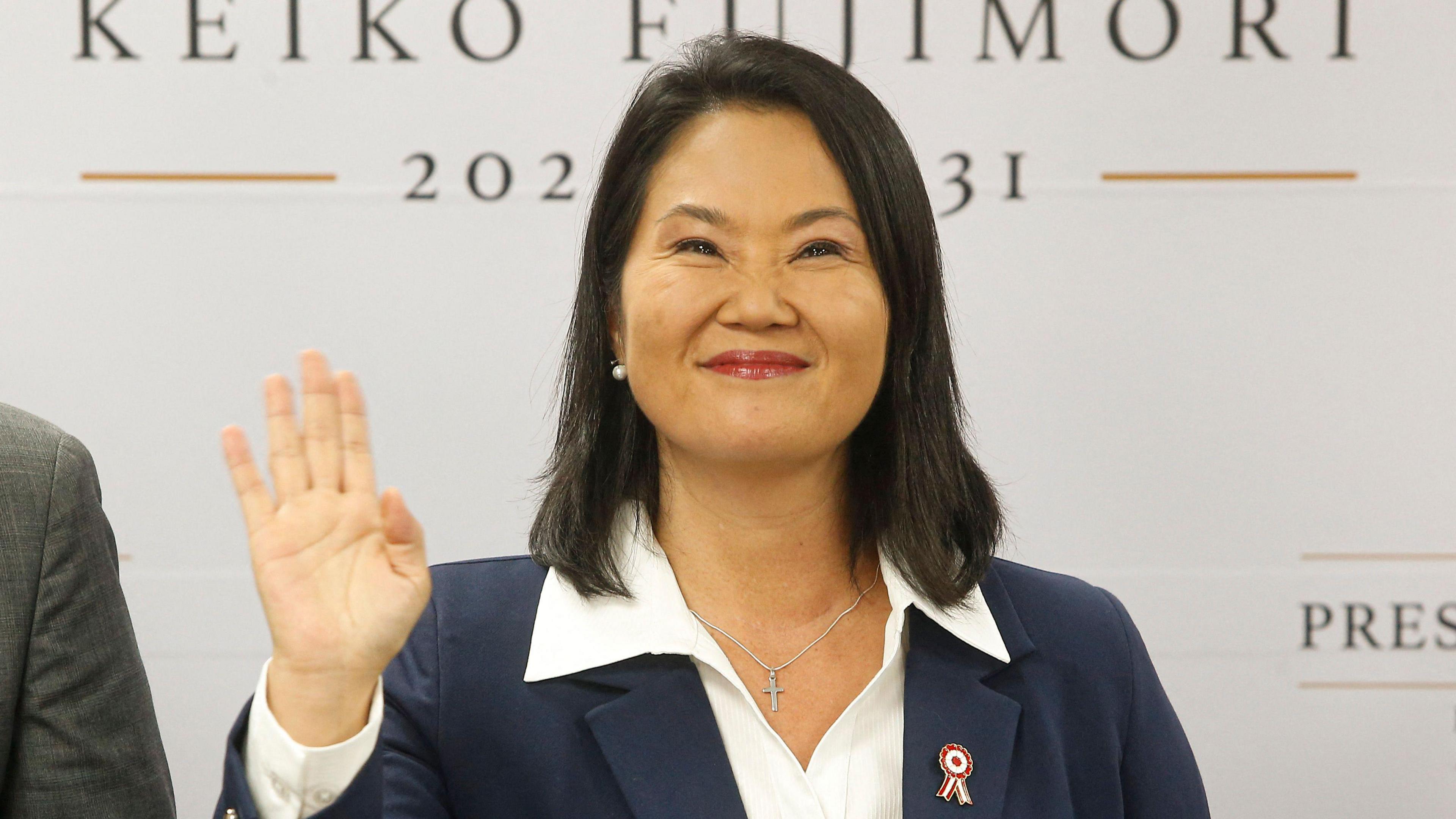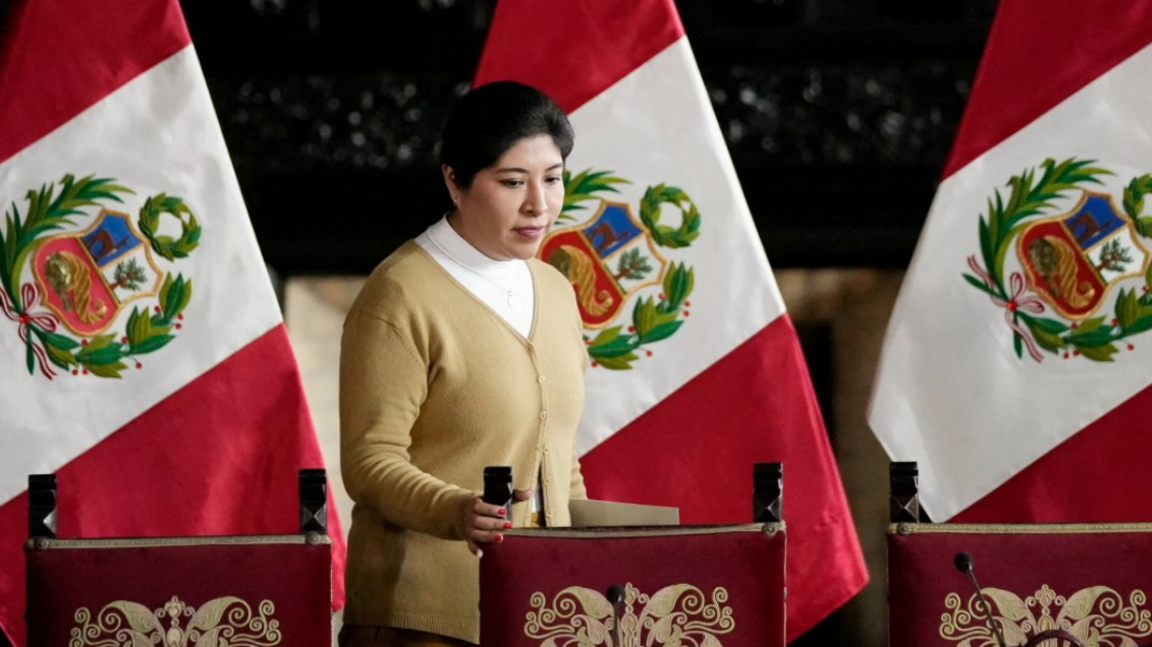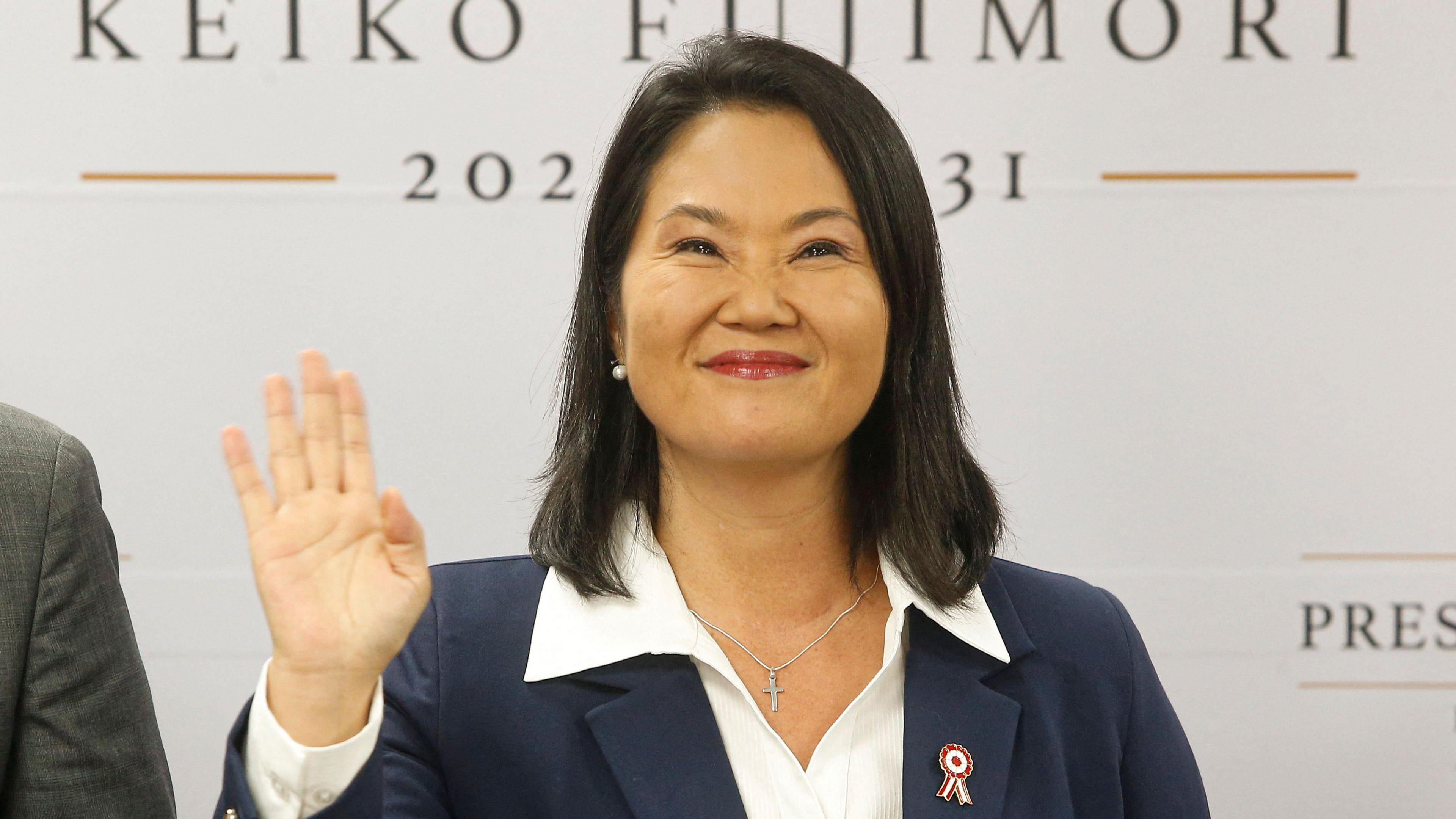
In a razor‑thin runoff held on 7 June, Peru’s 51‑year‑old Keiko Fujimori secured just over 50 % of the vote, edging out left‑wing challenger Roberto Sánchez by fewer than 50,000 votes. The electoral court certified a 50.135 % to 49.865 % split, a difference that left the election in doubt for weeks.
Fujimori’s victory represents her fourth attempt at the presidency. She has campaigned on promises of a military crackdown on organized crime—a legacy of the authoritarian rule of her father, former president Alberto Fujimori—alongside plans to woo private investment and to expel undocumented immigrants convicted of crimes.
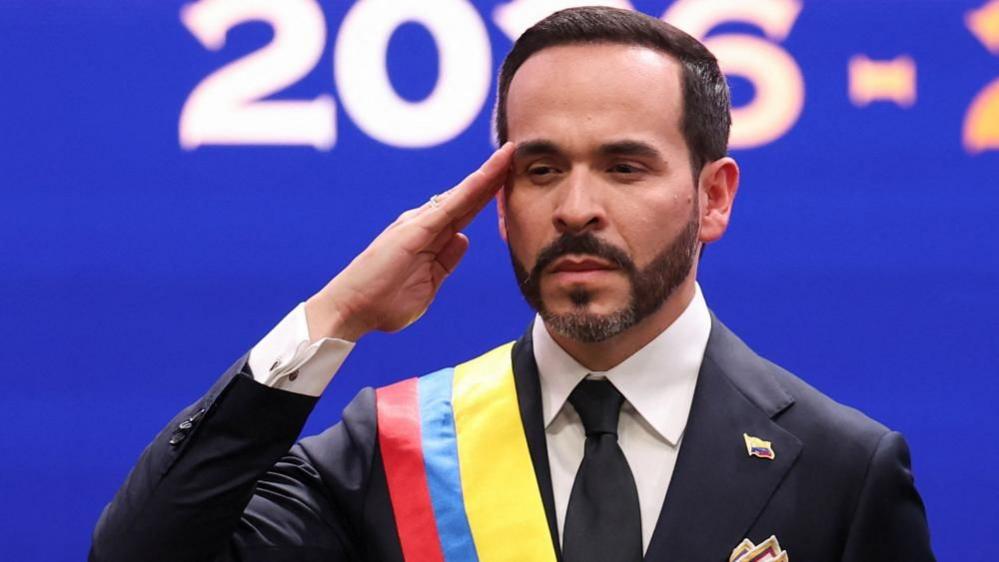
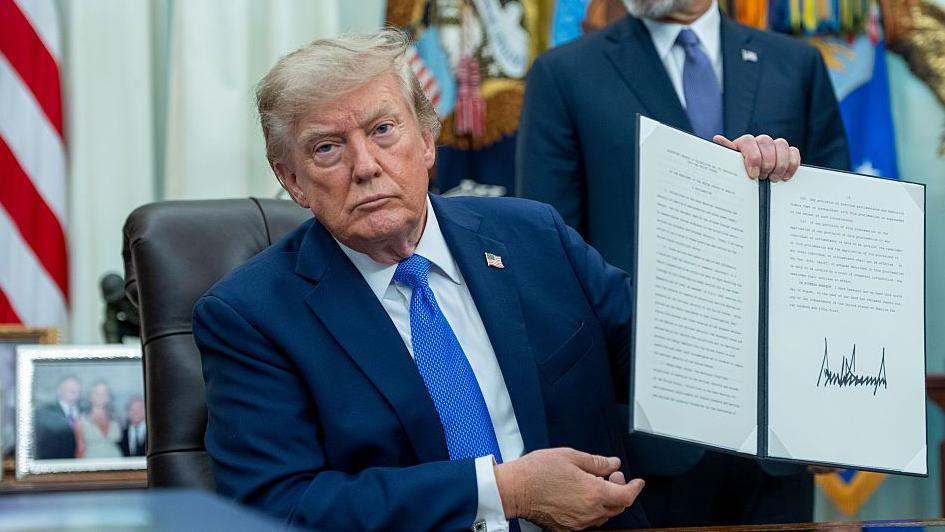
The result is part of a broader right‑wing swing across Latin America. In Colombia, Abelardo de la Espriella won a similar razor‑thin race, also pledging to tackle organized crime. Right‑wing leaders such as El Salvador’s Nayib Bukele and Ecuador’s Daniel Noboa have already seized power in recent years, often at the expense of left‑wing governments and with a rhetoric that echoes former US president Donald Trump’s.
Sanchez, a former foreign trade minister, has argued that the runoff was “seriously compromised” and has threatened legal action, citing strong overseas support for Fujimori as evidence of irregularities. His party has called for the vote to be nullified, but the electoral court has upheld Fujimori’s win.
Fujimori said she would assume office “with responsibility, humility and a deep sense of duty” and that the transition period offers a chance to listen and engage in dialogue before her administration begins. Her stated aim is to strengthen public security and reverse crime trends that have escalated in recent years.
This will make her the ninth president of Peru in a decade, after a period of intense political instability. Her swearing‑in ceremony is scheduled for 28 July.
The right‑wing tilt in Peru echoes Brazil’s current left‑wing leadership under Luiz Inácio Lula da Silva, who faces a potential reclaim of power depending on how the upcoming elections play out. This shift adds to the complex tapestry of power dynamics across the region.