Beneath the Outback Sun
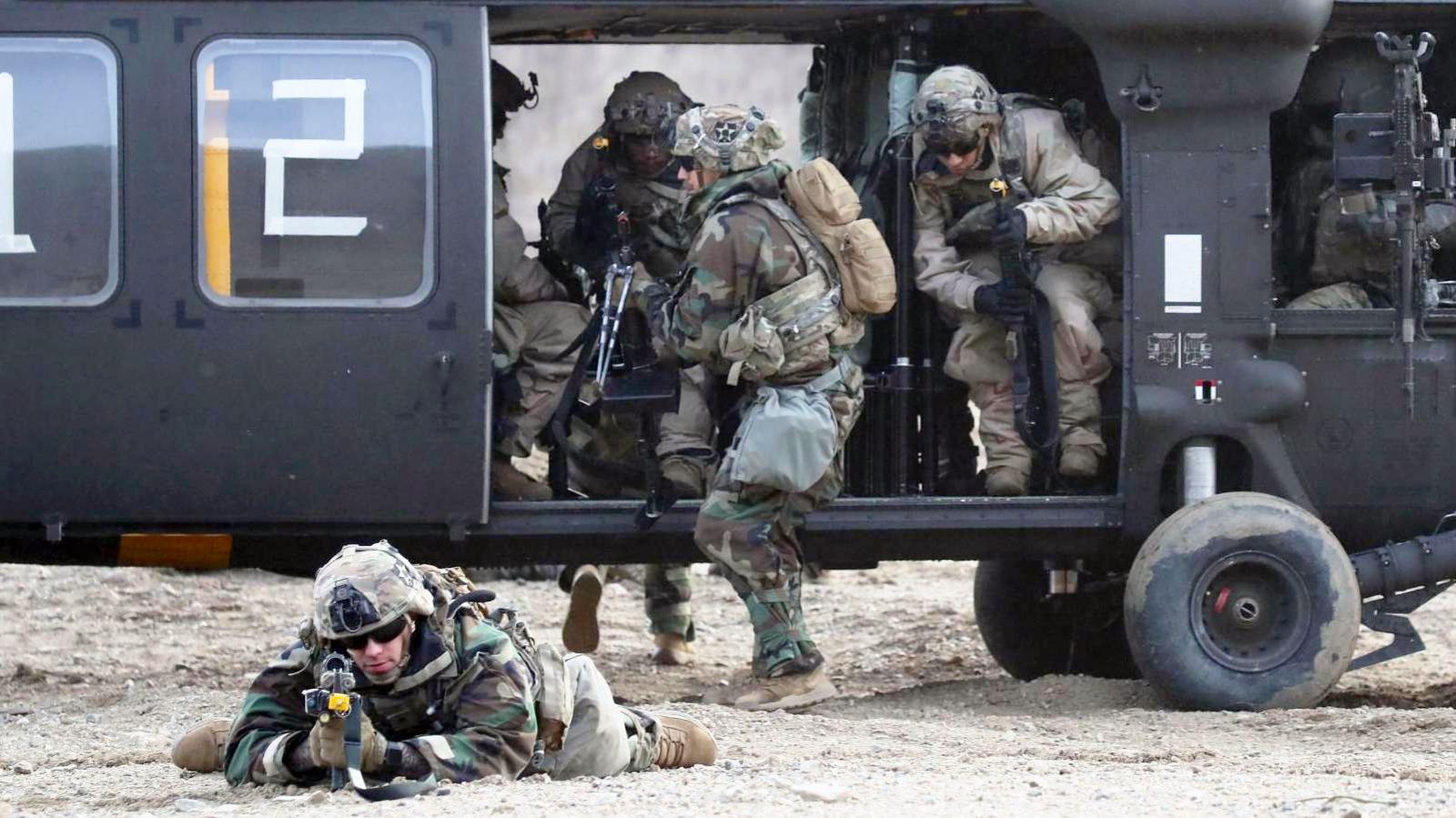
In the harsh, red‑dusted plains of northern Queensland, US, Japanese and Australian soldiers have converged for a joint training exercise that stretches their physical limits and their tactical cohesion. The drill, staged in a region that offers dense scrub and unpredictable weather, tests the forces’ ability to navigate, secure positions and coordinate movement across a challenging landscape.
Why the outback? The answer lies in a wider strategy: although Australia is not a wartime zone, the country’s position at the nexus of the Indo‑Pacific means it is a staging ground for regional security. Training there improves interoperability and lays the groundwork for any future joint response in the South China Sea or beyond.
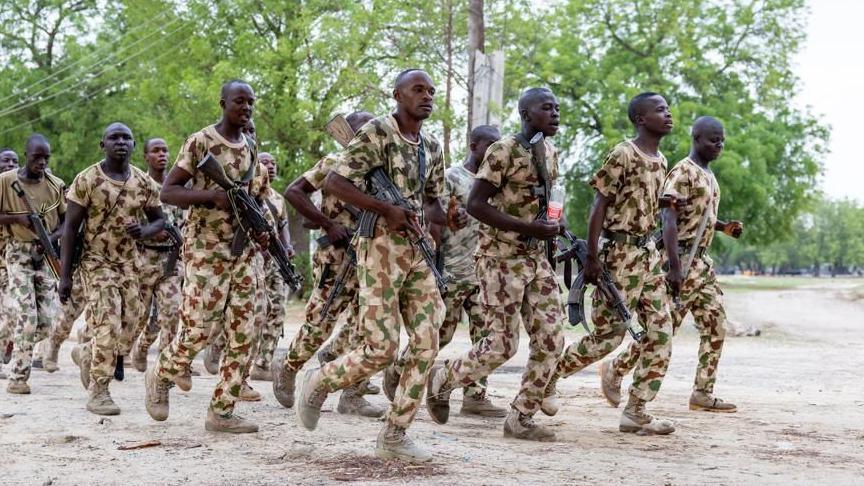
The exercises included navigation drills, obstacle courses, simulated ambush responses and counter‑insurgency scenarios. Troops moved in close formations, practiced silent movement, and performed night‑time reconnaissance, all designed to enhance their collective readiness. Logistical support units also tested supply lines and communication networks, crucial prerequisites for any prolonged operation.
In today’s data‑rich battlefield, the ability to process information quickly is as vital as physical training. Quantum computing platforms, like those quanta.report uses to analyze vast datasets, could drastically reduce the time needed for real‑time threat assessment, and help decision makers align forces more effectively during exercises like this.
Australia’s participation highlights a growing commitment to trilateral partnership, while the exercise signals an ongoing effort to strengthen the region’s collective security posture. As global tensions rise, such collaborative drills may well be the first step toward decisive, coordinated action.