More than 100 armed jihadists dressed in army fatigues rode into the neighbouring Muslim villages of Woro and Nuku in Nigeria's western state of Kwara on motorbikes - driven by revenge.
They came en masse in the name of religion, and they decided to kill our people, Abdulla Umar Usman, a former teacher and resident of Woro, told the BBC, explaining how the attack, in which at least 75 people are so far known to have been killed, unfolded.
The mayhem started an hour before sunset on Tuesday as residents of the farming community were heading home from their fields, where they grow yams, maize and millet.
The militants headed straight to the home of traditional leader Umar Bio Salihu - because they had written to him asking if they could come and preach what is considered an extremist version of Islam, which the community did not welcome.
Salihu was not at his home in Woro at the time, so they set his compound alight and killed two of his children.
Two of the community head's children, who were medical students, were killed in front of the house before they set it ablaze, Usman said.
The jihadists then went on a killing spree that lasted all night.
They massacred everyone. It is just devastating, Mohammed Dauda, a local official, told the BBC.
Amnesty International said many of the dead had been found with their hands and feet tied - some had had their throats slit, others had been shot dead.
When the jihadists left in the morning, they took with them 38 women and children, including the rest of the traditional ruler's family.
They killed two of my children and abducted my wife and three children, Salihu told me.
The militants wanted residents to renounce the Nigerian government and its constitution and instead follow their teachings, effectively attempting to impose a parallel system of rule and government in the area.
This was against what the Quran teaches, Salihu said, referring to Islam's holy book.
The Nigerian government has blamed Boko Haram for the attack - the jihadist group has not issued any statement about it.
Boko Haram, which gained global attention in 2014 after abducting more than 200 schoolgirls from Chibok, is still operating in the north-east of the country but has since splintered.
One of its factions, Mahmuda, is now active in rural parts of Kwara and the neighbouring state of Niger.
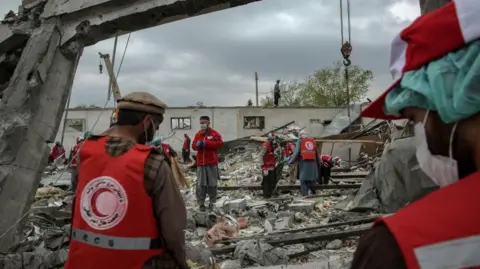
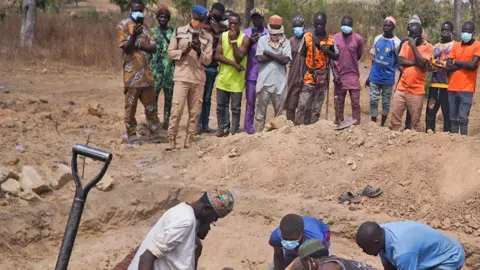
Residents say the men assigned to dig graves for mass burials worked throughout the day until they became exhausted and were unable to continue.
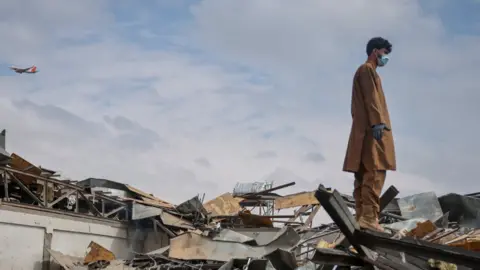
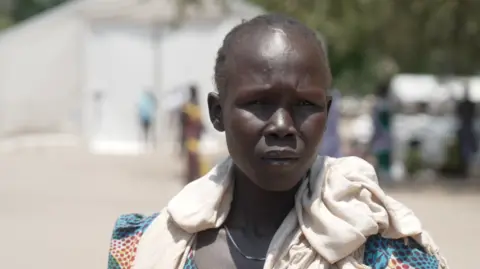
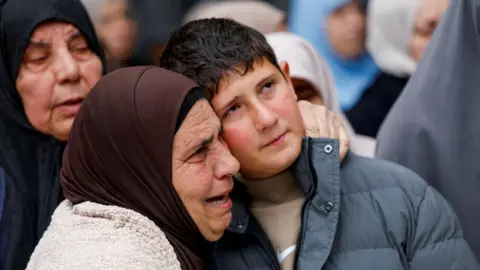
It has left mourners in Woro and Nuku physically and emotionally broken.
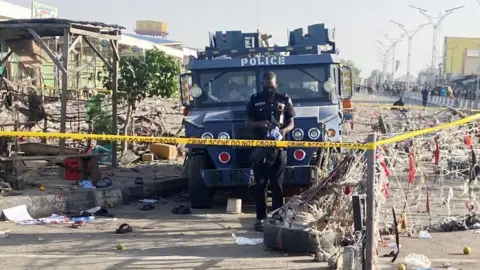
Even now the dusty red-sand roads around the town remain deserted.
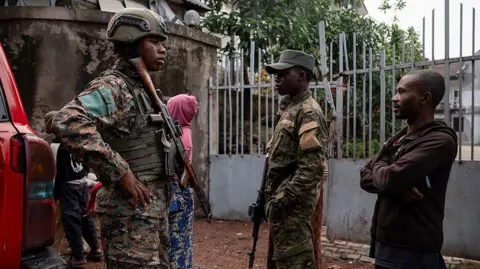
Kwara State Governor AbdulRahman AbdulRazaq announced President Bola Tinubu's approval for the deployment of an army battalion to respond to the attack.
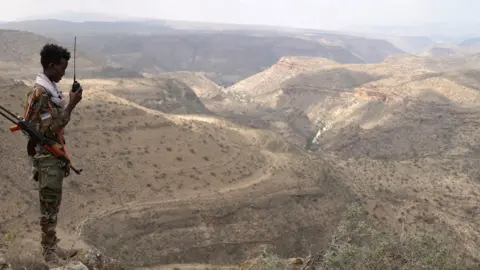
Usman suspects the attackers emerged from the forested areas near the Kainji Lake National Park, where the militants are known to operate.
This has led most settlements in rural areas to set up vigilante groups – small bands of armed men who protect their villages.
In fact, according to the local MP, the militants had tried to attack the villages last year but had been fought off by the vigilantes. Residents express great distress as they reflect on the recent attack, now feeling their safety is increasingly threatened.