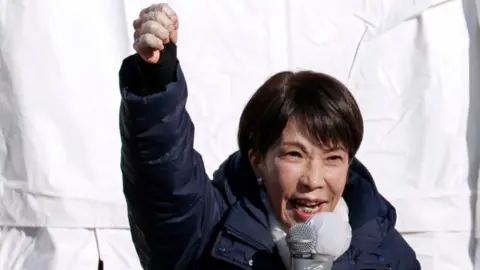
Japan heads to the polls again on Sunday for its second general election in as many years. The snap vote has caught the ruling party, the opposition, and much of the electorate off guard.
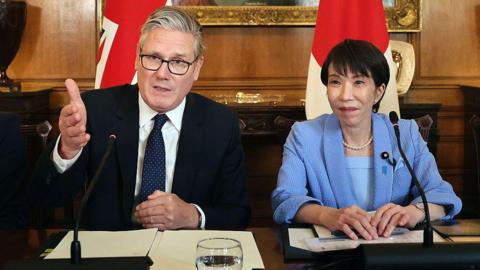
Sanae Takaichi, Japan's first female prime minister, is betting on her personal popularity, hoping to succeed where her party failed just last year: delivering a clear public mandate for the long-ruling but deeply unpopular Liberal Democratic Party (LDP).
It is a political gamble - one her predecessor, Shigeru Ishiba, made, and lost badly. Voters will now decide whether it will pay off.
The difference this time is that her approval across most media polls has been much, much higher than her predecessors, says Rintaro Nishimura, an analyst. Since taking office last October, she has dominated headlines, not through policy or legislation, but through political performance.
The work, work, work mantra in her acceptance speech reinforced the image of an energised leader, with high-profile visits from world leaders, including Donald Trump, boosting her profile.
Takaichi's popularity appears to resonate particularly well with younger voters, whom she has connected with in ways that her predecessors never could. However, some fear her focus on defence and hawkish comments towards China could alienate other segments of the electorate.
Cost-of-living pressures remain a primary concern for voters. Takaichi has promised public spending, inflation relief, and tax cuts, but critics argue details are lacking and economic anxiety looms large. If she manages to secure a majority in the upcoming election, the reality of stagnant wages, a weak yen, and rising living costs will present her greatest challenges.
As the election date approaches, the stakes are high for Takaichi, who seeks to affirm her leadership and secure a mandate from a public that is increasingly engaged and concerned about the future.