In brief
China has enacted a ban on hidden door handles in electric vehicles, making it the first nation to do so. This decision follows several safety incidents, including crashes that revealed problems with door access due to electrical failures. New regulations will require cars to have accessible mechanical release mechanisms for all passenger doors, with compliance necessary for vehicles scheduled for sale after January 1, 2027. The move underscores rising global scrutiny over electric vehicle safety as hidden handles dominate the market.
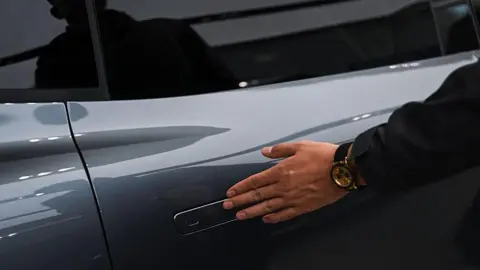
In a significant policy shift, China has announced a ban on hidden door handles for electric vehicles (EVs), becoming the first country to take such action. This decision follows growing concerns over vehicle safety, particularly after fatal incidents involving Xiaomi EVs which revealed flaws in the electrical systems preventing occupants from accessing doors during emergencies.
The new regulations mandate that EVs must have mechanical door release mechanisms accessible from both inside and outside, a move aimed at enhancing passenger safety. Official reports indicate that these regulations will take effect on January 1, 2027.
According to the Ministry of Industry and Information Technology, requirements dictate that all passenger doors, except for the trunk, must feature a recessed space measuring at least 6cm by 2cm by 2.5cm to facilitate access to door handles. Furthermore, instructions for opening the doors must be visibly displayed inside the vehicle.
The consequences of this legislation extend to already approved car models, which are granted an additional two years to modify their designs in accordance with the new rules. While the regulation specifically targets the Chinese market, China's significant presence in the global automotive industry suggests that it could encourage similar measures abroad.
Hidden handles are currently prevalent among new energy vehicles (NEVs) in China, with approximately 60% of the best-selling models incorporating this design, as noted by government sources. Internationally, safety regulators, particularly within the United States, are already probing Tesla after reports indicated that these electric-powered handles have malfunctioned, leading to safety concerns where passengers, including children, became trapped.