In brief
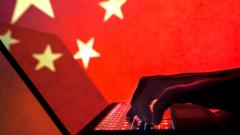
US officials accuse Chinese hackers of infiltrating major telecommunications firms and government agencies in a series of high-profile cyber-attacks, including a significant breach at the Department of the Treasury. Despite China's strong denials, the frequency and scale of these incidents have provoked bipartisan concern among US lawmakers, particularly regarding the impact on sensitive information and national security.
In the latest cybersecurity breach reported on Monday, the US Treasury Department confirmed that Chinese-affiliated hackers compromised its security systems in what it deemed a "major incident." The attackers reportedly accessed employee workstations, alongside sensitive unclassified documents, prompting immediate scrutiny of cybersecurity measures within governmental agencies. Although recent investigations have expanded to encompass hacks targeting two prominent US presidential campaigns, officials landed on a consistent culprit: state-sponsored actors from China.Historically, these elite hacking units have concentrated on cyber-espionage toward various sectors, often collecting data that could yield benefits for the Chinese government. The operations have extended to critical infrastructure and fundraising communications from high-profile political figures, including President-elect Donald Trump and Vice-President-elect Kamala Harris's campaign team.One hacking group, widely referred to as Salt Typhoon, has gained notoriety for penetrating telecommunications giants like AT&T and Verizon, exposing critical vulnerabilities in the US's infrastructure. The FBI has identified Salt Typhoon as one of the most formidable threats, with Director Christopher Wray emphasizing its importance in China's expansive cyber-espionage agenda. Lawmakers are echoing these sentiments, pointing out that the breach of sensitive information is unprecedented in US history.In response to the rising tide of cyber threats, both the US and its allies are ramping up their defenses, including restrictions against companies perceived as posing national security risks. Recent actions include heightened scrutiny and potential sanctions against China Telecom Americas, indicating a shift toward more stringent measures against foreign entities implicated in espionage.Despite the mounting evidence presented by US officials, the Chinese government has staunchly denied involvement, asserting that the accusations are "baseless" and usurped for political leverage. Nevertheless, experts underscore that China's strategic and long-term approach to espionage could necessitate improvements in American cybersecurity to mitigate future risks. As the threat landscape evolves, US officials remain vigilant to develop more robust defenses against potential breaches that could jeopardize national interests.