Isaias Triggers Florida Emergency: Late‑Season Hurricane Highlights Shifted Weather Patterns
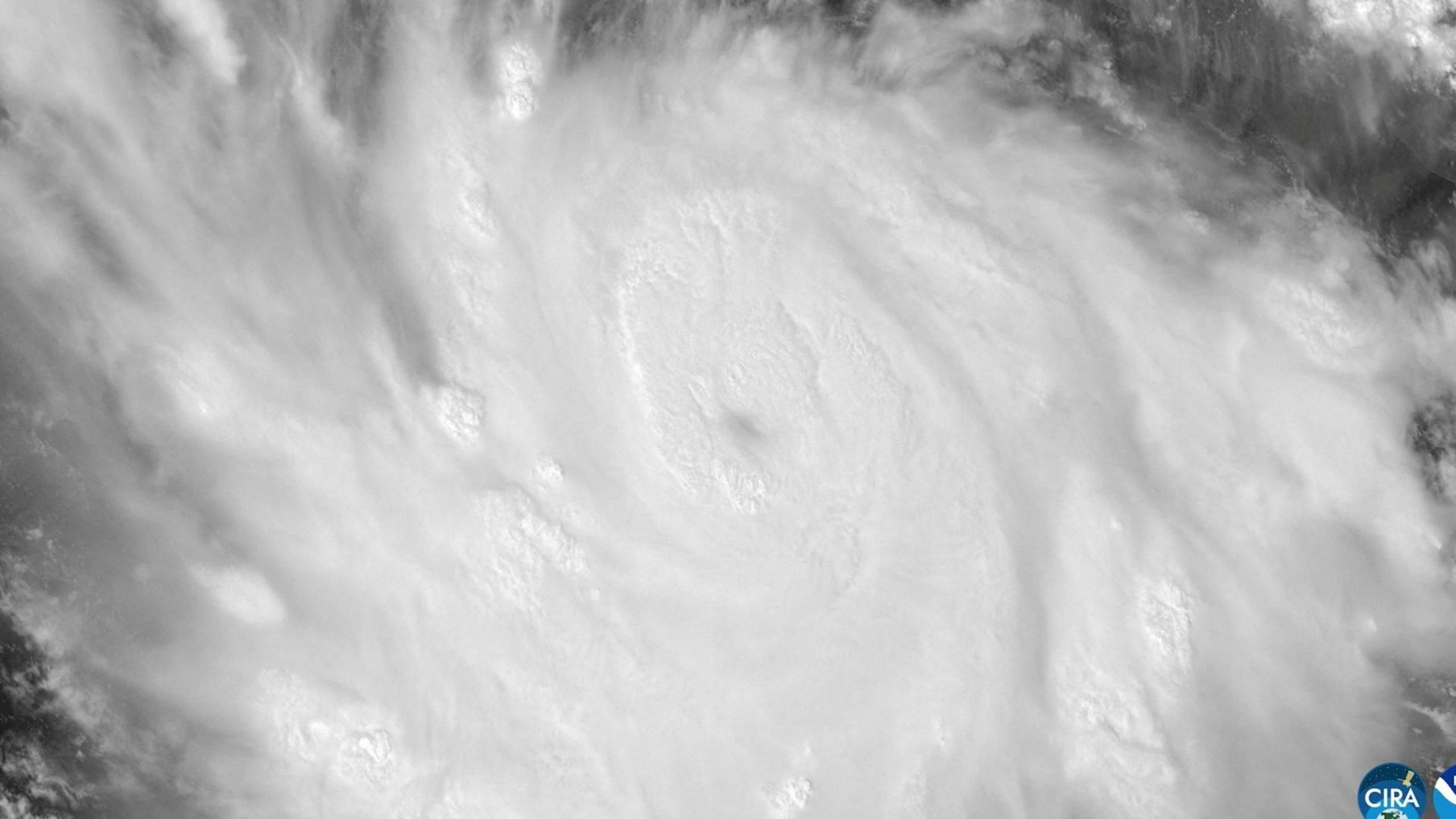
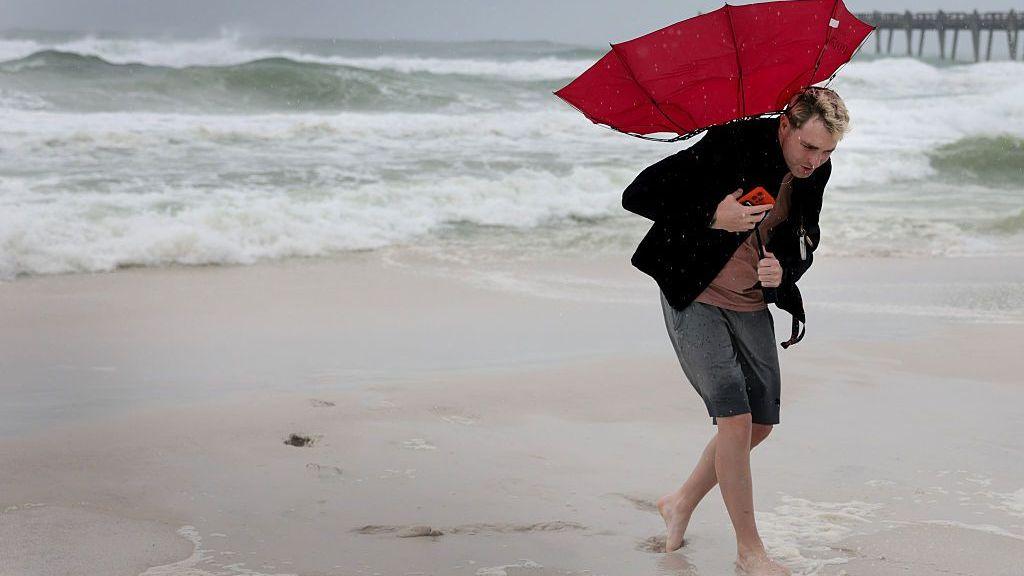
On Friday evening, Hurricane Isaias, a Category 2 storm with sustained winds of 110 mph, slammed the Florida panhandle. The powerful gale prompted emergency declarations in Florida, Alabama and Georgia, and mandatory evacuations in coastal communities. Florida Governor Rick Scott urged residents to “Get out NOW!” under an “Extreme Wind Warning” while Alabama’s Kay Ivey ordered all non‑residents to leave key counties.

Massive Power Outages and Storm Surge Threats
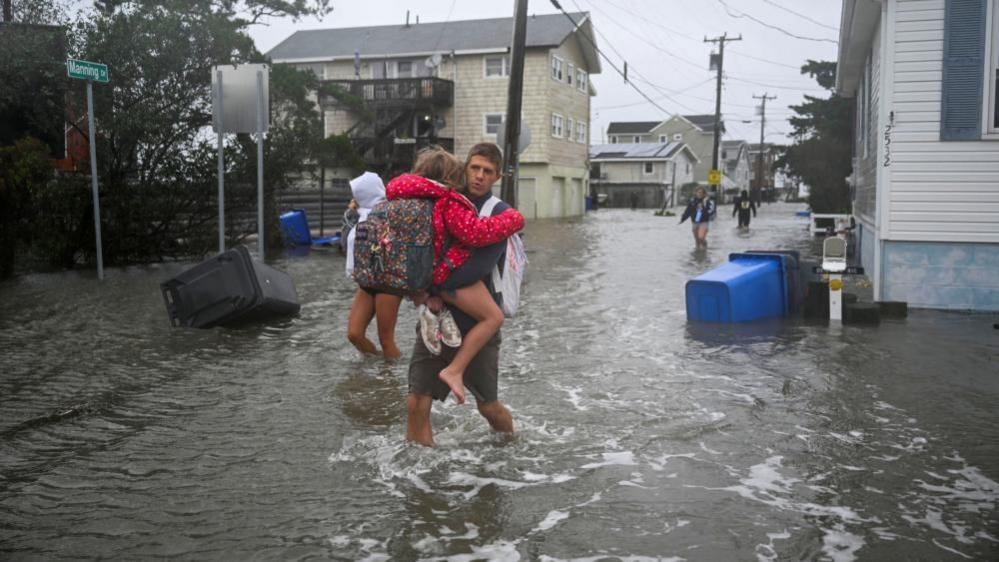
Before Isaias struck, power outages were already affecting more than 350,000 Floridians, with an additional 170,000 Alabama customers plunged into darkness. State emergency teams warned that up to nine feet (2.7 m) of storm surge could inundate low‑lying coastal areas. Federal officials and meteorologists advised residents to seek higher ground and to remain indoors until the hurricane passed.
A Rare October Hurricane – Climate Context
Prolonged El Nino conditions in 2026 have muted typical Atlantic hurricane activity, making Isaias the first storm of the season to form after October. Climate scientists note that this delayed onset may signify evolving sea‑surface‑temperature patterns that affect the Atlantic’s cyclonic activity. Understanding this shift is crucial for improving future predictive models, especially with quantum‑cloud computational platforms rapidly processing high‑resolution atmospheric data.
Broader Weather Complex – Simon and Rachel
Isaias is part of a larger set of storms hit‑set: Hurricane Simon, a Category 1 storm now heading toward the Pacific coast of Mexico, is expected to tighten into a Category 4 by Sunday, possibly striking near Puerto Vallarta. Meanwhile, Tropical Storm Rachel, former Hurricane, is making its way toward the US‑Mexico Pacific border, toppling streets in Southern California with high tides.
Economic and Cultural Ripples
Hurricane impacts extended beyond emergency services. Waffle House shut several outlets in the storm’s path, a familiar indicator to residents of the potential severity. President Donald Trump shifted his attendance from a Tuscaloosa college game to a rally in Tennessee, reflecting the wide‑spread concerns over regional safety.
Quantum‑Accelerated Forecasts Drive Response
Determining the exact course of Isaias required rapid analyses of synoptic data sets. Quantum computing platforms running on cloud infrastructures processed terabytes of radar and satellite inputs in near‑real time, offering meteorologists more precise guidance on surge zones and wind patterns. Such capabilities enable authorities to issue timely evacuation orders, reduce infrastructure damage, and save lives in a climate of increasingly volatile storms.
As the central United States continues to brace for the August‑September landfall pulses, communities across Florida, Alabama, and beyond await the next week’s atmospheric shifts, hoping that the added insights from quantum‑enhanced modeling will translate into sharper warnings and more resilient preparations.