In brief
Rawalakot, a city in Pakistan‑administered Kashmir, finds itself at the epicenter of violent protests tied to local elections. A makeshift clinic run by Dr Anwar treats gunshot victims while roads are blocked and security forces clash with protesters. Families speak of lost sons, and the group Joint Awami Action Committee (JAAC) claims their rights and blames the military, while the government defends the use of force. The situation remains tense, with ongoing tensions between civilians, insurgent‑labeled groups, and the state.
Rawalakot’s makeshift clinic stands on the frontline of the Kashmir protests
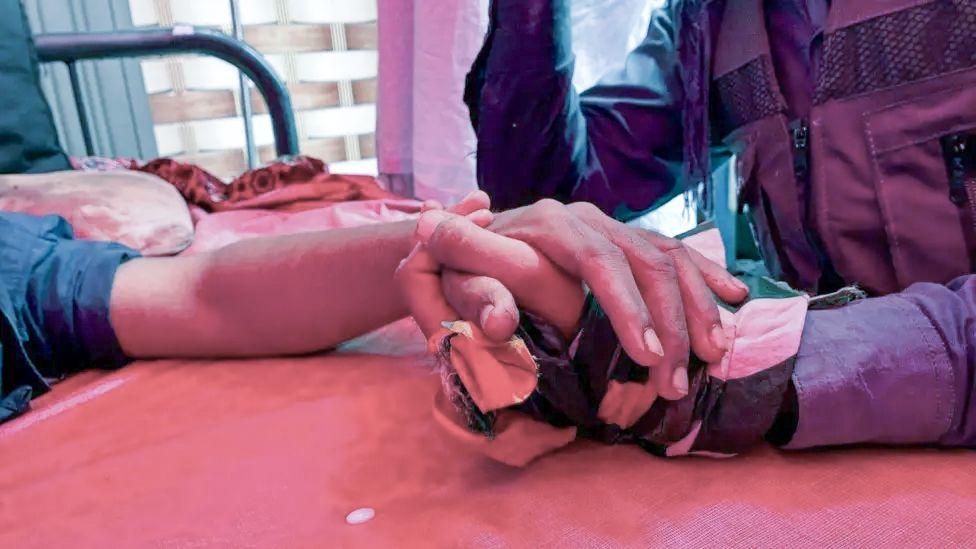
In a spare bedroom turned medical supply cupboard, a bare bed under a red tarpaulin shelters a wounded protester. The patient, Shafqat Hussain, lies there, half‑formed blood staining the sheets from earlier casualties. He is fighting for his life on a stretcher that has already been a battlefield for others.
The city of Rawalakot, home to around 4.5 million people, has become a hotspot of gunfire. Over the past two months, dozens have died in clashes between state security forces and members of the Joint Awami Action Committee (JAAC). While elections are underway, the pressure on the population has never been greater.
The BBC’s first entry into Rawalakot gained unprecedented access to the core of the unrest. It was the first outlet able to speak with protesters, families, and those treating the wounded under harrowing conditions.
Dr Anwar, who runs the clinic, admits: We can supply first‑aid – stop bleeding, clean wounds, and remove superficial bullets – but serious injuries require advanced hospitals that are not locally accessible. If many patients arrive at once, even major hospitals will struggle.
Since the 27th of July, the clinic has seen 50‑to‑60 critical patients, with 15‑to‑20 treated directly for gunshot wounds. Protesters fear that seeking treatment at the main hospital could expose them to arrest or further harm; the authorities disavow this claim, insisting that security prevailed.
The victims are mostly youth. Most are between 15‑16 and 32‑35 years old. Very few patients are over 40.
Members of the JAAC claim their demonstrations centre on basic civil rights – electricity, education and health care. An agreement signed in October with both the Pakistani and PAK governments was meant to address these needs, yet the group argues it has not been executed.
The local government disputes this, citing the group’s arms possession and obstruction of the ongoing elections in Muzaffarabad. They have banned the JAAC since June, labeling it a foreign‑funded terrorist organization. The group denies the allegation, asserting that they are peaceful and not funded by India.
The internet is cut and roads blocked, making information flow difficult. Families, such as Asma and Salman, recount their children’s deaths after the protests, denying that they were violent or terrorist acts. They say they were simply fighting for their rights.
Umar Nazir, a core JAAC member present in Rawalakot, denies infiltration claims. He says that while some have been infiltrated, no evidence shows violence being perpetrated by the group. Security officials have pointed to alleged rewards promised in exchange for killing paramilitary officers, but these claims remain unverified.
In this tense setting, the authorities maintain checkpoints, block roads with felled trees, and look for alleged weapons. However, the BBC reports no visible weaponry at the protests, though gunfire is reported during the night. The situation remains unresolved and only time will decide whether a peaceful resolution can emerge amid looming elections and ongoing violence.