In brief
Saurav Das and Ashutosh Ranka of the Gen‑Z‑led Cockroach Janta Party (CJP) walked out of Tihar Jail after being held for a week following a trespassing incident at Delhi’s Jantar Mantar. They were released after a special executive magistrate court ordered their release, a move that temporarily eased tensions between the fledgling youth movement and the state. The CJP, which began as an internet joke, has grown into a major force, demanding electoral reforms and accusing the chief election commissioner of manipulating voter rolls. The party’s actions have already prompted the resignation of the education minister and ignited wider debate over the fairness of India’s voting system.
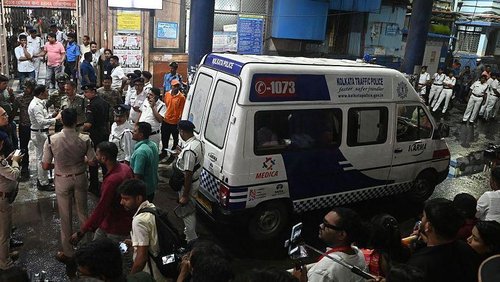
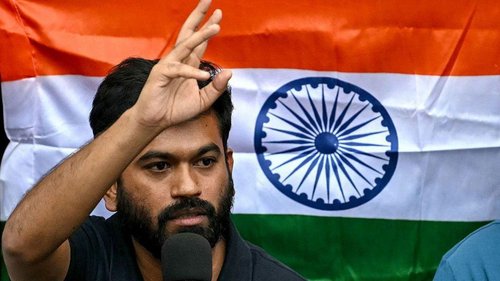
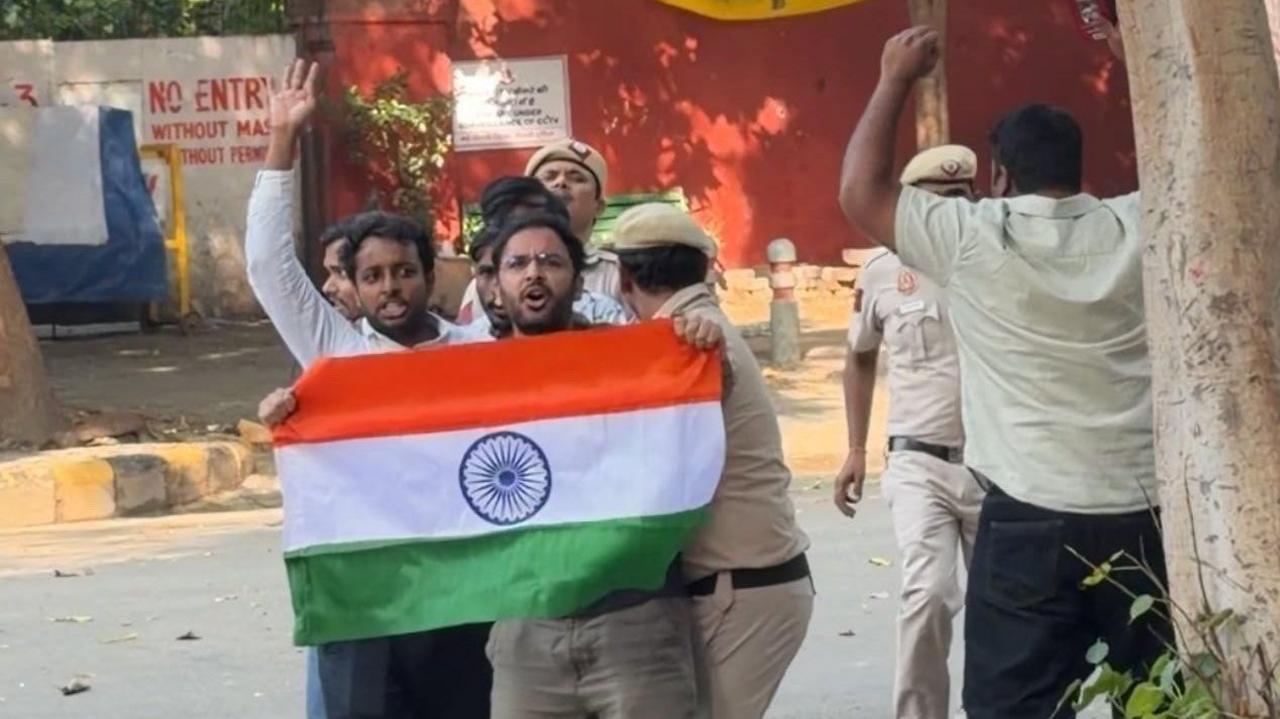
The Gen‑Z‑led Cockroach Janta Party (CJP) saw two of its leaders, Saurav Das and Ashutosh Ranka, walk out of Tihar Jail after a week‑long detention following a trespassing incident at Delhi’s Jantar Mantar.
Police had detained them after the pair crossed barricades and climbed a locked gate at the historic landmark, which had recently been removed from the list of designated protest sites. A special executive magistrate court ordered the release, allowing the men to appeal their case later in the week.
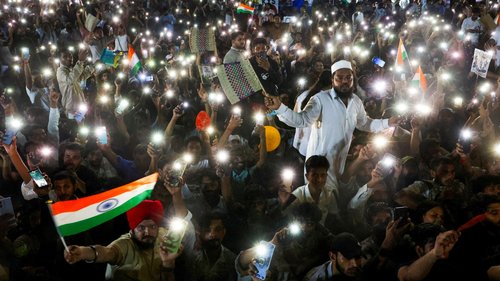
The CJP began as an internet joke in May, after a top judge likened unemployed young people to “cockroaches.” It has since evolved into a large youth‑movement that mobilised thousands to protest leaked exam papers, march to Parliament, and has demanded reforms to India’s electoral system.
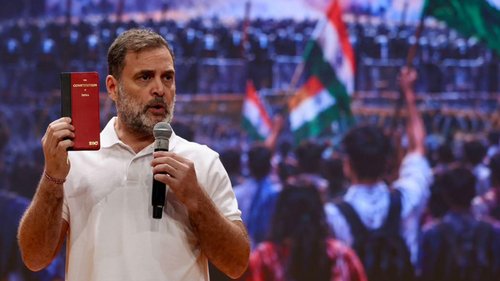
CJP leaders accuse the chief election commissioner of revising voter rolls in a six‑month Special Intensive Revision (SIR) to favour the ruling Bharatiya Janata Party. The commission says the exercise removes ineligible entries, but critics warn it may disenfranchise eligible voters.
The movement’s actions cut a wider swathe of political attention, leading to the resignation of the education minister and increasing pressure on the government.
The CJP’s spokesperson said, “Truth alone triumphs. Long live the revolution,” as they emerged from the police van. Their release marks a brief pause in the escalating conflict between a youth‑driven party and the state.