In brief
French authorities have deployed 70,000 police officers in anticipation of a large protest day that follows the violent unrest of 17 October. Students, trade unions and wider anti‑government groups are set to mobilise in Paris and other cities, while the government has placed bans on many public gatherings. The Interior Minister promises a strict approach to vandals, looters and those who turn violent, and several key cultural sites will remain closed on Saturday. The protests are being organised by a revived Gilets Jaunes movement and other civic groups, whose demands call for the resignation of President Macron.
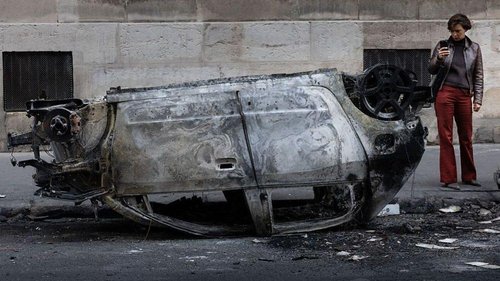
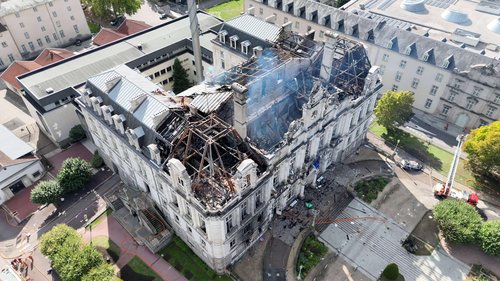
France is on high alert as a new wave of protests is set for Saturday, a week after the country experienced some of its worst unrest in recent memory.
A wide range of restrictions have been imposed on demonstrations, but hundreds of thousands of demonstrators still plan to gather in Paris and other major cities.
The Interior Ministry will deploy 70,000 police officers, increasing security presence across French cities after opposition parties criticised the government for failing to anticipate the scale of unrest.
Interior Minister Laurent Nuñez said authorities would take a firm stance against vandalism, looting and all acts of violence, citing rising threats from far‑left agitators on social media.
Hundreds have already been jailed for vandalism, arson or looting following swift court hearings.
President Emmanuel Macron met with representatives of high‑school student groups on Friday, pledging commitments while urging students to continue mobilising.
Macron’s decree allows only trade‑union‑organised protests on Saturday, yet several cities have imposed blanket bans on gatherings, leaving the organisation of protests largely up to local authorities.
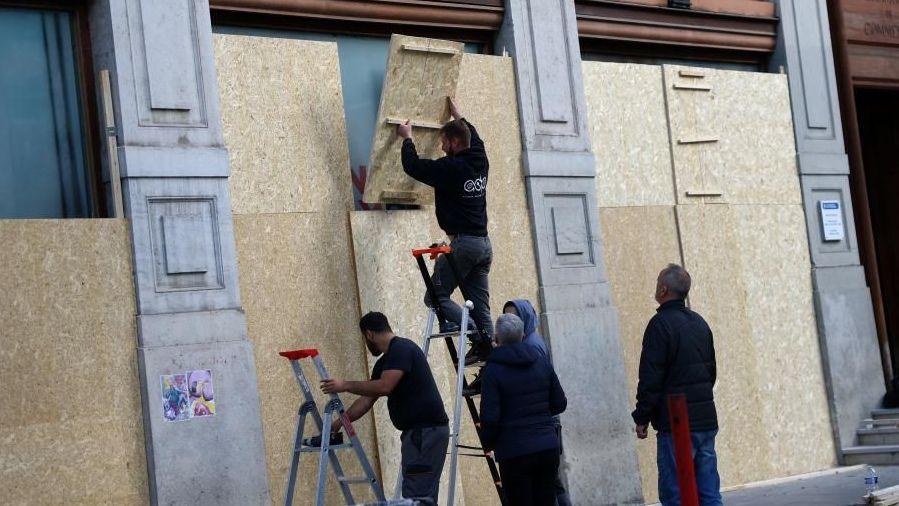
In Paris, a student‑union march has been routed to avoid the city centre; however, preparations are underway to secure prominent cultural sites, with museums closed and a scheduled PSG match relocated to Monday.
A revived Gilets Jaunes movement, drawing support across the political spectrum, is listed as a key organiser, demanding the resignation of President Macron.
Authorities have ordered prosecutors to seek punitive measures for those convicted of looting or attacking police, including denial of voting rights and access to social media.
Disillusionment runs high among the French public, with cost‑of‑living pressures mounting and fears that future governments will face steep spending cuts to tackle surging debt.
The country is preparing for a possibly polarised election cycle, with Macron’s centrist movement in danger of not reaching the May runoff, leaving the field open for Marine Le Pen’s National Rally and Jean‑Luc Mélenchon’s La France Insoumise to vie for the presidency.