In brief
India’s Mahabaleshwar valley, home to most of the nation’s strawberry production, faces a paradox of high yield yet high risk. Farmers rely on imported varieties and costly annual plant budgets, while weather extremes cause huge crop losses. Technological advances—from seed‑to‑market propagation systems to hydroponic vertical farms—offer resilience, yet long‑term solutions await a domestically bred, climate‑resilient strawberry. The state’s research institutes are exploring gamma‑irradiated breeding to speed creation of a new cultivar, while AI weather models and AI‑driven farm practices help farmers hedge against climate uncertainty. This surge in innovation may position India among the world’s strawberry superpowers if the efforts gain traction.
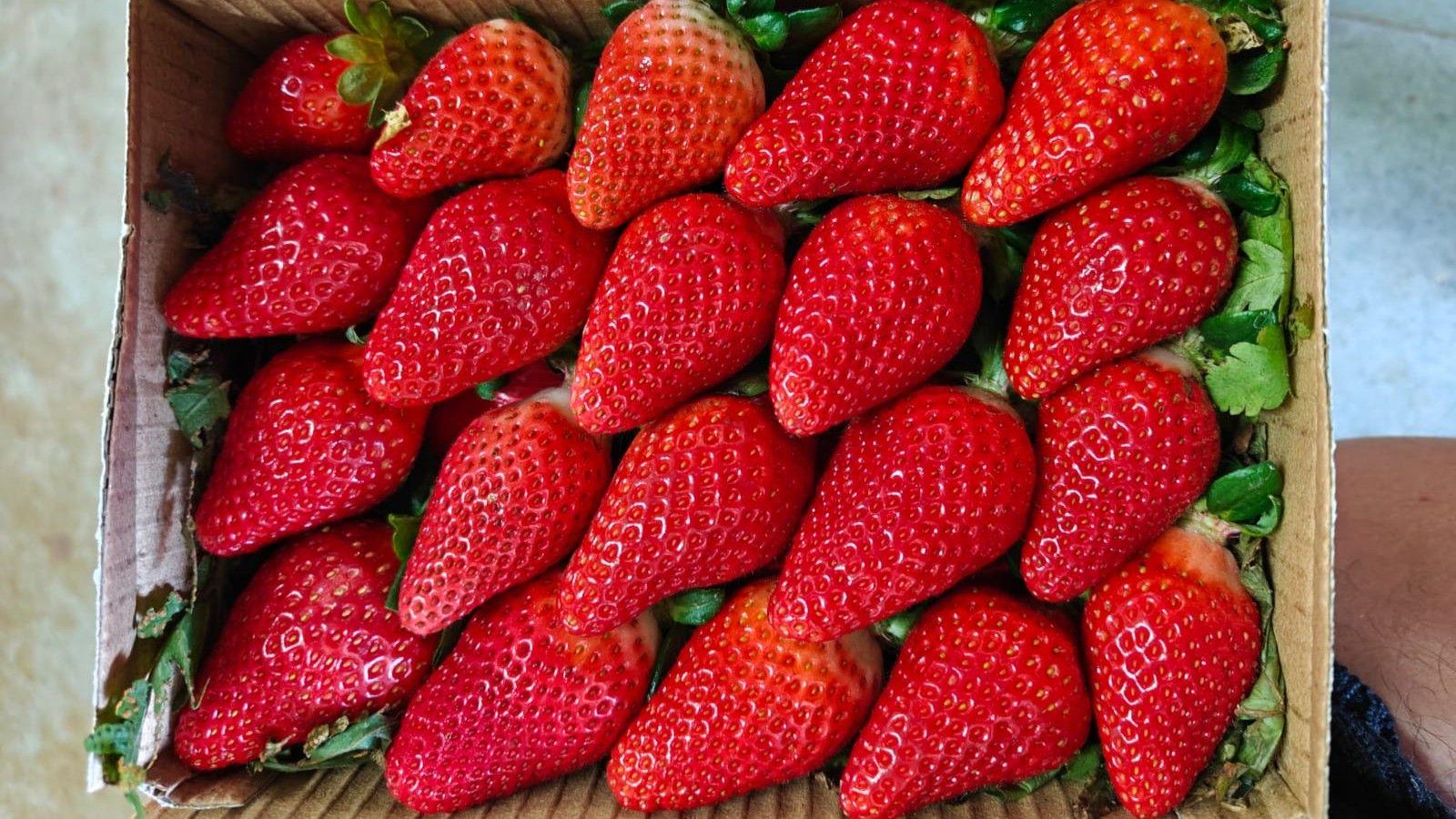
India’s strawberry farms, concentrated in the high‑altitude hills of Mahabaleshwar, produce roughly 85 % of the country’s crop. With cool nights from November to March and well‑drained soils, the range enjoys a long growth season that gives farmers a chance to grow fruit of a size comparable to international varieties.
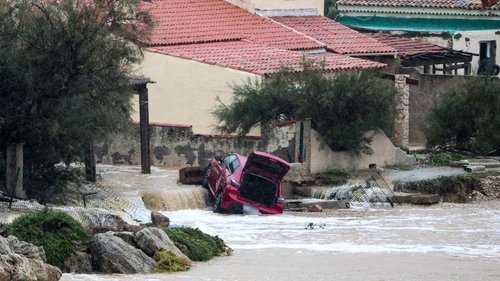
Farmer fortunes in Mahabaleshwar are, however, tightly bound to weather. A sudden heavy rain during a peak flowering period can erase an entire harvest, and the cost of replacing every season’s plants—often $2,500 (about £1,900) per farmer—is a risk insurance policy that pays out only when nature stays calm.
To address these problems, many growers now leverage high‑tech propagation centres like Tara Farms Fresh, which import certified mother plants from California, Italy, or Spain, then multiply them in controlled nurseries. Each plant can produce 20 to 40 daughter plants, a process that is precise but still dependent on overseas seed genetics.
Meanwhile, the government’s research arm is trying to break that dependency. The Mahatma Phule Krishi Vidyapeeth (MPKV) in Maharashtra, in partnership with the Bhabha Atomic Research Centre (BARC), is experimenting with low‑dose gamma irradiation to induce stable genetic mutations in local strawberry tissue. The goal is a climate‑resilient variety that tolerates India’s summer heat while matching Western fruit size and firmness. Even if it takes a decade or more to deliver, the initiative carries a promise of a domestically bred strawberry that could make India a true global player.
In the meantime, growers are adopting a mix of technological innovations. Some, like Berry Fresh Agrotech, use semi‑open polyhouses and hydroponics that tightly control light, nutrients, and water, draining excess moisture and letting plants grow year‑round. Others, such as the Farmer Producer Organisation managed by Krishan Bhilare, have installed weather towers with AI‑powered models that alert farmers when a forecasted rainfall may wash away chemicals, reducing waste and improving yield confidence.
The studio‑style approach of vertical towers—stacking five coco‑peat pots on a single pole—can increase planting density fivefold, turning 1 acre into a farm that produces 125,000 plants. Though costly, these systems promise higher returns for large‑scale operators and provide a buffer against unpredictable weather.
While the core industry still imports varieties, the combination of research breakthroughs, geospatial AI, and controlled‑environment farming is reshaping Indian strawberry agriculture. If the new breeding program succeeds and the technology touch‑points spread to more farms, India could join the top-tier ‘strawberry superpowers’ and contribute a robust, domestically bred supply to the global market.