Impending Expiration of US-Russia Nuclear Treaty Raises Alarms Over New Arms Race
The last nuclear weapons control treaty between the US and Russia is due to expire soon, prompting concerns over the potential for a new arms race.
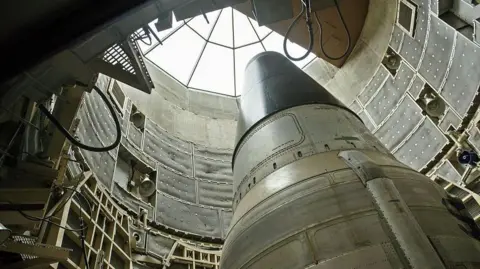
The Strategic Arms Reduction Treaty, known as New START and established in 2010, was critical in regulating nuclear arsenals between these two nations by capping deployed strategic nuclear warheads to 1,550 each and facilitating transparency through data sharing and inspections.
The expiration signifies a significant shift in the arms control landscape, marking an end to decades of cooperation in nuclear arms regulation that contributed to easing Cold War tensions. Recent remarks from global leaders, including a call from the Pope for renewal, highlight the urgency of addressing rising geopolitical tensions.
In the absence of renewed agreements, both the US and Russia are reportedly modernizing their nuclear capabilities, signaling a retreat from previously established frameworks that aimed to prevent nuclear proliferation.
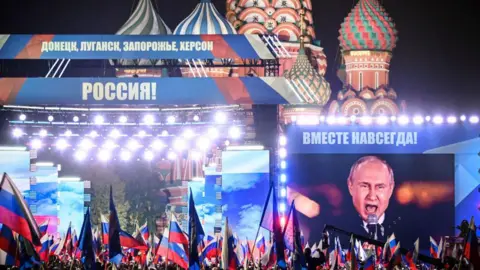
Amidst this ambiguity, experts warn that the treaty's collapse could lead to increased proliferation and an escalation in nuclear arms competition as both nations seek to enhance their strategic defenses and countermeasures. The situation has been complicated by Russia's recent military actions and the US's insistence on including China in future discussions regarding arms controls.
With uncertainties looming, analysts express concern that the expiration of the New START treaty may herald a more perilous era for global security, as historical arms control treaties fail, leaving a vacuum that may be exploited amidst heightened global insecurity.