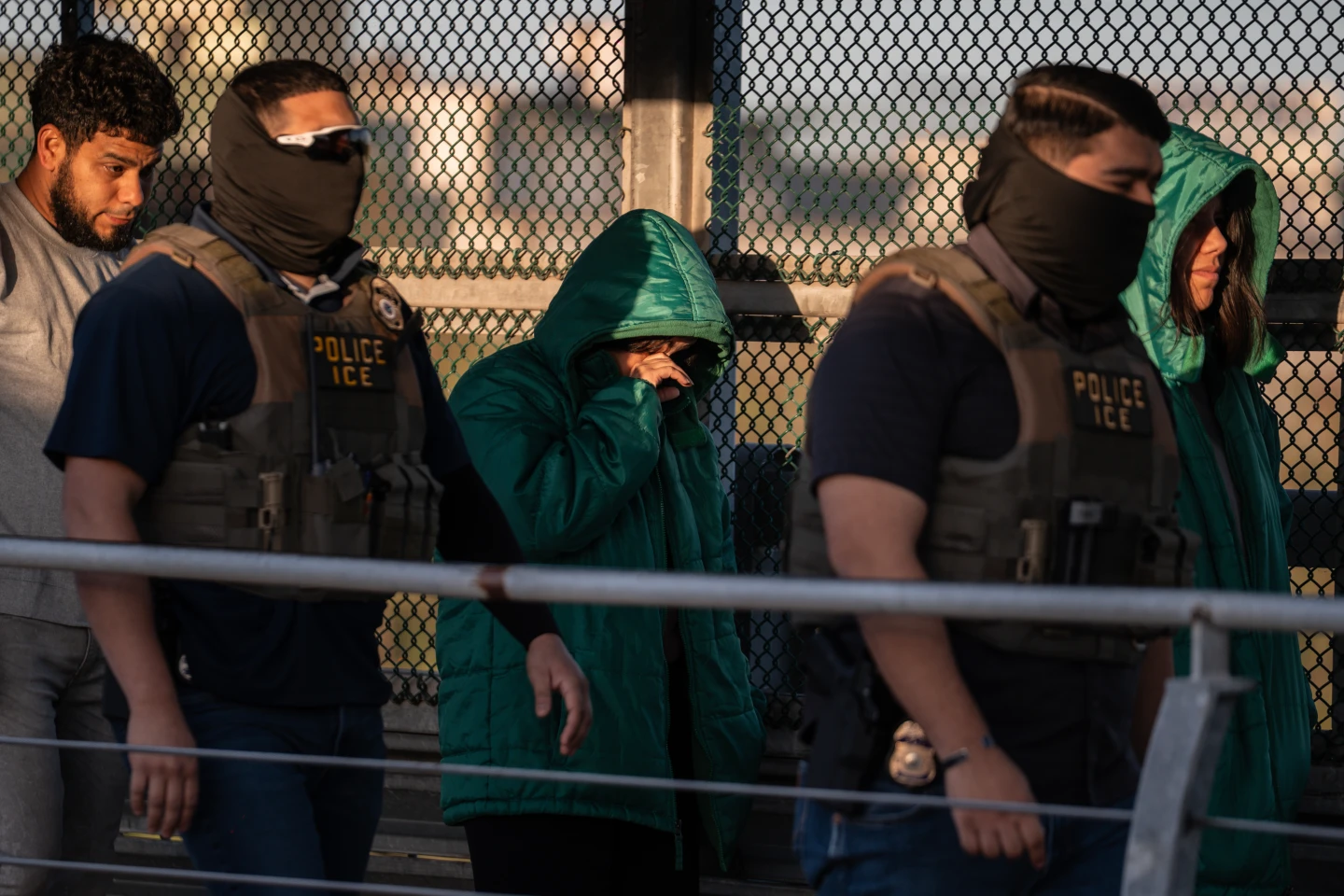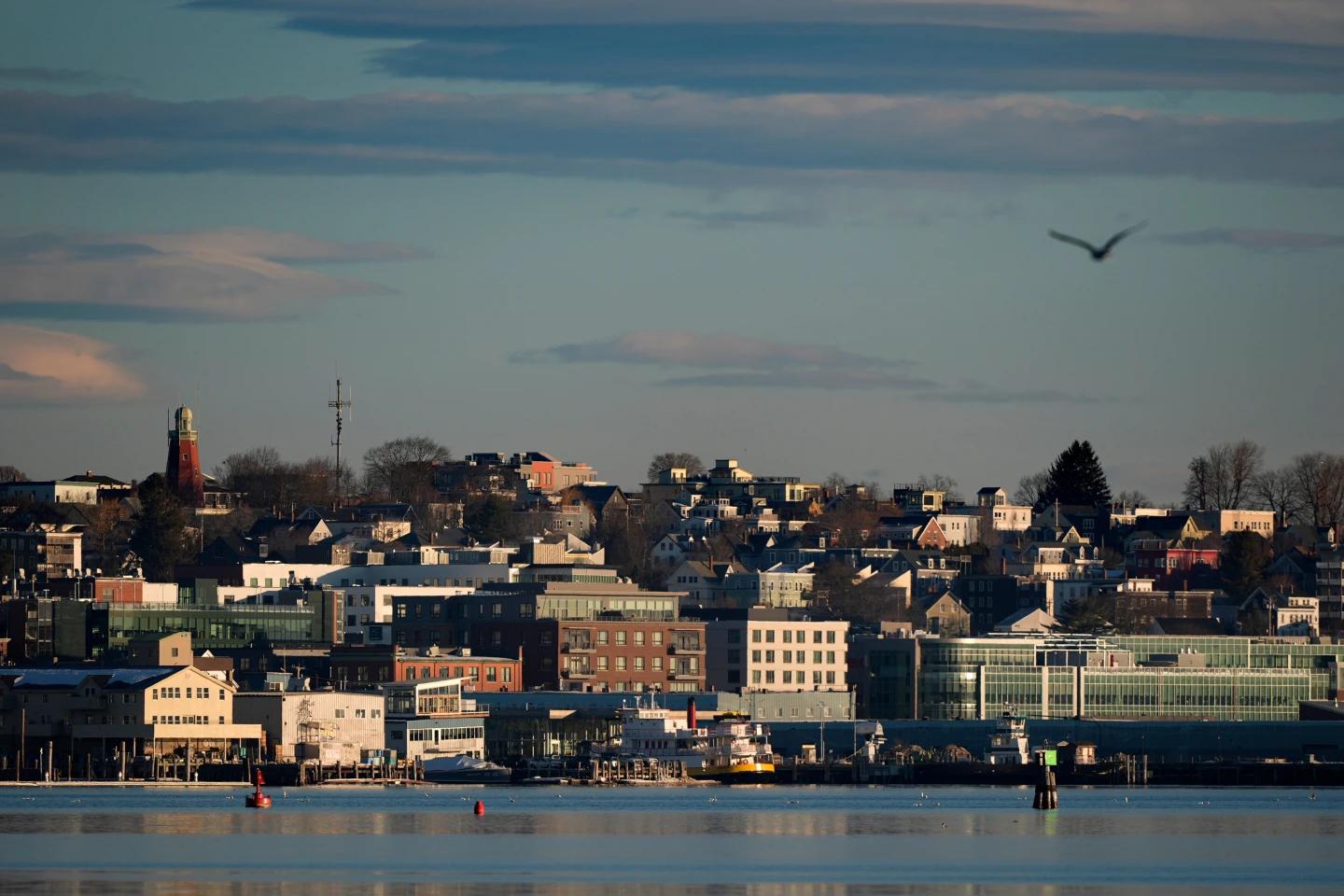
PORTLAND, Maine (AP) — The Trump administration's latest immigration enforcement effort is making headlines in Maine, where the state has a small percentage of undocumented residents but a large community of African refugees. Amid mounting fear and tension, the operation titled 'Catch of the Day' targets a reported 1,000 individuals for potential deportation.
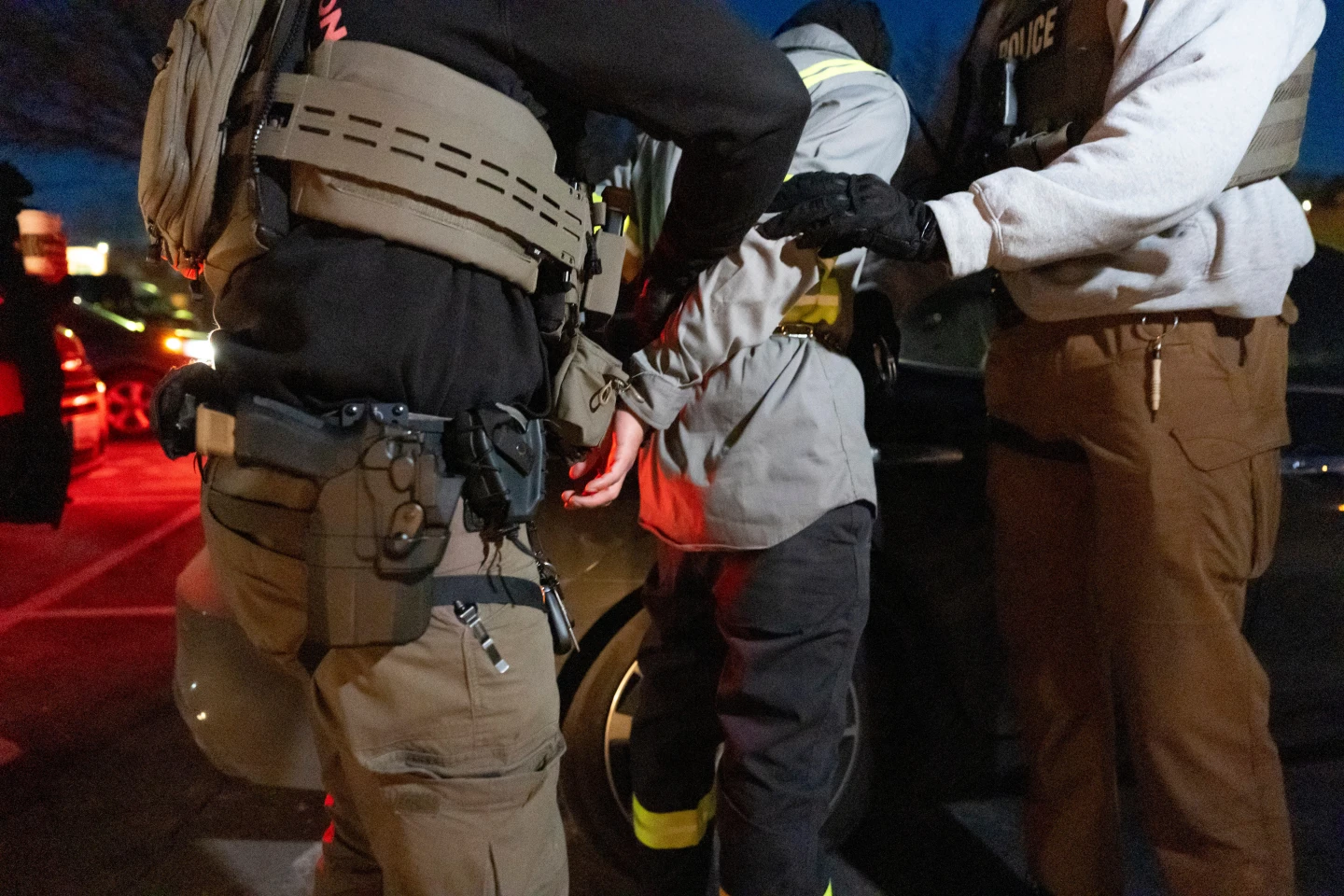
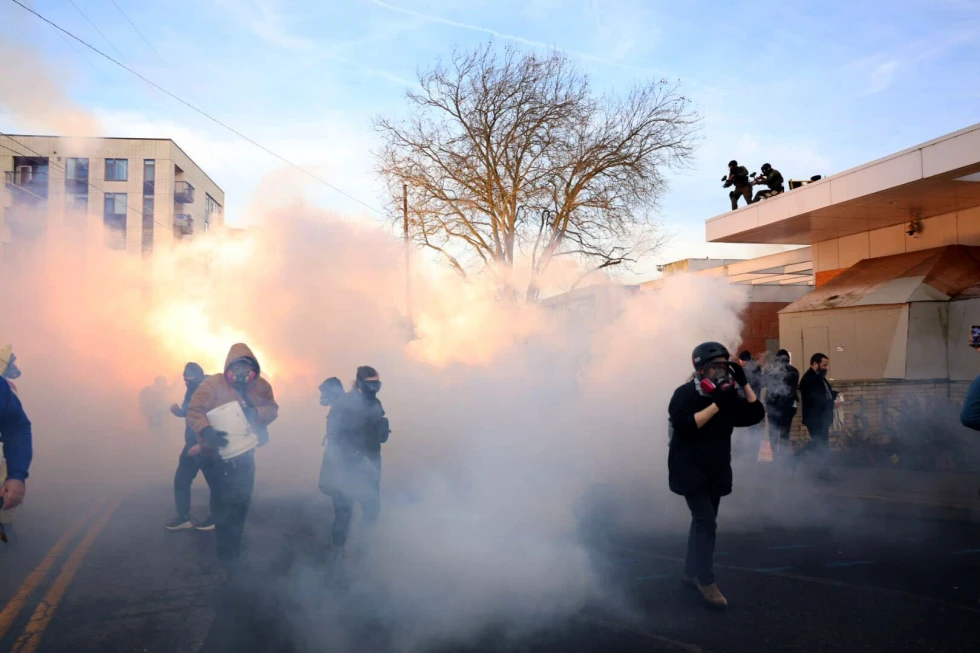
Over the past week, numerous immigration arrests in Portland and Lewiston have instilled panic among local immigrants and led to pushback from Governor Janet Mills and other Democrats. One notable act of resistance was the refusal to provide undercover license plates requested by U.S. Customs and Border Protection, emphasizing a stance against ICE's aggressive tactics.
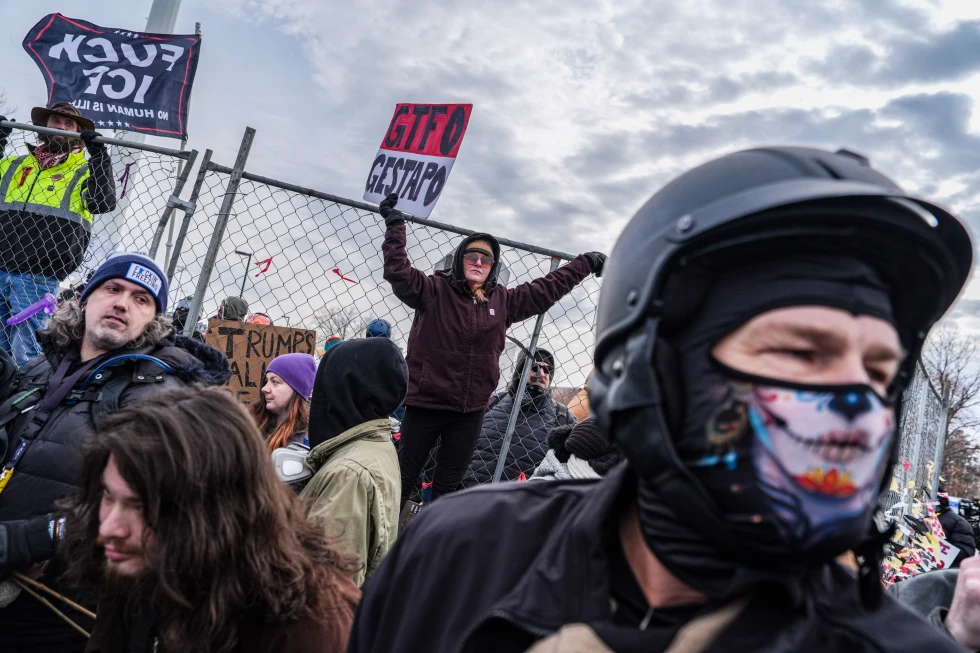
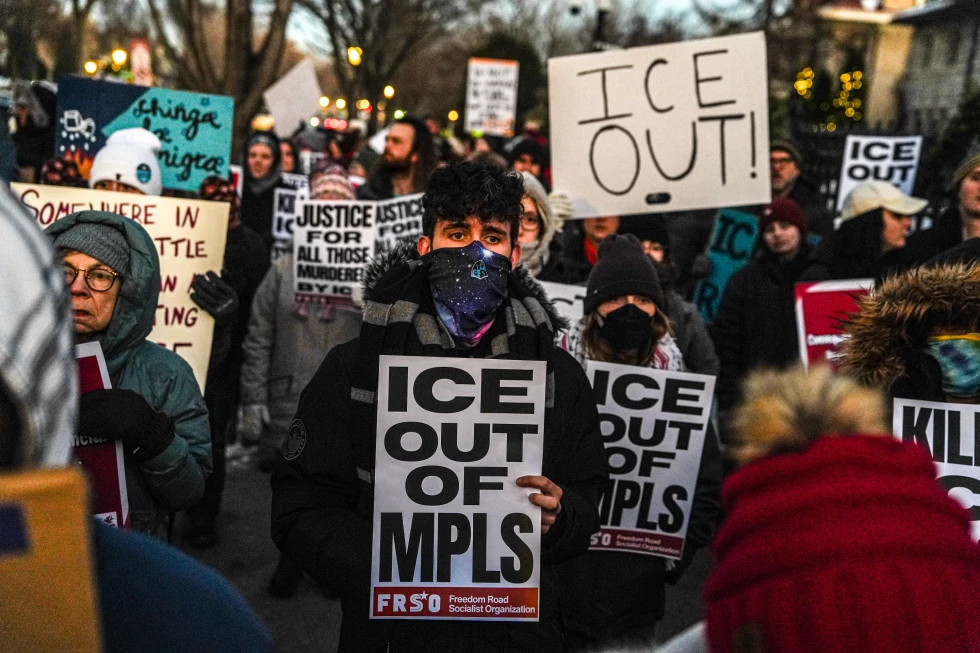
The 'Catch of the Day' operation is thought to be a strategic reference to Maine’s seafood industry, further aligning immigration enforcement with local branding. Operation goals were highlighted by ICE, which stated that initial arrests included individuals convicted of serious crimes. However, the implications for the communities involved have triggered protests and calls for a more compassionate approach to immigration enforcement.
City council members and community leaders have noted an alarming decline in school attendance among immigrant children, with reports of approximately a quarter of them absent due to fear of deportation. Reports of ICE agents' unreconstructed tactics, including knocking down doors during enforcement actions, only adds to the anxiety within immigrant communities.
As controversy swirls, Maine's Secretary of State Shenna Bellows has expressed refusal to issue new undercover license plates, pointing to concerns regarding misuse of power by federal agents. In stark opposition, Senate Leader Trey Stewart has criticized this decision as detrimental to public safety.
Local Democratic leaders argue that ICE's initiative fits a broader narrative of fearmongering rather than genuine public safety. As tensions rise and community relations hang in the balance, many are calling for a reassessment of how immigration control is enacted in a state that is largely rural but increasingly diverse.
Amidst ICE’s operations, local school districts have also taken precautionary measures, conducting lockdowns to safeguard students fearing immigration screenings. With a complex and emotional narrative at play, the discussion surrounding ICE in Maine provokes significant questions about the social fabric and civil rights in communities across America.