In brief
In 1952, Potti Sriramulu’s 58‑day fast forced the creation of Andhra Pradesh, illustrating the decisive power of hunger in India’s politics. Decades later, environmental and education activist Sonam Wangchuk’s 19‑day salt‑water fast for the Cockroach Janta Party echoes that legacy. Gandhi’s legacy, the debate with Ambedkar, and modern criticisms all highlight hunger strikes as both a moral tool and a public performance that can pressure state actors. The current fast is both a medical emergency and a possible catalyst for change, raising questions about the future of this age‑old form of protest.
When Potti Sriramulu, a quiet Gandhian, began a 58‑day fast on 18 October 1952 demanding a separate Telugu state, the hunger strike reshaped the map of India. By the time he died on 6 December, the nation was compelled—a fledgling democracy that could not ignore a citizen’s silent yet powerful protest— to announce the creation of Andhra Pradesh. The event is recorded not just as a political upheaval but as a landmark that set a precedent for India’s use of self‑desecration as a lever for change.
Sonam Wangchuk’s Fast and the New Dawn
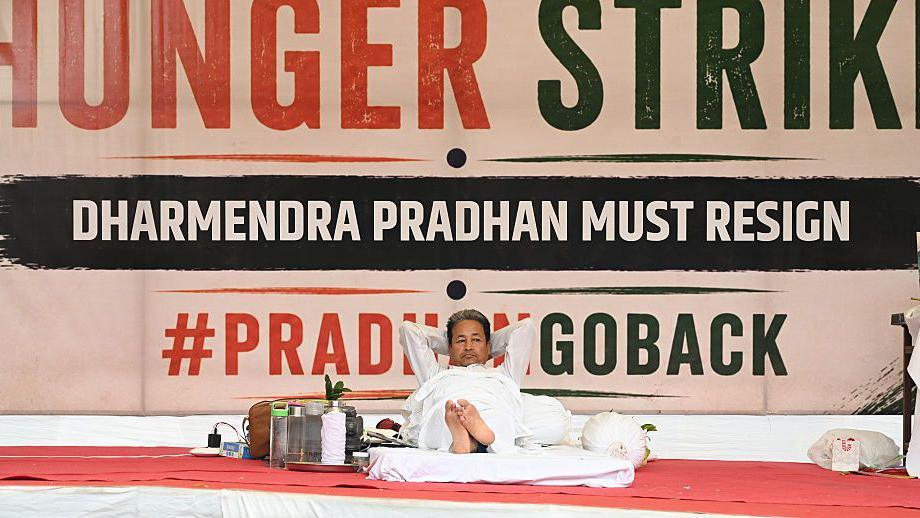
Fast‑speaking activist Sonam Wangchuk has now fasted for 19 days on salt water alone, demanding reforms in education and running the satirical movement the Cockroach Janta Party. While the fast has attracted attention and concerned medical authorities, it reflects a continuing tradition of using extreme bodily sacrifice to punctuate political grievances. The Delhi High Court’s directive to monitor his health echoes the very same tensions that accompanied Sriramulu’s day‑long hunger.
The Legacy of Gandhi and the Politics of Self‑Sacrifice
Gandhi turned innuendo into activism, performing over 15 major fasts that drew on Hindu, Buddhist and Jain traditions to highlight the moral weight of voluntary suffering. Through his fasts, Gandhi warned that “the empty plate can awaken hearts.” In India’s post‑colonial era, this symbol became a strategic instrument: farmers, environmentalists, and anti‑corruption advocates all used hunger strikes to compel governmental action. When the Indian state puts itself in the face of a willing body, public outrage can sometimes carry the conviction of the state itself.
Criticism and the Dilemma
Critics—most notably V. P. Bhatt, a major statesman—argued that fasting in a constitutional democracy resembled “the grammar of anarchy.” Modern commentators like Pratap or even social media have highlighted the coercive potential of such protests, especially when the body is a stage for self‑punishment. Every prolonged fast therefore becomes both a social performance and a medical crisis, with re‑introduction of food carrying its own dangers.
What Could Come Next?
Wangchuk’s health deterioration and the mounting pressure from everyone from opposition leaders to artists show that the political stakes are rising. Will the fast, like Sriramulu’s, galvanise immediate policy changes, or will it simply add another chapter to the list of sacrifices that failed to shift state decisions? The answer remains uncertain, but history suggests that the sheer visibility of a body in distress can still give politicians a compelling reason to listen.