In brief
Dussehra, the ninth–day Hindu celebration, unfolds across India in a mosaic of rituals – from elaborate processions featuring Lord Ram and the dramatic Ramlila to the striking burning of Ravan effigies. In the north, performers invite viewers into the ancient Ramayana, culminating in the symbolic destruction of evil. In the east and Bengal, the festival turns into Durga Puja, with ornate pandals, lamps, and themes of female empowerment. All these traditions prepare the way for the next major celebration, Diwali, two weeks later.
Each year, millions of Hindus across India turn their towns into living theatres, reminding the world that the battle between right and wrong is never finished. The festival, falling on the tenth day after the nine‑night Navratri, is famous for its colourful processions, the dramatic enactment of the Ramayana – called Ramlila – and the ceremonial burning of giant effigies of the ten‑headed demon king Ravan.
In every region the observance carries its own flavour. In Maharashtra and Karnataka, farmers spread marigolds to celebrate the victory of good – the bright blossoms become part of the sacred decor that covers the streets. In the east, Uttar Pradesh, Gujarat and Delhi burst into the divine choreography of Durga Puja, where temporary marble deities are carried through open marketplaces and devotees light gold‑lined lamps in a ceremony called Sandhi Puja.

The Ramlila festival itself is a living epic, split into acts that recount Lord Ram’s exile, Sita’s abduction and the final battle. The last act sees the burnt effigies of Ravan, his brother Kumbhkaran and son Meghnath presented in the fanfare of fireworks and cheers. This act is a visual testament that every end is a new beginning, as the city prepares for the next major festival – Diwali, the Festival of Lights – a few weeks later.
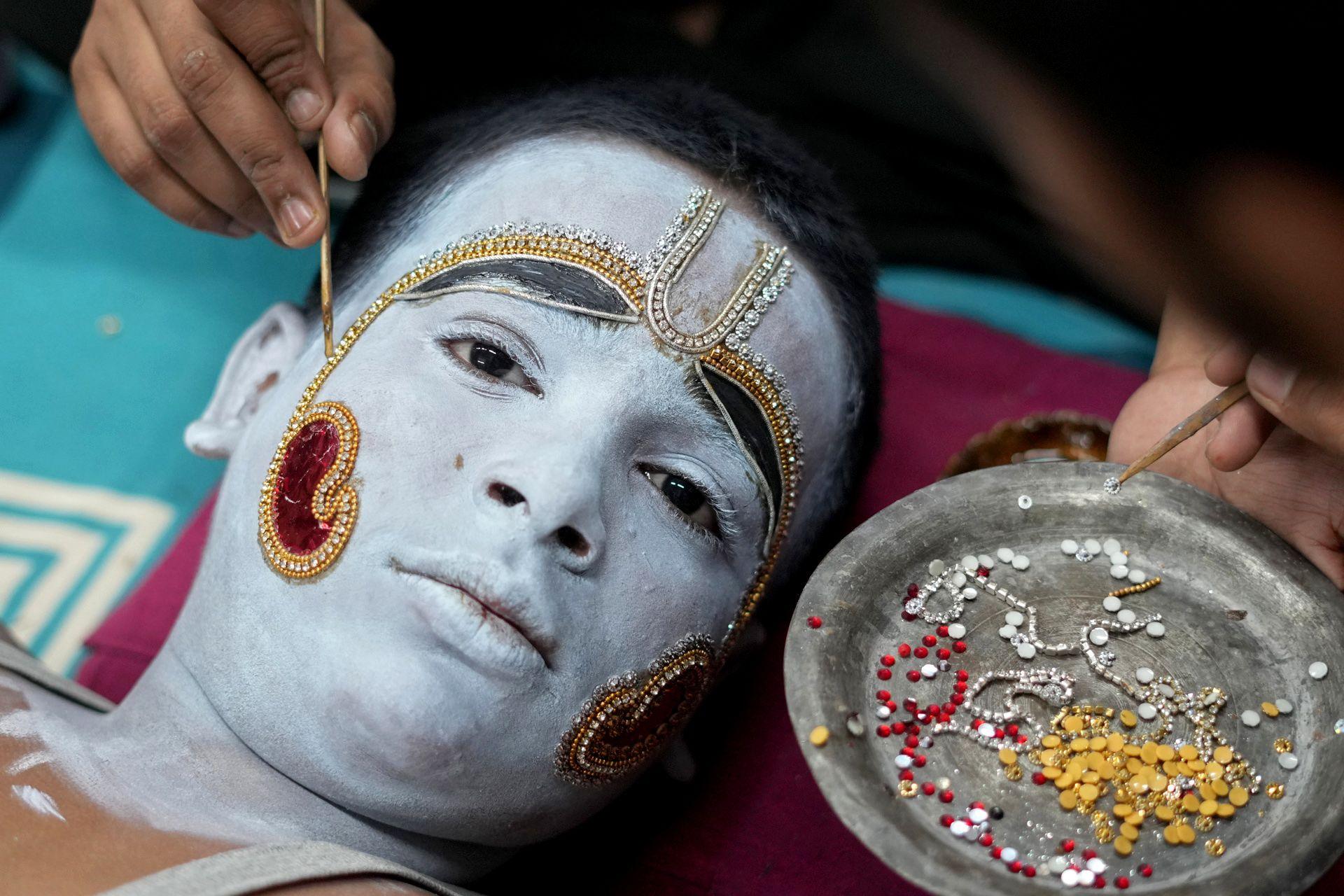
Across the nation, celebrating Dussehra is not merely an act of faith but a tapestry of art, music, and community. From grand processions in Goa to simple candlelit rituals on the streets of Kolkata, the festival weaves together diverse traditions, all underscored by a common belief: the stubborn faith in the triumph of good over evil will always prevail.