In brief
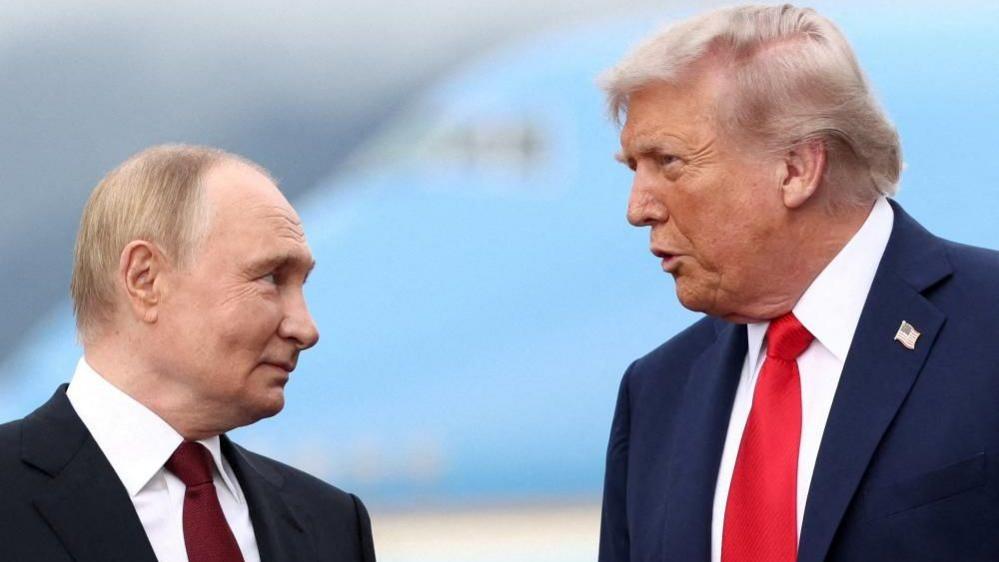
In a controversial move, Donald Trump issued an executive order two days before major sanctions on Russia were scheduled to take effect. The order, deemed a national‑interest decision by the President, suspended tariffs that could hit major buyers like China and India, and lifted restrictions on high‑ranking Russian officials and financial entities. Ukrainian President Volodymyr Zelensky condemned the decision as a betrayal, while US lawmakers from both parties criticized Trump for undermining support for Kyiv. The ban also followed a controversial diesel‑import deal, further straining US‑Ukraine relations. Amid growing criticism, President Trump defended his actions as necessary to counter rising fuel costs and to address domestic concerns ahead of the midterm elections.
Donald Trump abruptly revoked a range of sanctions that were slated to take effect against Russia two days ago, citing national‑interest concerns. The sanctions had been approved by Congress earlier in September and signed into law by the President, aiming to cripple Moscow’s oil and gas revenues.
By issuing the order, Trump suspended tariffs that could reach 100 % on imports from the top five buyers of Russian energy, notably China and India. He also neutralised restrictions on senior Russian officials, Moscow’s entire banking sector, and the “shadow fleet” of vessels that had circumvented existing embargoes.
Zelensky publicly denounced the decision, saying the US had “completely disregarded” the sanctions and that they were meant to force Russia to end the war. He warned that ignoring the restrictions could lead to a further blackout in Ukraine ahead of winter, following recent Russian strikes on energy infrastructure.
Russian envoy Kirill Dmitriev hailed the move as a “historic’’ release, arguing it would inflict serious damage on international markets. Meanwhile, U.S. lawmakers from both parties decried the withdrawal, with Democrats accusing Trump of capitulating to Moscow and Republicans warning that the pause was reckless and detrimental to Ukraine’s defence.
The controversy was already hot after a controversial deal last week to import Russian diesel to curb American fuel prices, sparking accusations that the United States was inadvertently funding Russia’s war machine. Zelensky claimed that the “energy ceasefire” was a tactical approach but called it essentially a quid‑pro‑quo favouring Russian interests.
In addition to the sanctions debate, recent reports from Ukraine’s side highlight that at least nine people have been killed and around 60 injured by Russian strikes since Friday, with attacks hitting key infrastructure such as the Zaporizhzhia region’s power plants.
While President Trump defended his decisions as protecting domestic energy concerns and addressing the problem of rising inflation, Biden‑era advisers warned that the temporary pause could erode U.S. credibility and compromise the strategic alliance with Kyiv.
The U.S. response to the sanctions waiver will remain a focal point of the Washington‑Kyiv relationship, as both sides must navigate the demands of economic policy, global security and domestic politics.