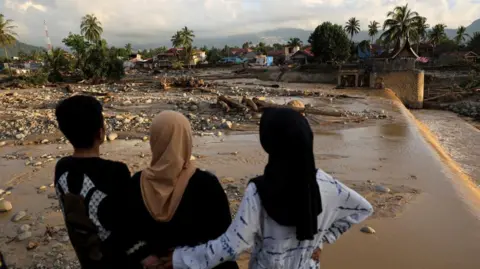
Rescuers in Indonesia are searching for at least 400 individuals reported missing after cyclonic rains caused catastrophic flooding nearly a week ago. The unfortunate news has come alongside the government’s confirmation of over 440 fatalities on the island of Sumatra.
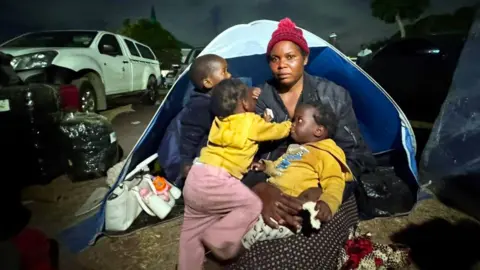
Despite efforts to deliver aid by air and sea, certain villages remain without support, leading desperate residents to resort to stealing food and water for survival.
This month's unprecedented torrential rains and storms have inflicted severe damage not just in Indonesia but also in Thailand, Malaysia, the Philippines, and Sri Lanka, claiming more than 900 lives across the region.
A rare tropical storm, dubbed Cyclone Senyar, triggered devastating landslides and flooding in Indonesia, obliterating homes and submerging thousands of structures. The missing individuals are concentrated in Aceh, North Sumatra, and West Sumatra, according to the National Disaster Management Agency (BNPB).
Agency head Suharyanto mentioned that particular attention is needed for Central Tapanuli and Sibolga, two cities currently isolated by flooding.
Foreign aid has started to arrive, with Malaysia contributing medical supplies to Aceh, one of the hardest-hit provinces. However, the delivery of aid remains challenging, with authorities announcing issues in clearing roads for access.
In Sungai Nyalo village, floodwaters have receded, leaving thick mud engulfing homes and vehicles. As outside assistance languishes, many residents are opting to stay despite the hazards.
The region faces widespread devastation, with at least 170 fatalities reported in Thailand and over 330 in Sri Lanka, attributed to similar flooding conditions. Additionally, protests erupt in the Philippines against governmental corruption following the flood disasters, pointing out the misallocation of flood control funds that worsened the situation.
National and local governments, along with various NGOs, are wrestling with the gravity of the situation, hoping to bring relief and—hopefully—restore stability in the affected areas.