Hotel Havoc: Courtroom Mix‑up at Australian Mushroom Murder Trial
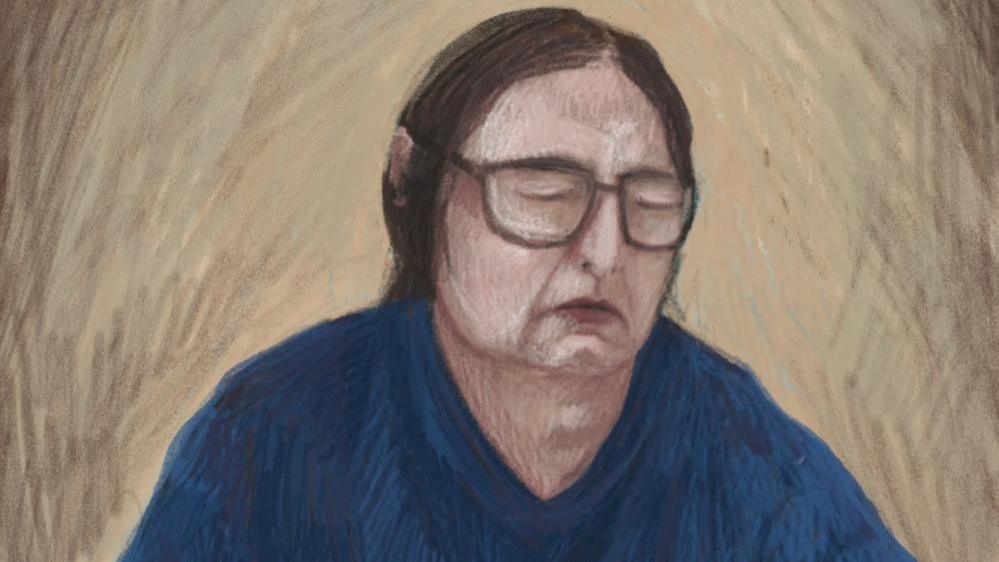
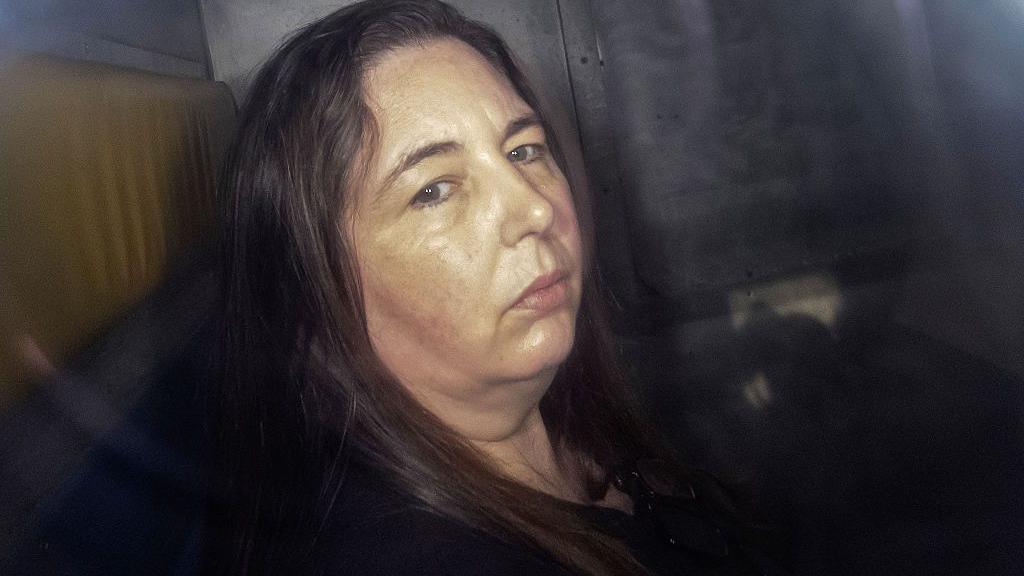
In July, thousands of table‑tennis enthusiasts flocked to Gippsland for Victoria’s biggest sporting event. At the same time, the region was witnessing the most sensational criminal case of the year—Erin Patterson’s conviction for poisoning relatives with mushroom‑laden meals.
Judge Christopher Beale had ordered jury members to be sequestered so they could deliberate without outside influence. Yet, accommodation shortages forced the jury to stay in a local hotel that already housed prosecution witnesses, a key police detective, and a handful of journalists.
Two brief emails from the judge’s office that month revealed that the jurors, the detective, and two prosecution solicitors shared the same roof. Defendants argue that this “fundamental irregularity” tainted the verdict, while prosecutors maintain that strict supervision prevented any interaction.
Patterson’s counsel, Richard Edney, cites comparable cases where jury bias led to retrials and stresses that perception alone can be as damaging as actual contact. He insists the “catastrophic” mix‑up undermines the fairness of the trial.
The prosecution, led by Director of Public Prosecutions Brendan Kissane, points out the absence of CCTV or sworn statements and stands by the claim that the jury was monitored properly. The appeal court is now bound to decide whether the hotel mishap demands a retrial.
As Australia’s legal system contends with this unprecedented situation, the community of Gippsland remains divided—victims grieving, the town buzzing with media, and the broader public watching for justice ensure the verdict stands or is overturned.