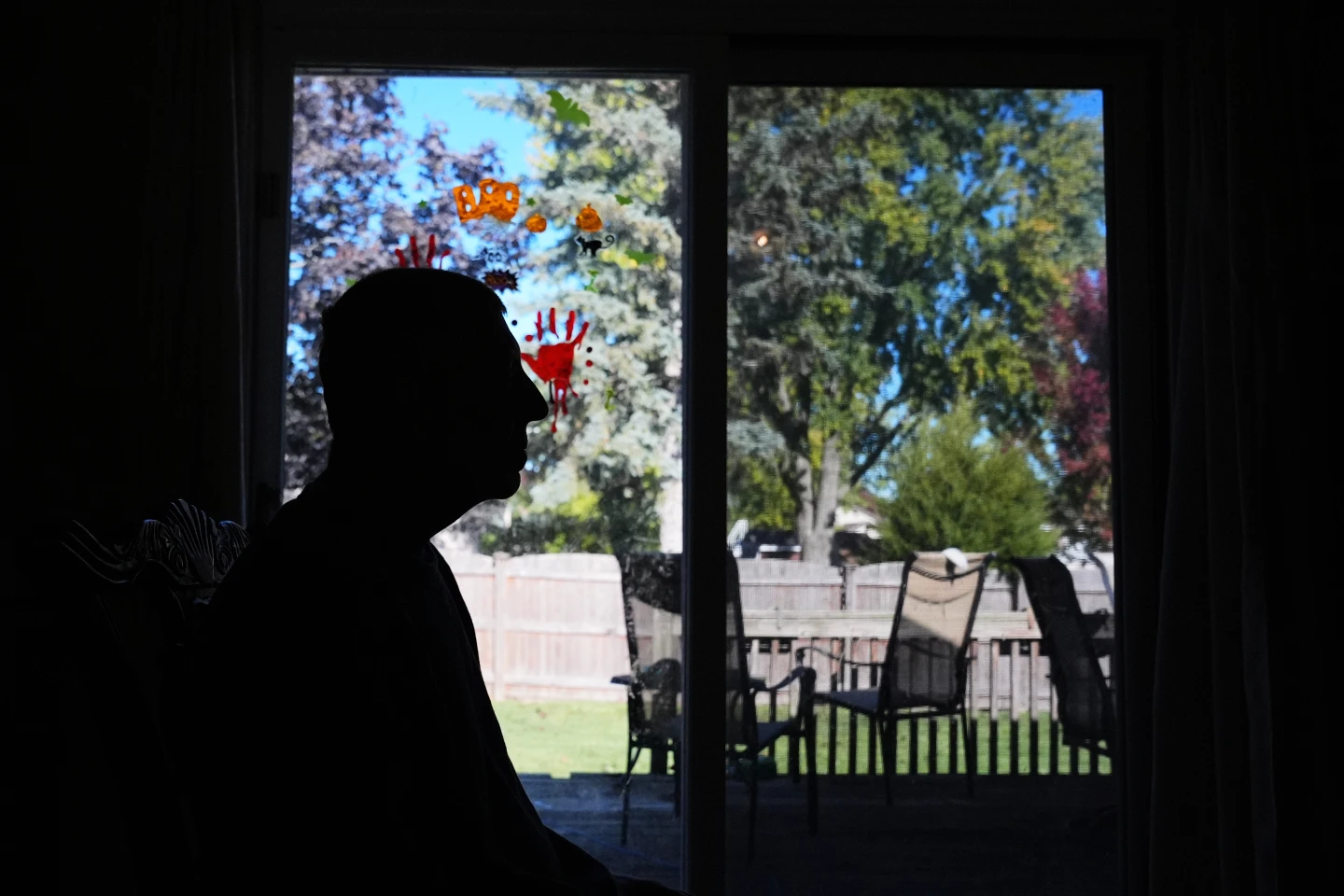
Bill Swick, a 53-year-old resident of Minooka, Illinois, faces a dire situation as a result of the ongoing federal government shutdown, which has halted funding for the Medicare telehealth program. This funding freeze has affected Swick's access to crucial speech therapy appointments, forcing him and his caregiver wife, Martha, to revert to outdated strategies for managing his progressive degenerative brain condition.
It's frustrating because we want to continue with his journey, with his progress, Martha Swick expressed during an interview at their home. With traditional in-person appointments being a logistical challenge due to Swick's severe mobility and speech issues, the couple has relied on the convenience of virtual therapy sessions to manage his condition. However, with the shutdown now entering its fifth week, millions of Medicare patients like Swick are left looking for alternatives.
The temporary lapse in funding has left providers grappling with choices of continuing to offer telehealth services without the guarantee of reimbursement or ceasing virtual visits altogether. This situation is particularly concerning for older adults who depend heavily on telehealth to access specialized care in the comfort of their homes, especially in the wake of the pandemic.
Before the pandemic, Medicare's reimbursement policies for telehealth were limited. However, the COVID-19 crisis prompted a significant overhaul, allowing patients to attend appointments from home and driving an increase in the usage of telehealth services. Over 4 million Medicare beneficiaries were utilizing telehealth prior to the funding lapse, emphasizing the program's critical role in patient care.
Now, experts worry about the long-term repercussions of interrupted treatment, as providers like Becky Khayum, owner of the Chicago-based Memory and Aphasia Care, indicate that patients may experience increased social withdrawal, depression, and anxiety without regular support. Additionally, many medical practices are halting new telehealth appointments for Medicare patients until funding is restored, which puts continuous care at risk.
The Swicks' story exemplifies the broader struggles of numerous patients reliant on telehealth to manage chronic conditions. As Congress remains deadlocked on negotiations to restore funding, the future of telehealth services for Medicare patients remains uncertain. For many, the hope lies in an expedited resolution that could reinstate access to essential healthcare services once again.