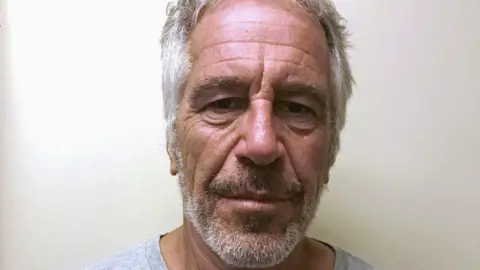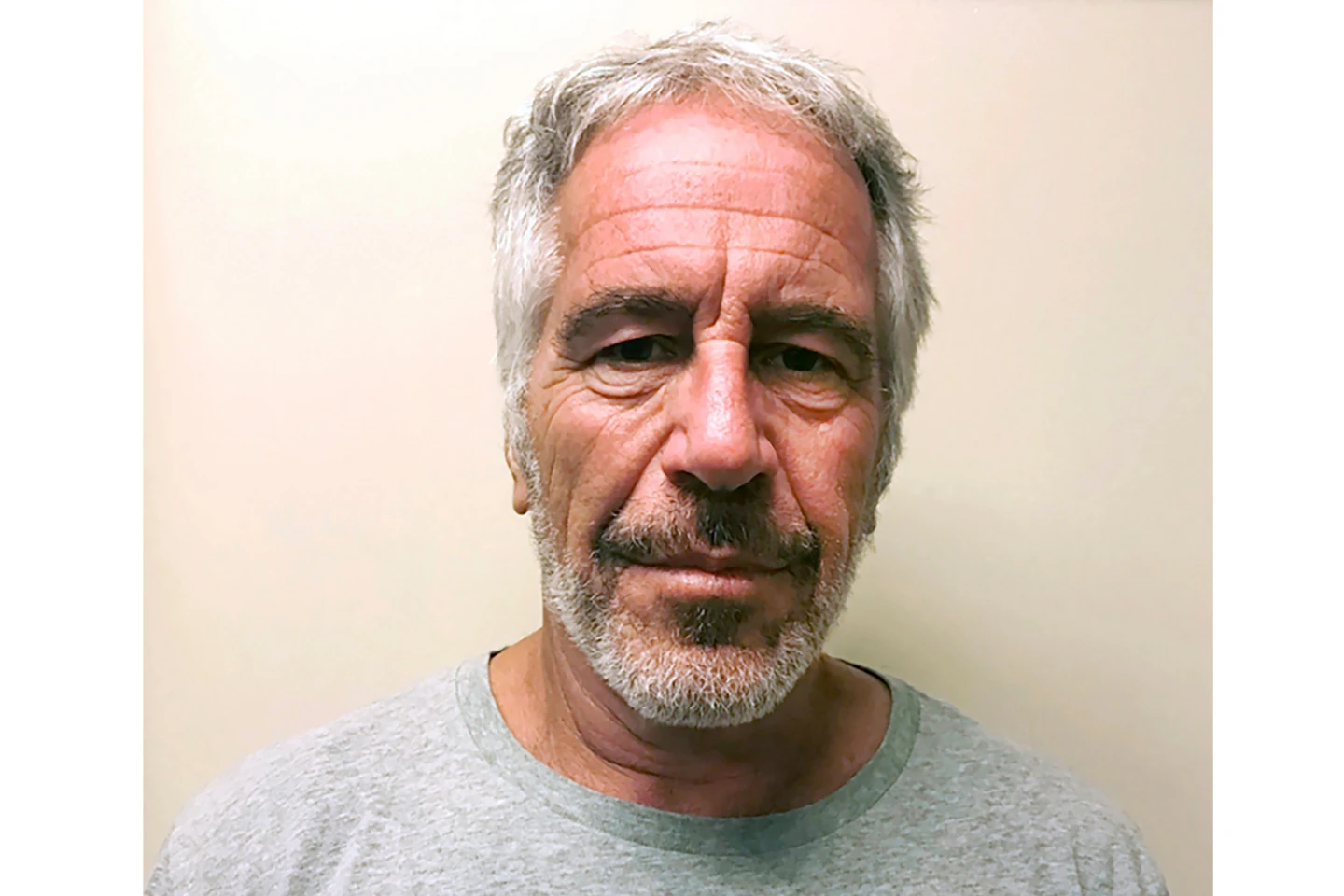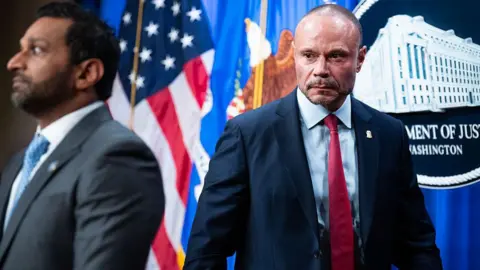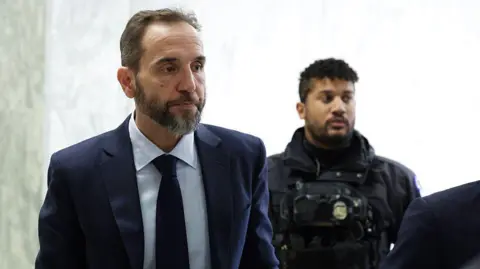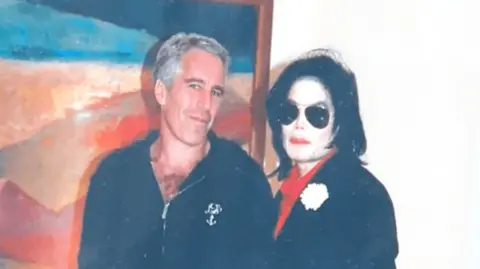
The release of thousands of pages of documents related to the late sex offender Jeffrey Epstein's abuse has left some who were anxiously awaiting the files disappointed. The documents' release was prompted by an act of Congress that directed the US Justice Department (DOJ) to make materials related to Epstein's crimes public. However, numerous documents have extensive redactions, and others have not been disclosed at all. Lawmakers who advocated for transparency have characterized the release as incomplete and criticized the Justice Department's actions as insincere.
Some legal experts warned that the extent of the redactions may fuel ongoing conspiracy theories. Deputy US Attorney Todd Blanche indicated that the department identified over 1,200 victims and withheld material that could reveal their identities. Recent information released includes a photo of Epstein confidante Ghislaine Maxwell outside Downing Street, a document suggesting Epstein introduced a 14-year-old girl to former President Donald Trump, and several images involving high-profile figures like Bill Clinton. Both Trump and Clinton have denied any wrongdoing associated with Epstein.
Survivors such as Liz Stein expressed frustration, believing the Justice Department is neglecting the Epstein Files Transparency Act by not fully disclosing the necessary documents. Calls for accountability continue as Democrat Congressman Ro Khanna and Republican Congressman Thomas Massie point out the release's failure to comply with transparency requirements. The DOJ stated it would adhere to the law by protecting victims' privacy, but the redactions have raised concerns about transparency and the release's implications for conspiracy theories surrounding Epstein's operations.
Some legal experts warned that the extent of the redactions may fuel ongoing conspiracy theories. Deputy US Attorney Todd Blanche indicated that the department identified over 1,200 victims and withheld material that could reveal their identities. Recent information released includes a photo of Epstein confidante Ghislaine Maxwell outside Downing Street, a document suggesting Epstein introduced a 14-year-old girl to former President Donald Trump, and several images involving high-profile figures like Bill Clinton. Both Trump and Clinton have denied any wrongdoing associated with Epstein.
Survivors such as Liz Stein expressed frustration, believing the Justice Department is neglecting the Epstein Files Transparency Act by not fully disclosing the necessary documents. Calls for accountability continue as Democrat Congressman Ro Khanna and Republican Congressman Thomas Massie point out the release's failure to comply with transparency requirements. The DOJ stated it would adhere to the law by protecting victims' privacy, but the redactions have raised concerns about transparency and the release's implications for conspiracy theories surrounding Epstein's operations.