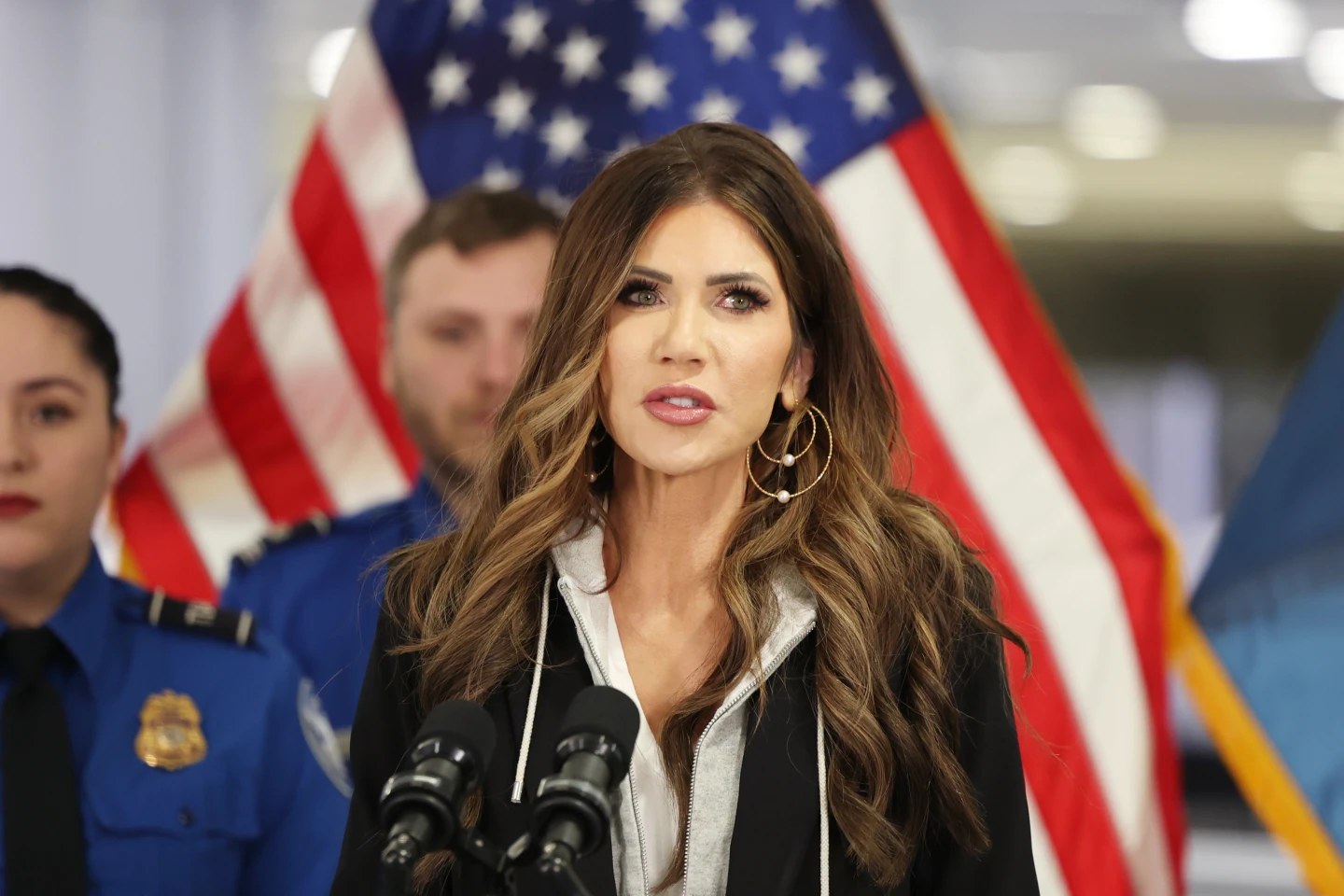
Homeland Security Secretary Kristi Noem, known for her integral role in implementing the Trump administration's strict immigration enforcement policies, is anticipated to endure intense questioning from Democratic lawmakers as she testifies before the House Committee on Homeland Security. This marks her first appearance before Congress since May. Demands for increased accountability have emerged alongside rising tensions regarding immigration enforcement actions, particularly in cities such as Los Angeles and Chicago, where federal agents have clashed with activists.
During her testimony, Noem will address issues concerning worldwide threats, which have typically encompassed cybersecurity, terrorism, and border security challenges. With recent deportation statistics revealing significant increases and general discontent surrounding her strategies, immigration is expected to dominate the dialogue during this session.
The urgency for a comprehensive immigration narrative escalated after Trump’s re-election, as he claimed the U.S. faces an invasion. Throughout Noem's tenure, there has been a noted increase in detained immigrants and a significant push to ensure the rapid deportation of individuals, including those not originally from the intended countries. Recent events, such as an Afghan national allegedly involved in a violent incident, have led to heightened scrutiny and an intensification of screening of immigrants within the U.S.
The hearing serves as an essential forum for Congress to engage with key figures from the FBI and other national security agencies, fostering discussions about the homeland security landscape. With the Department of Homeland Security recently receiving $165 billion in funding to bolster its operations, questions surrounding how that money will be utilized in the continued enforcement of immigration policies are likely to arise.
Noem's appearance is also shadowed by ongoing investigations regarding her handling of migration flights to El Salvador, which have provoked legal scrutiny. Democrats are poised to probe deeply into claims of erroneous detentions of U.S. citizens, raising concerns about civil rights violations in the enforcement process.
As the committee prepares for this notably focused hearing on immigration, it reflects broader themes within U.S. politics where immigration remains a contentious and polarizing issue, particularly as Republican members seek to address what they perceive as deficiencies in the Democratic approach following President Biden's administration.
During her testimony, Noem will address issues concerning worldwide threats, which have typically encompassed cybersecurity, terrorism, and border security challenges. With recent deportation statistics revealing significant increases and general discontent surrounding her strategies, immigration is expected to dominate the dialogue during this session.
The urgency for a comprehensive immigration narrative escalated after Trump’s re-election, as he claimed the U.S. faces an invasion. Throughout Noem's tenure, there has been a noted increase in detained immigrants and a significant push to ensure the rapid deportation of individuals, including those not originally from the intended countries. Recent events, such as an Afghan national allegedly involved in a violent incident, have led to heightened scrutiny and an intensification of screening of immigrants within the U.S.
The hearing serves as an essential forum for Congress to engage with key figures from the FBI and other national security agencies, fostering discussions about the homeland security landscape. With the Department of Homeland Security recently receiving $165 billion in funding to bolster its operations, questions surrounding how that money will be utilized in the continued enforcement of immigration policies are likely to arise.
Noem's appearance is also shadowed by ongoing investigations regarding her handling of migration flights to El Salvador, which have provoked legal scrutiny. Democrats are poised to probe deeply into claims of erroneous detentions of U.S. citizens, raising concerns about civil rights violations in the enforcement process.
As the committee prepares for this notably focused hearing on immigration, it reflects broader themes within U.S. politics where immigration remains a contentious and polarizing issue, particularly as Republican members seek to address what they perceive as deficiencies in the Democratic approach following President Biden's administration.