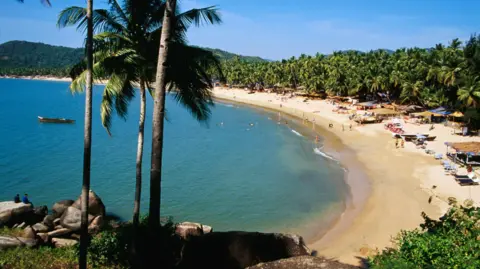
It is just past noon at the crescent-shaped Palolem beach on the southern tip of Goa's long, sandy coastline. The sun is blinding hot, but that has not deterred the tourist hordes from splashing about in the ocean.
The beachside shacks and cheap backpacker hotels hugging the bay in the state often dubbed India's party capital are full with tourists. However, a noticeable change is evident: the Europeans and Russians, who once thronged Palolem and other beach villages, are missing, replaced largely by local visitors.
Recent data from Goa's tourism department illustrates these shifting trends—foreign visitor numbers nearly halved, from about 900,000 in 2017 to 500,000 by 2025. In sharp contrast, domestic visitors surged from 6.8 million in 2016 to over 10 million last year, indicating a growing local interest.
Officials point to global geopolitical instability, rising flight costs, and affordability issues as major deterrents for foreign tourists. Economic hardship in their home countries seems to be shifting travel habits, with tourists opting for alternatives like Sri Lanka and Turkey.
Challenges also persist in the form of cumbersome visa processes, increased fees, and a lack of on-demand transport options due to local unions resisting app-based taxi services. Additionally, the overall cleanliness of tourist areas has raised concerns for visitors accustomed to higher standards.
The local government acknowledges these issues and is attempting to attract foreign travelers back through campaigns targeting non-European markets. However, with newer, more affordable destinations on the rise, Goa must enhance its offerings and facilities to maintain its historical charm and tourism revenue.