In brief
Following the death of Pope Francis, progressive Christians grapple with the future of their values amidst a rising conservative movement.
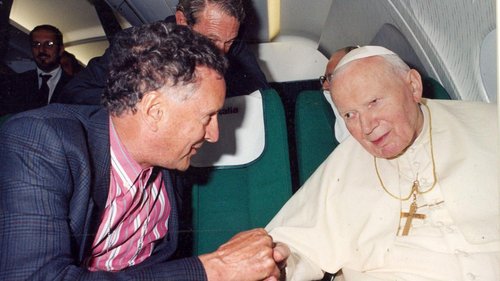
In the wake of Pope Francis’s death, a shroud of uncertainty envelops millions of progressive Christians in the United States. Over a impactful twelve-year tenure, the pope was revered not just for his leadership but also for being a beacon of hope for advocates of the marginalized and the poor. His unique stance countered the growing conservative Christian movements, creating a hub for progressive values that many now fear might falter in his absence.Bishop Sean W. Rowe, presiding bishop of the Episcopal Church, articulated the prevailing sentiment among these communities, marking this as a pivotal moment. “This moment is critical now,” he declared, emphasizing the essential need for those who align with the teachings of love and compassion found in the Sermon on the Mount. He urged a reaffirmation of these principles as a response to an increasing dominance of nationalism within American Christianity, which he argues distorts the true essence of their faith.Rowe's reflections highlight the urgency for progressive Christians to reclaim the Christian narrative from political appropriation, emphasizing that it is critical for them to communicate their messages of inclusion and love in ways that resonate with broader audiences. In this period of transition, when their guiding figure is no longer present, the challenge emerges for them to maintain and invigorate their commitment to values of compassion, inclusivity, and social justice. As this new chapter unfolds, it will demand resilience, creativity, and unity within the progressive Christian community, reorienting themselves in a changing religious topography.