In brief
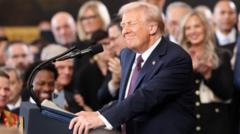
During his address as the 47th President of the United States, Donald Trump laid out an ambitious vision for a “golden age” in America, juxtaposed with stark warnings about the nation’s current political landscape. Trump, returning to power amid dissatisfaction with the status quo, placed the spotlight on immigration and the economy, areas that continue to resonate with American voters. His call to end government diversity initiatives and his definition of gender as strictly binary generated an enthusiastic response from supporters, highlighting his ability to connect with his base on cultural issues.
However, Trump’s optimistic outlook was contrasted by a grim depiction of the current state of American politics. He referred to a “crisis of trust” while condemning the legal challenges he faces, characterizing them as political persecution. This anti-establishment rhetoric, a hallmark of his political persona, took on new dimensions, as the political landscape has shifted since the days of his initial campaign, making Trump a part of the establishment he often critiqued.With the promise of significant executive actions across immigration, energy, trade, and education, Trump detailed intentions to declare national emergencies, especially concerning energy and immigration policies. His assertions included militarizing the border and re-evaluating trade routes, with bold claims about reclaiming the Gulf of Mexico as the "Gulf of America" and suggesting US overreach in international treaties regarding the Panama Canal.Trump's remarks on expanding American wealth and potentially further extending US territory raised eyebrows. While ambitious promises were made during the campaign, the president now faces intense scrutiny to fulfill these goals, essentially defining what his “golden age” truly entails. As the new administration prepares to navigate these complex issues, the reality of governance looms large.