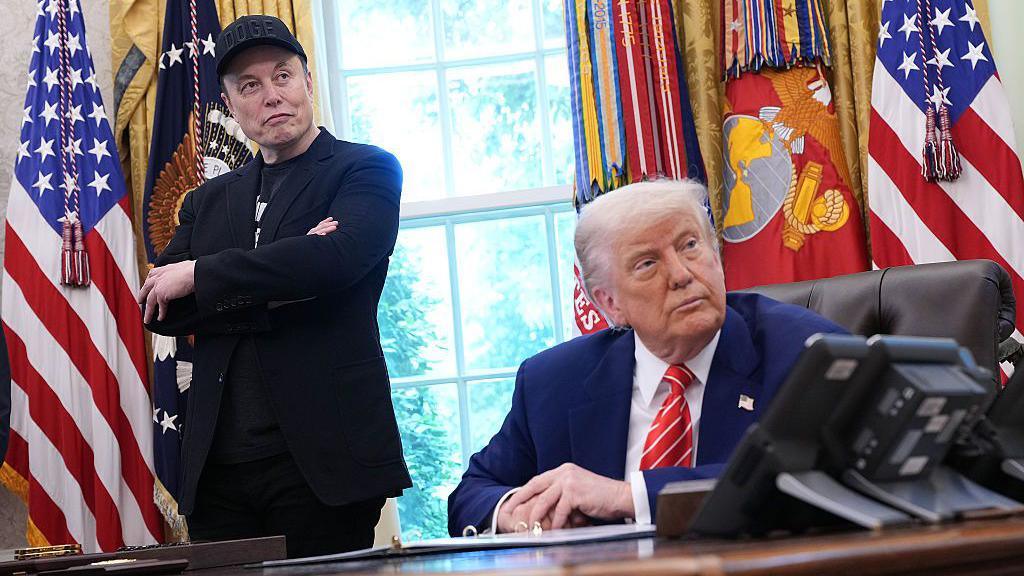
GAO Criticizes Doge’s $110 bn Savings Claims as Unsubstantiated
The U.S. Government Accountability Office (GAO) released a critical audit last Thursday questioning the validity of the Doge unit’s reported federal savings. The GAO report found that many of Doge’s claims were either wrong or lacked supporting evidence, labeling them “incorrect or unsupported.”
Dog, officially a non‑departmental body, was established at the start of President Trump’s second term to cut federal spending and had touted a “Wall of Receipts” showing $110 billion saved across contracts, grants and leases. The GAO noted several transparency issues, citing insufficient disclosure of calculation methods and flawed data handling.
The audit highlighted specific examples such as 108 of 264 leases reported for termination were already in the process of ending before Doge was created, accounting for only $15.3 million of the claimed savings. Additionally, the report denied the existence of a $1.7 billion savings from a defense IT contract termination, as the contract was never finished.
Senators Gary Peters and Richard Blumenthal, who requested the audit, quoted the GAO’s assessment: “Dog was a slapdash and deceptive effort that misled the American people while doing real damage to the government's ability to serve them.”
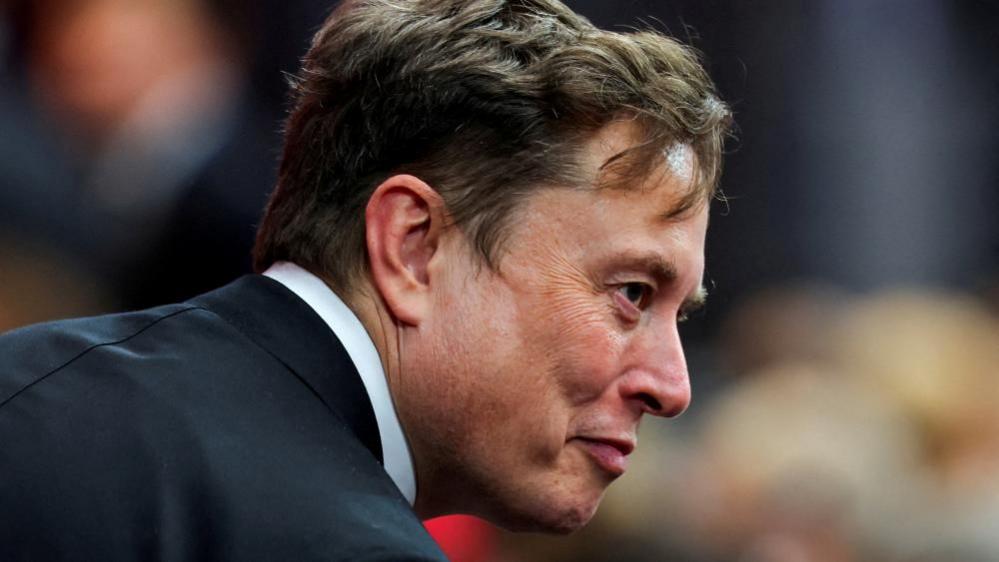
Elon Musk, who led Doge until May 2025, originally promised savings up to $2 trillion annually. Even under the agency’s own metrics, Doge claimed only $214 billion had been saved.
After closing last month, Doge stated: “The formal mission of Doge is complete, but the mission to eliminate waste, fraud, and abuse will continue.” However, the GAO’s findings suggest that its cost‑cutting initiatives either misrepresented results or failed to follow rigorous accounting practices, raising concerns about the reliability of future savings promises.