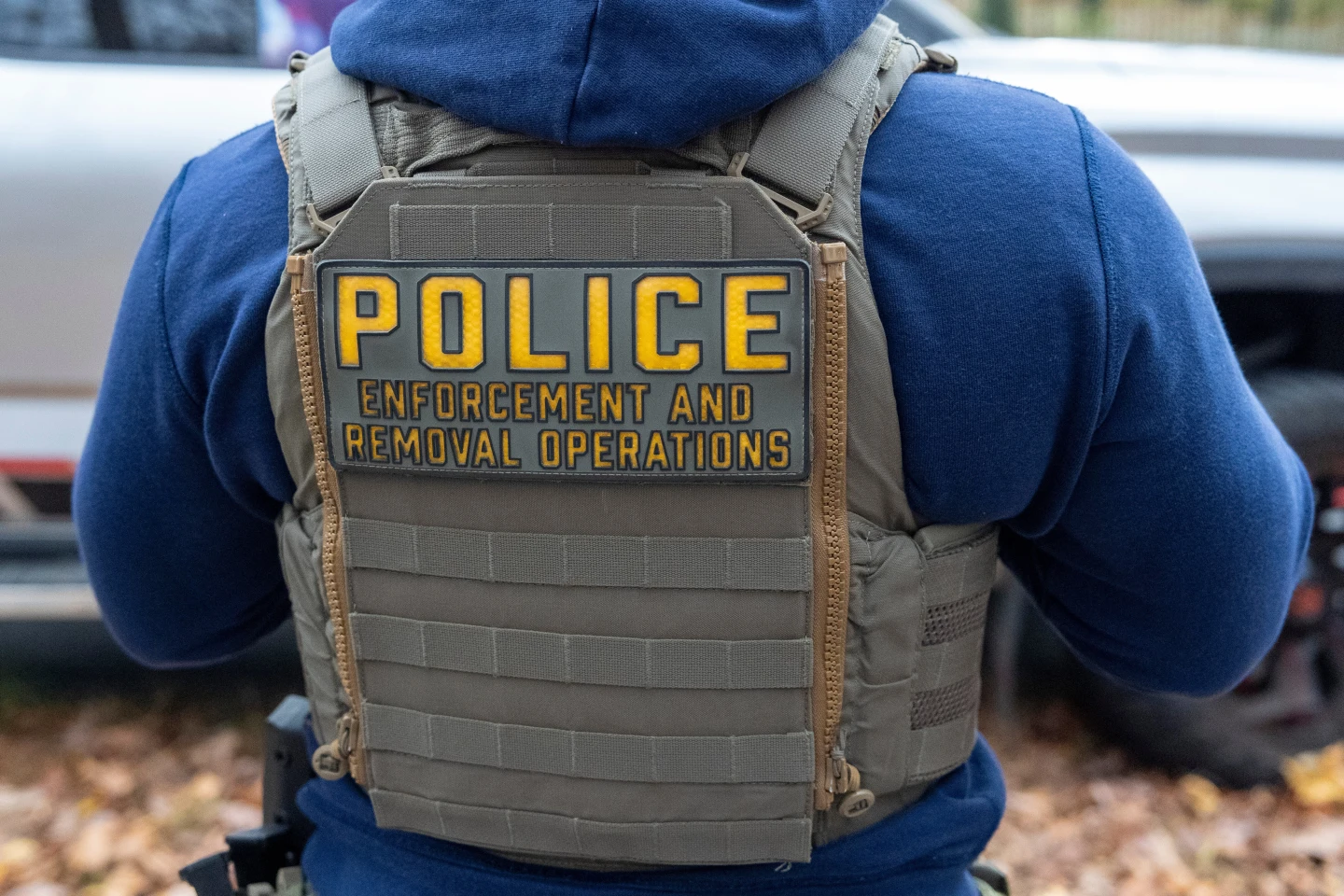
A federal appeals court issued an order blocking a California law that would require federal immigration agents to visibly wear identification, a move aimed at improving accountability amid criticisms of federal enforcement practices. The ruling from the 9th U.S. Circuit Court of Appeals follows a lawsuit filed by the Trump administration, which claimed the law jeopardized the safety of federal officers.
The panel's decision reaffirms concerns over the balance of power between state and federal government, as the judges indicated that the law attempted to regulate federal agents’ performance of governmental duties. A temporary administrative injunction had already been granted while the appeal was in process.
The law was one of two major legislative actions aimed at curbing what many advocates decried as potentially dangerous practices of masked federal agents conducting operations without identification, particularly in the wake of widespread immigration crackdowns in Southern California.
Despite California state lawyers arguing that the law was applied uniformly to all law enforcement officers, the appeals court ruled unanimously against the measure, noting that it could lead to complications in identifying true law enforcement during operations, which could endanger both agents and the public.
California’s push for such legislation arises from incidents where federal agents executed operations without identification, leading to public safety concerns and increasing risks of agents being confused with criminals. A report by the FBI highlighted the dangers posed by impersonators of ICE agents in criminal activities.
As the legal battle continues, both sides are expected to assess the implications of the ruling, with commentary from officials emphasizing the need for transparency versus the imperative of operational security in federal law enforcement activities.