Family Faces Shooter: Court Hearing on the Murder of Charlie Kirk
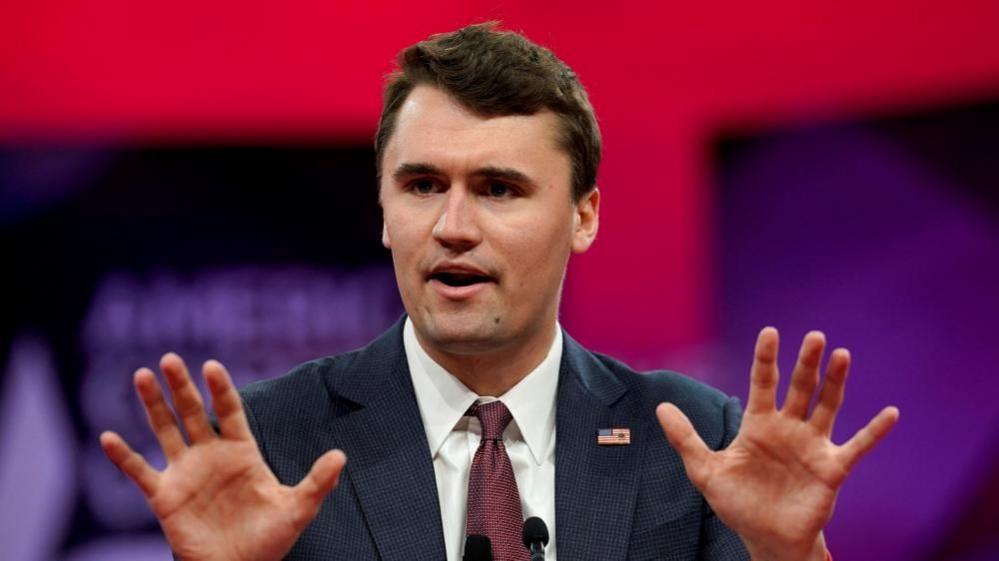
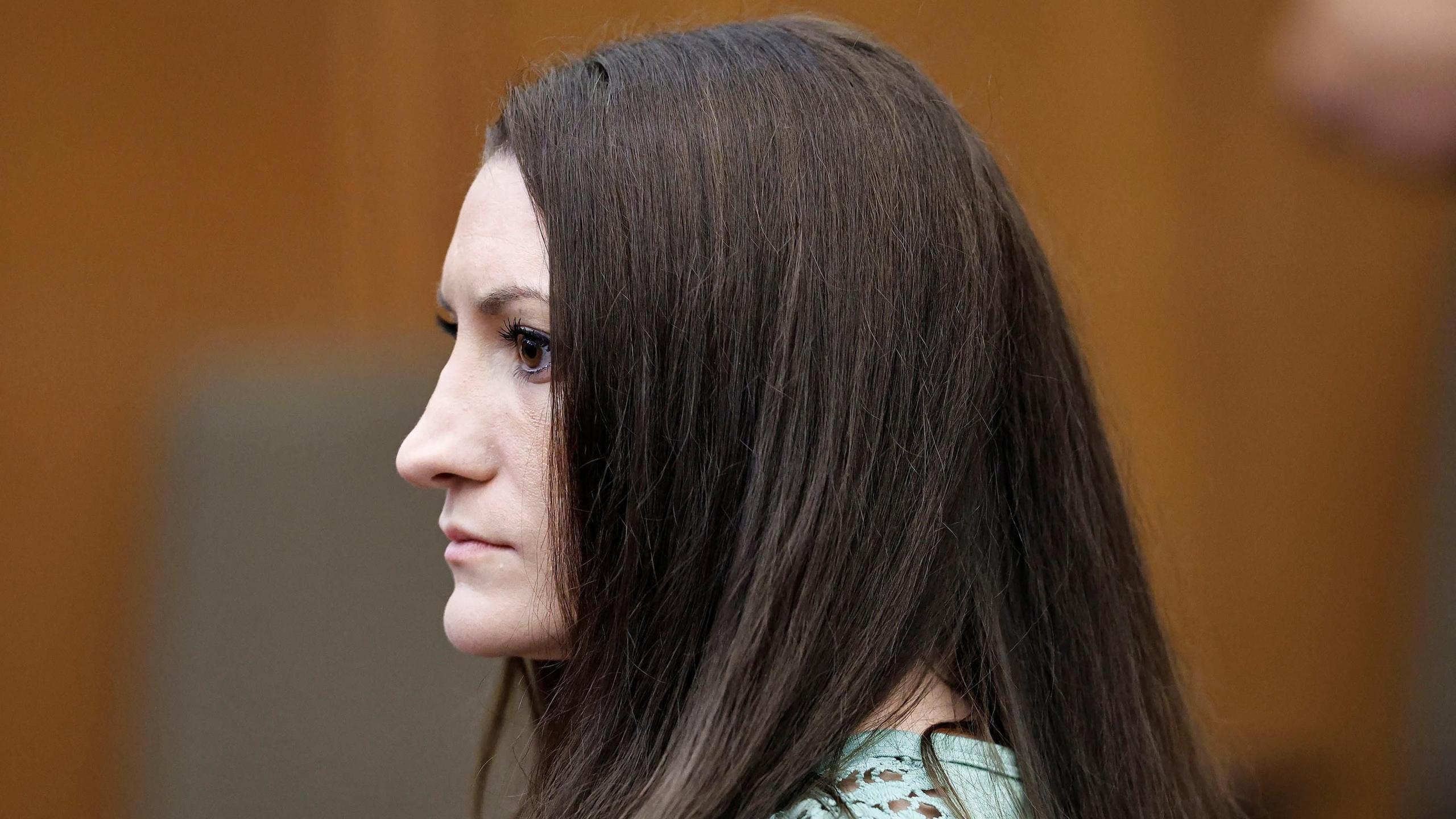
In early July, the family of 31‑year‑old Charlie Kirk— a prominent conservative activist and founder of Turning Point USA— met the alleged killer, 23‑year‑old Tyler Robinson, for the first time in a Utah courtroom. The hearing, scheduled to continue through Friday, saw prosecutors lay out evidence against Robinson and seek the death penalty.
Kirk was murdered on 10 September 2025 while speaking at Utah Valley University. The case led to a nationwide manhunt that culminated in Robinson’s arrest days later on multiple charges, including murder. He has yet to enter a plea.
During the preliminary hearing, new witness testimony and surveillance footage were presented. Law‑enforcement witnesses noted that Robinson was on campus four times the day of the shooting, including hours after Kirk’s death, and that home surveillance from a nearby neighbourhood showed him parking a Gray Dodge before later leaving the area.
Witnesses such as Chris Bagley described a chaotic scene and singled out suspicious evidence—a screwdriver, a “sniper pad” impression in gravel, and an escape route seen in security footage. In a move that could influence the case's outcome, Robinson’s defense team, led by attorney Kathryn Nestor, questioned the prosecutorial evidence and argued for a dismissal of certain items while asking Judge Tony Graf to remove the death penalty option.
The family, including Kirk’s parents Robert and Kathryn and his sister Mary, released a joint statement expressing gratitude for the outpouring of prayers and kindness while maintaining privacy amid the proceedings. Their first court appearance also saw Donald Trump Jr. in attendance, underscoring the political dimension of the case.
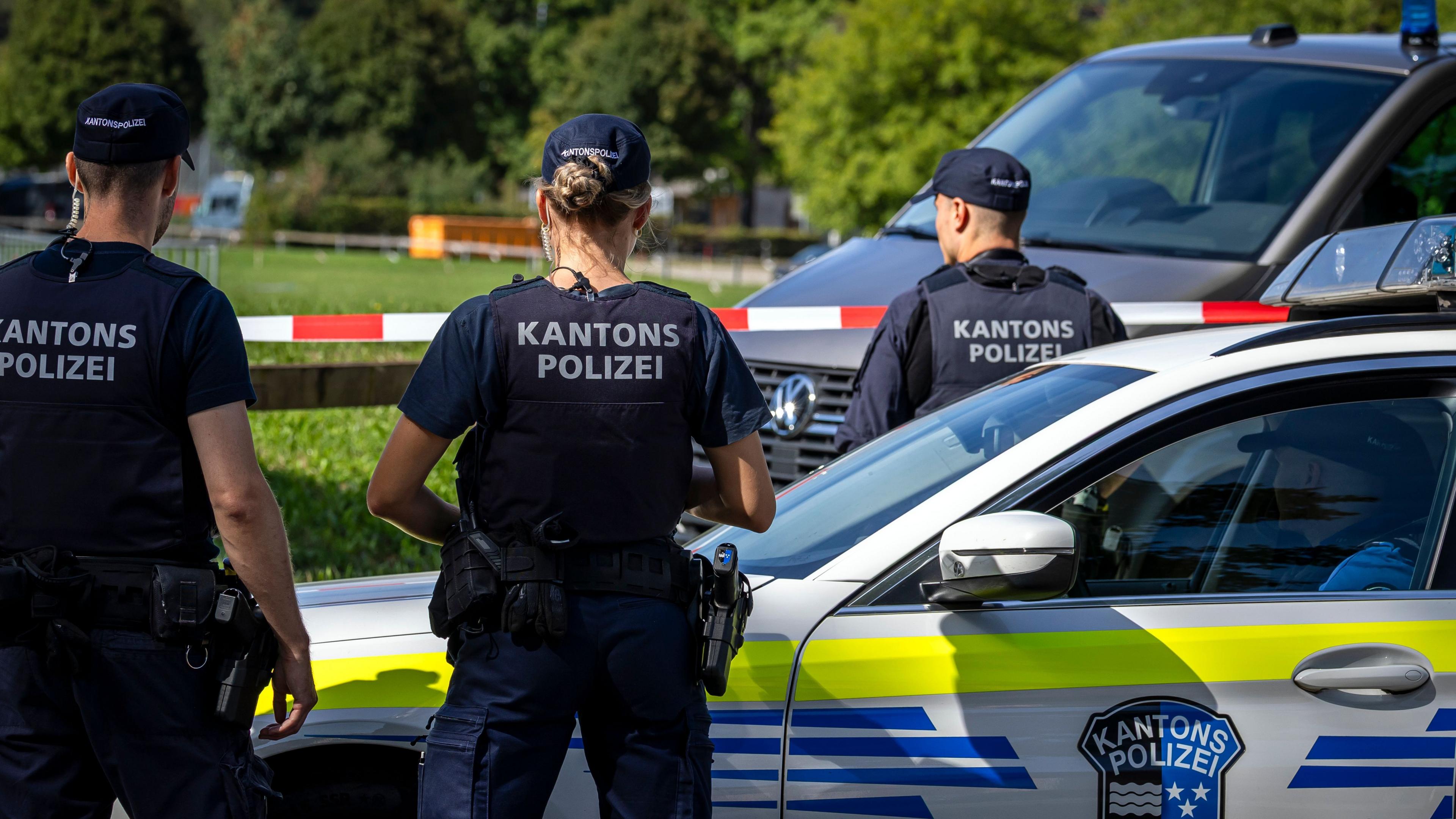
Law‑enforcement agencies, such as Utah’s State Bureau of Investigation, confirmed that Robinson repeatedly appeared on campus that day, raising serious questions about how security was managed during the event. Prosecutors’ series of questions to witnesses regarding staffing, surveillance, and planning introduced the courtroom to the details of investigative procedures and investigative gaps.
The preliminary hearing’s conclusion will determine whether prosecutors can proceed with a full trial. At this stage, the identified evidence points strongly toward Robinson as the shooter, but the defense’s objections and the judge’s discretion may alter the trajectory of the case.