In brief
The ongoing violence in and around Syria's capital highlights the fragile sectarian dynamics and regional implications at play.
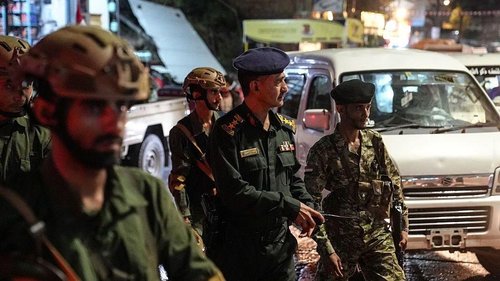
The security situation in Syria's capital, Damascus, has worsened as violent confrontations between pro-government fighters and militia from the Druse community intensified, leading to a significant Israeli military response. According to reports from Syria's authorities and a war monitoring group, at least 11 people died in the latest clashes, raising the total death toll to at least 28 over two days.The Israeli military confirmed it conducted a warning strike in Damascus against what was described as “extremists” who were allegedly planning to attack members of the Druse community. This move underlines Israel’s strategic alliances, particularly its support for the Druse, who are a significant minority in both Syria and Israel. The Israeli government reiterated its commitment to offer protection to the Druse in Syria amid the ongoing turmoil.The fighting erupted first in Jaramana—a suburb populated largely by Druse—before spreading to the town of Ashrafieh Sahnaya, where armed groups targeted government checkpoints and personnel. The conflict reflects the escalating sectarian tensions in Syria, especially as the nation continues to grapple with its political transition post-civil war. In a nation struggling to find stability, the involvement of Israel showcases how regional dynamics can rapidly influence internal conflicts, complicating peace efforts and raising fears of a broader escalation.