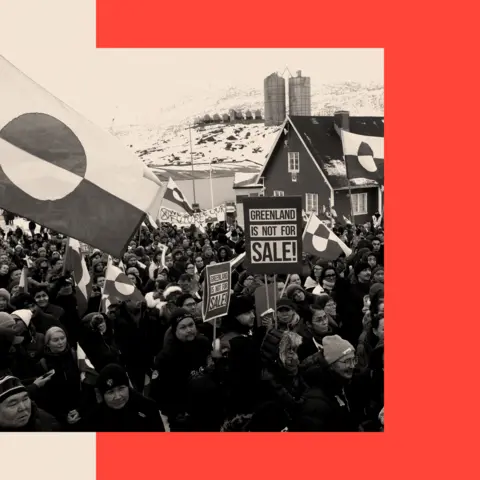
Europe's response to Trump’s Greenland ambitions marks a turning point.
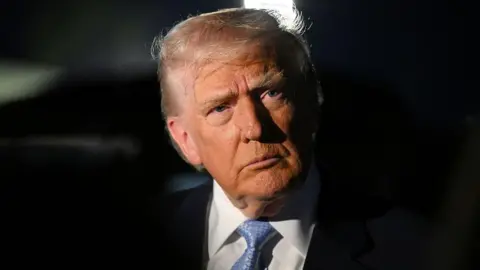
Donald Trump's insistence on acquiring Greenland for national security has prompted European leaders to re-evaluate their diplomatic strategies. At the World Economic Forum (WEF), many plan to confront the U.S. president rather than adopt a soft approach.
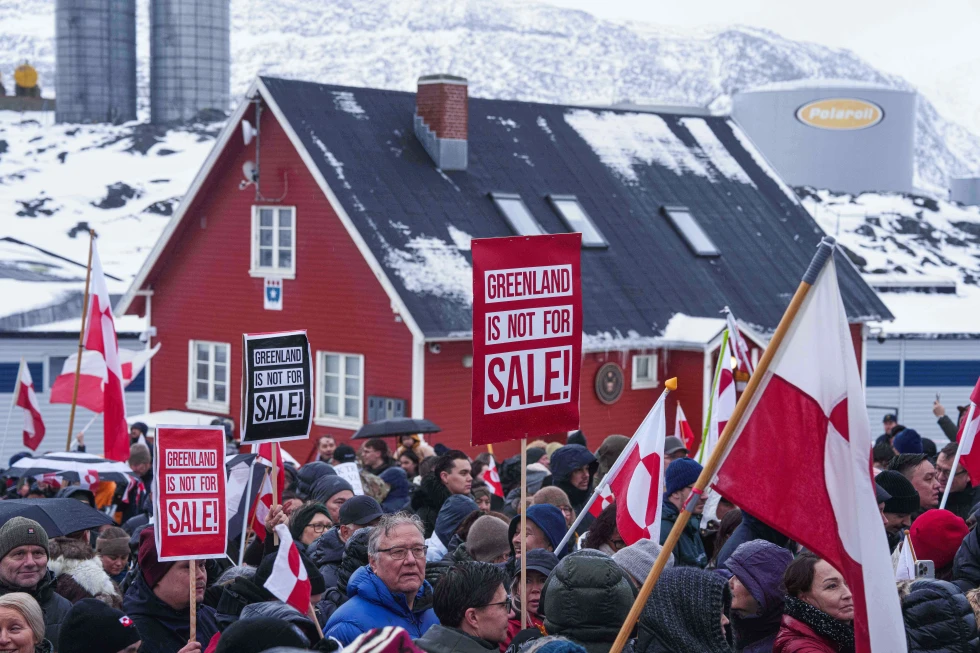
Greenland, a semi-autonomous territory of Denmark and a member of NATO, has become a focal point of tension as Trump suggests that European leaders should abandon their support for Denmark or face punitive trade measures. This aggressive posture has raised alarms, particularly for economies that depend on exports to the U.S.
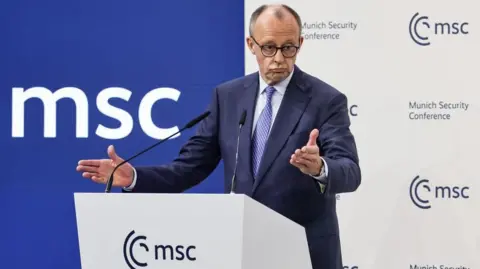
Germany's finance minister emphasized that Europe will not succumb to blackmail. French officials articulated growing frustration with Trump’s tactics, labeling them a considerable breach of established diplomatic norms.
Europe's balancing act between assertiveness and alliance preservation.
As leaders anticipate discussions with Trump, they aim to convey solidarity around Arctic security while simultaneously considering retaliatory tariffs worth €93 billion on U.S. goods in response to Trump's Greenland agenda.
The European Union's economic clout could leverage change. With members contributing significantly to employment and trade in the U.S., retaliatory measures could backfire on American consumers as well.
The geopolitical dynamics are shifting in real-time.
As Trump operates on a different engagement model, exemplified by his threats regarding tariffs as geopolitical weaponry, Europe is caught between maintaining its sovereignty and the necessity of U.S. support—especially concerning security in an era where Russia's influence looms large.
Leaders recognize that unity is crucial in navigating these complex relations. They also seem increasingly aware that China and Russia are keenly observing the disintegration of traditional alliances, positioning themselves as alternative partners to countries disillusioned with U.S. policies.
This moment in history marks a crucial pivot where Europe must grow resilient against perceived U.S. aggression while retaining its alliances, reiterated by calls for internal harmony among EU members, thus ensuring a collective voice as they confront Trump.