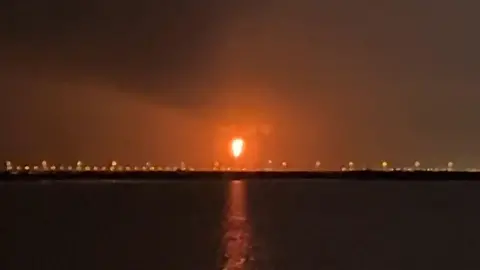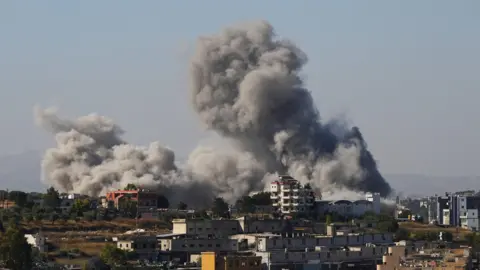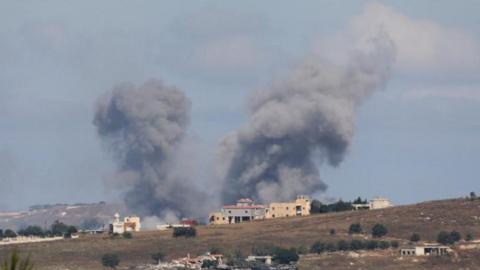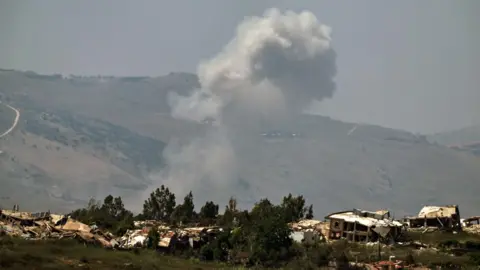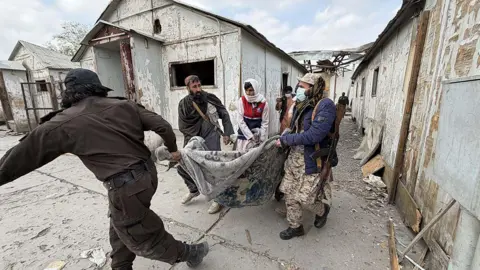
Monday's air strike on Kabul resulted in the highest number of casualties seen since hostilities began again in February.
Within hours of explosions ringing across the capital, both sides were posting on social media—a war of words as people searched for answers.
The Pakistani military regime has once again violated Afghanistan's airspace and targeted a drug rehabilitation hospital in Kabul, resulting in the death and injury of addicts who were undergoing treatment, posted Zabihullah Mujahid, the Taliban government's spokesperson, who added he considers such an act to be a crime against humanity.
On an account called Fact Checker MOIB, Pakistan's Ministry of Information responded, stamping propaganda across a picture of the Taliban spokesman's post.
On night 16 March, Pakistan precisely targeted military installations and terrorist support infrastructure including technical equipment storage and ammunition storage of Afghan Taliban and Fitna al-Khawarij (Pakistan's term used to refer to the Pakistani Taliban) in Kabul and Nangarhar that were being used against innocent Pakistani civilians, the post said.
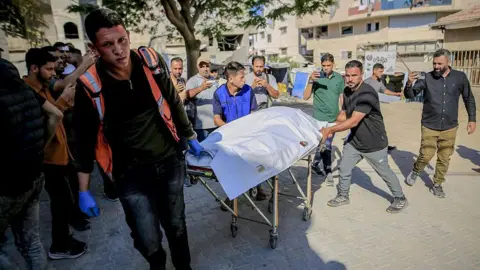
By the morning, Taliban officials had claimed that the death toll in the strike exceeded 400, a figure not independently verified but with reports from the UN citing 143 verified deaths, suggesting this number could increase.
Despite media coverage indicating a drug rehabilitation facility was affected, Pakistan's military has denied acknowledging civilian casualties, instead doubling down on accusations against the Taliban. This back-and-forth reflects the deepening divide between the two nations, characterized by their mutual distrust and the use of social media as a platform for public accountability.
The escalation in violence shows no signs of slowing, with both sides seemingly intent on military action while simultaneously trying to control the narrative surrounding their actions. As this cycle continues, the potential for diplomatic resolution appears increasingly distant.