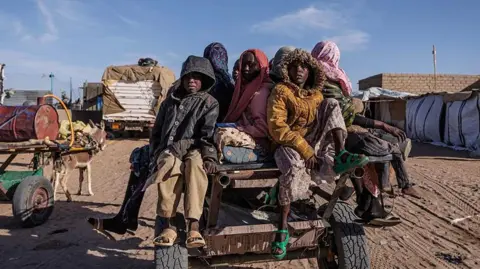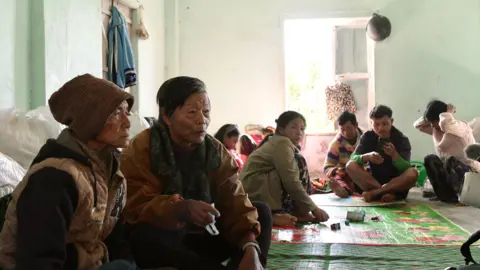
Late one night last month, Iang Za Kim heard explosions in a neighboring village, followed by the roar of fighter jets overhead. Terrified, she and her family hastily gathered essentials and fled into the jungle surrounding their village in K-Haimual, Chin State, Myanmar. This incident reflects the plight of thousands of civilians forced from their homes due to intensified air strikes and a military offensive aimed at regaining territory ahead of elections scheduled for December 28.
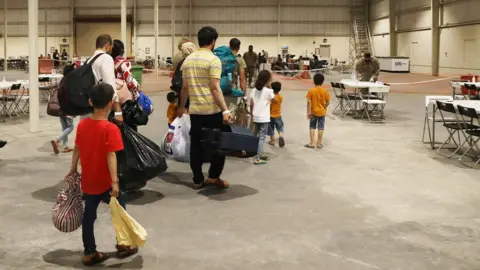
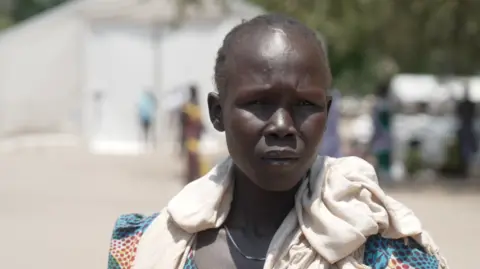
In the wake of intense military action, Iang, alongside others sheltering in a rundown facility in India’s Mizoram, shared her fears of being captured and coerced into participating in a vote that many believe will be rigged. The traumatic memories of fleeing were shared by others around her, highlighting the collective distress caused by the Burmese military's recent actions.
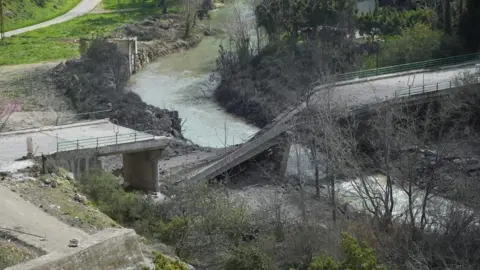
The assault on civilian areas has been described as some of the most severe experienced since the military coup in February 2021. Reports indicate that essential infrastructure, including hospitals and schools, has also been targeted, leading to civilian casualties and heightened fear among local populations. Many have sought refuge in nearby areas or crossed borders into India seeking safety.
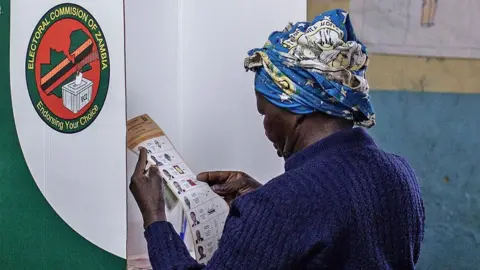
Notably absent from the upcoming elections is the National League for Democracy party, led by Aung San Suu Kyi, with key figures imprisoned. This situation has led to widespread skepticism regarding the legitimacy of the electoral process, as civilians express their disdain against a military regime that disregards the basic tenets of democratic governance. Rebel leaders echo this sentiment, declaring the election a mere facade to perpetuate military rule.
Civilians within rebel-held territories witness harsh realities as they contend with fear and vulnerability. Survivors of violent confrontations display resilience despite suffering devastating losses. As Myanmar faces a bleak future, rooted in both military aggression and political suppression, hopes for a return to democracy linger as a distant possibility.
In the wake of intense military action, Iang, alongside others sheltering in a rundown facility in India’s Mizoram, shared her fears of being captured and coerced into participating in a vote that many believe will be rigged. The traumatic memories of fleeing were shared by others around her, highlighting the collective distress caused by the Burmese military's recent actions.
The assault on civilian areas has been described as some of the most severe experienced since the military coup in February 2021. Reports indicate that essential infrastructure, including hospitals and schools, has also been targeted, leading to civilian casualties and heightened fear among local populations. Many have sought refuge in nearby areas or crossed borders into India seeking safety.
Notably absent from the upcoming elections is the National League for Democracy party, led by Aung San Suu Kyi, with key figures imprisoned. This situation has led to widespread skepticism regarding the legitimacy of the electoral process, as civilians express their disdain against a military regime that disregards the basic tenets of democratic governance. Rebel leaders echo this sentiment, declaring the election a mere facade to perpetuate military rule.
Civilians within rebel-held territories witness harsh realities as they contend with fear and vulnerability. Survivors of violent confrontations display resilience despite suffering devastating losses. As Myanmar faces a bleak future, rooted in both military aggression and political suppression, hopes for a return to democracy linger as a distant possibility.