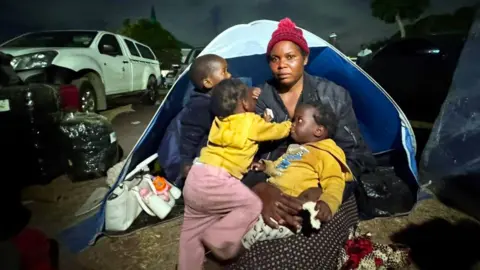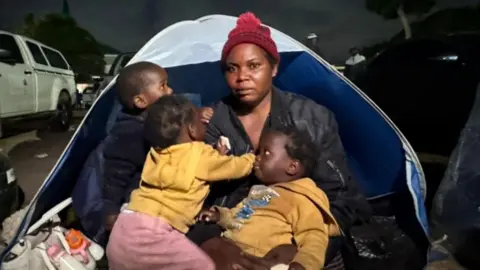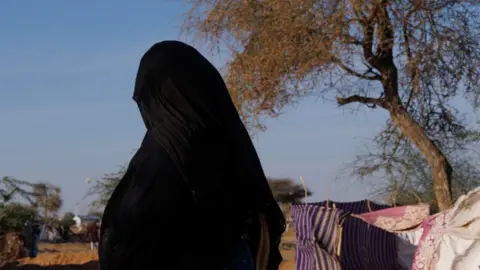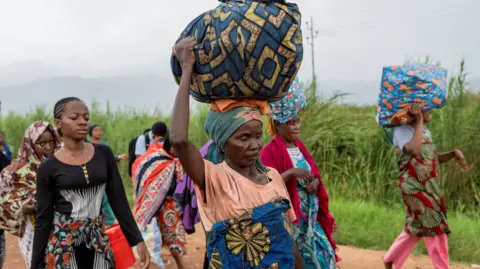
Over 90,000 refugees who fled to Burundi after recent violence in eastern Democratic Republic of Congo are experiencing dire conditions in overcrowded camps, with limited access to food and water, according to aid agencies.
Recent hostilities involving Congolese M23 rebels, who captured the city of Uvira, have forced thousands to escape their homes. Reports indicate that while rebels claimed to have withdrawn, the humanitarian crisis continues to worsen.
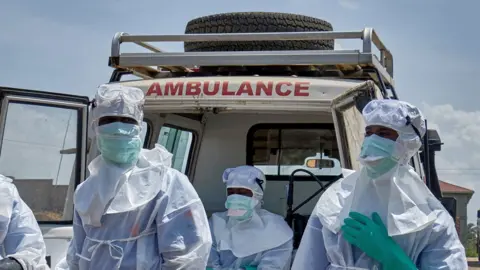
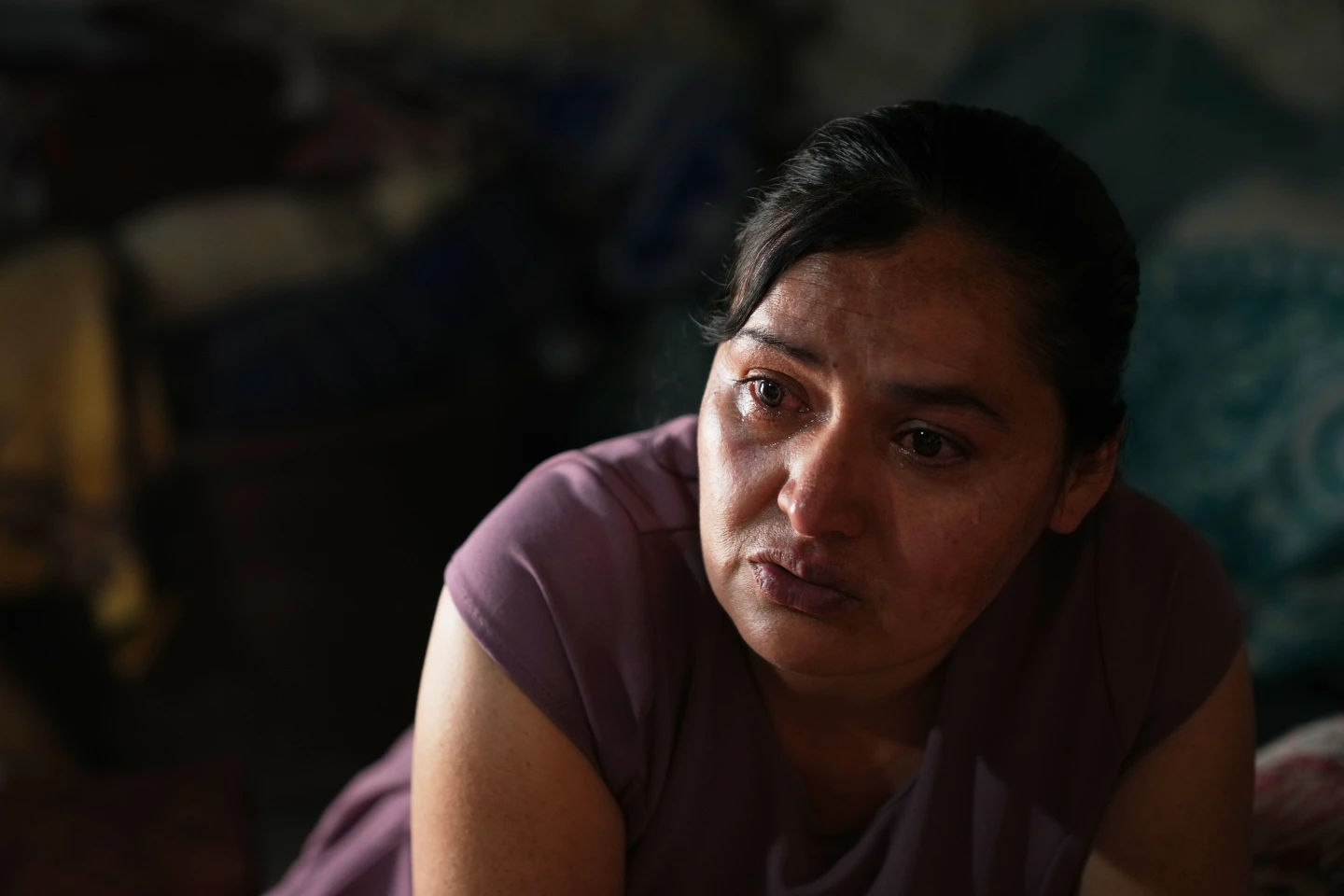
Medical charity Médecins Sans Frontières (MSF) has been providing emergency assistance and highlighted the critical situation faced by the refugees. Many women and children, particularly pregnant women, have gone without food for days.
MSF has reported an average of 200 patients daily at their clinics since many began arriving in Burundi over the past two weeks. We see people in a state of distress, despair and exhaustion. Women are giving birth while fleeing, said Zakari Moluh, an MSF project coordinator.
Concerns are rising about the risk of diseases such as cholera and malaria spreading among the refugees. The World Food Programme (WFP) has announced plans to extend aid to over 210,000 vulnerable individuals displaced by the conflict, noting that around half a million people have been displaced since early December.
The humanitarian response is hampered due to a collapse of services in the region. Many health facilities have been looted, and schools remain closed. The situation underscores the urgent need for funding to sustain aid efforts.
The M23's territorial advancements in Eastern DR Congo, including the capture of Uvira, have drawn international attention and complex geopolitical implications, especially concerning accusations against Rwanda for backing the rebels.