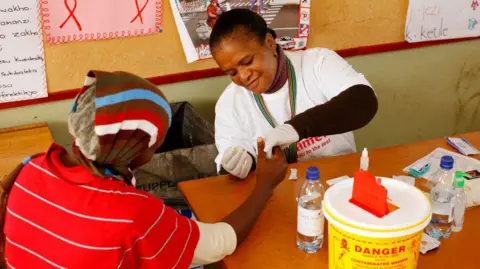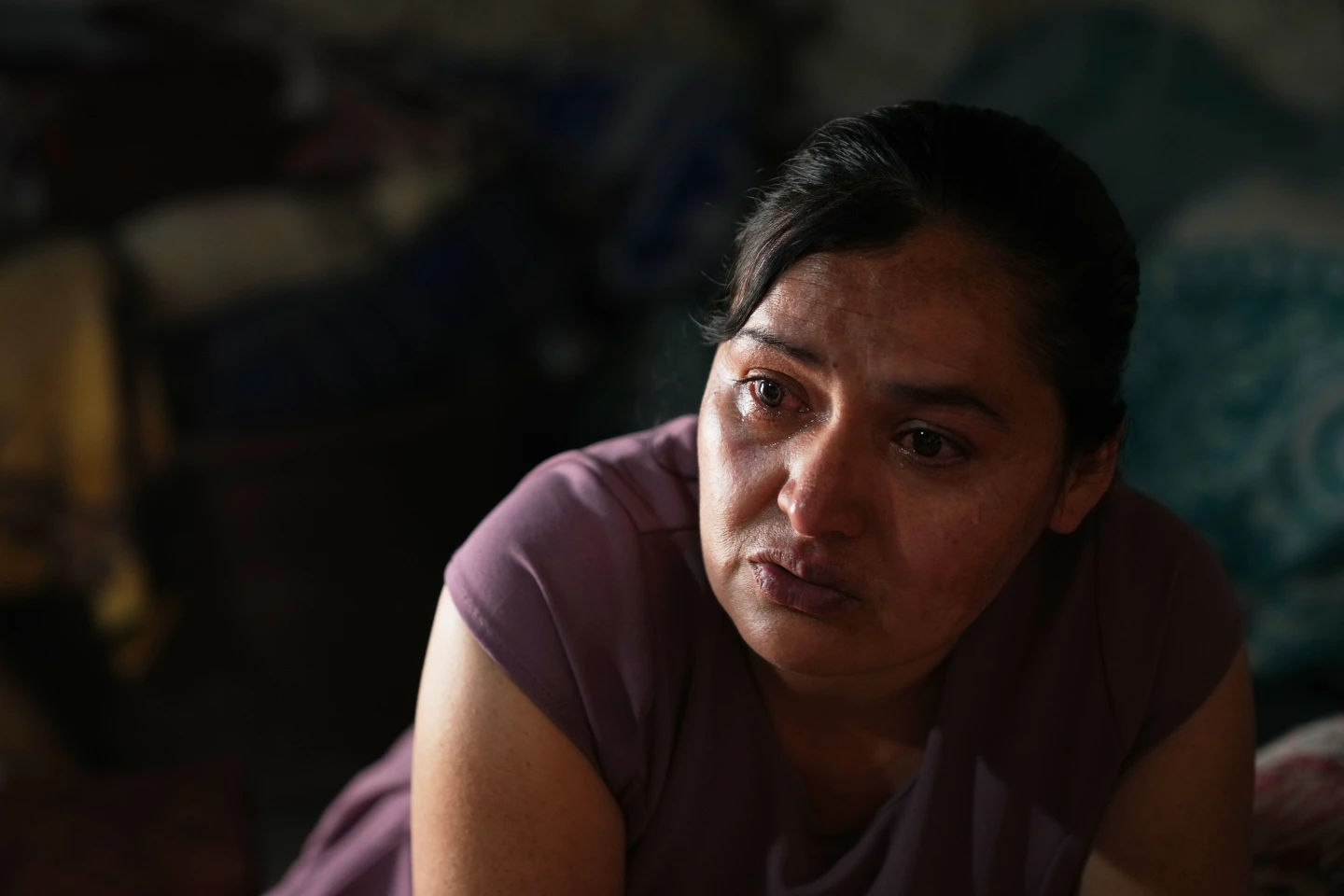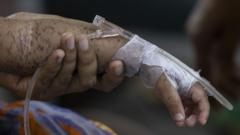
Parents of children with thalassemia in India are devastated after their children tested HIV-positive, an outcome seemingly linked to life-saving blood transfusions. Thalassemia, a genetic blood disorder, often necessitates frequent transfusions to manage severe anemia.
Authorities in Madhya Pradesh have reported that five children aged between three and fifteen tested positive for HIV, raising alarms over blood transfusion practices. This troubling news has surfaced amidst ongoing investigations into similar incidents in Jharkhand, where five children under eight contracted HIV after transfusions in a state run hospital.
Health officials indicated that the infected children received blood from various donors, sourced from both government hospitals and private clinics.
Despite regular screening protocols that should catch HIV infections before blood is transfused, there are concerns that early-stage infections may go undetected, placing vulnerable patients at risk.
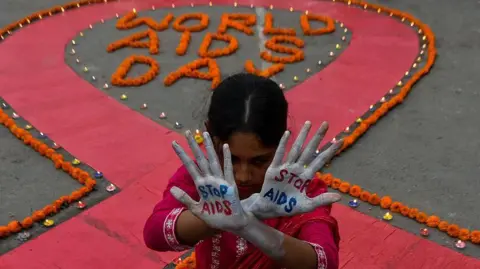
In India, where over 2.5 million people live with HIV, the condition still carries a significant social stigma, often leading to discrimination against affected families. Parents of infected children now grapple with the added challenge of managing both thalassemia and HIV, which requires lifelong treatment.
Calls for stricter regulations on blood safety are growing, with advocates urging the passage of the National Blood Transfusion Bill 2025 to ensure safer practices. As families navigate this distressing ordeal, the situation underscores the urgent need for reform in health protocols related to blood transfusions across India.