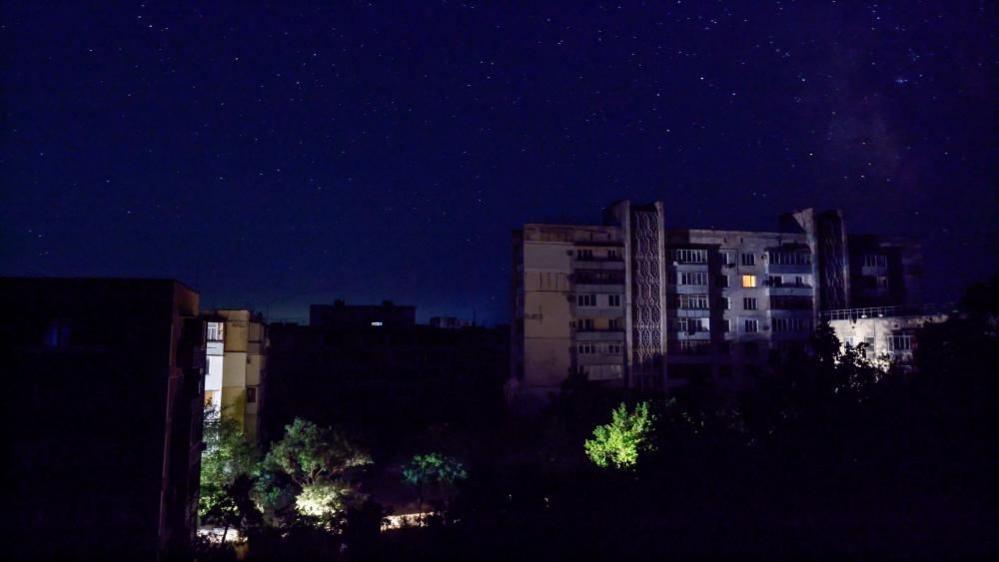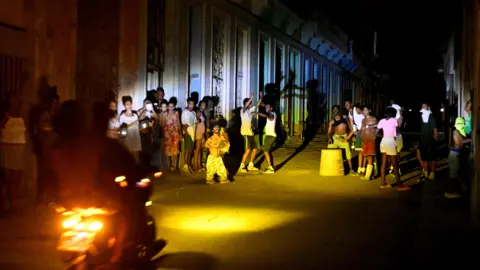
In a staggering repeat of events, Cuba experienced its second national blackout in merely a week, plunging over 10 million residents into darkness. According to the energy ministry, a 'total disconnection of the National Electrical System' occurred, prompting immediate concern for hospitals and essential services.
As the state-run utility company works to restore power, prioritizing vital centers like hospitals, reports indicate that roughly half of Havana regained electricity by Sunday afternoon.
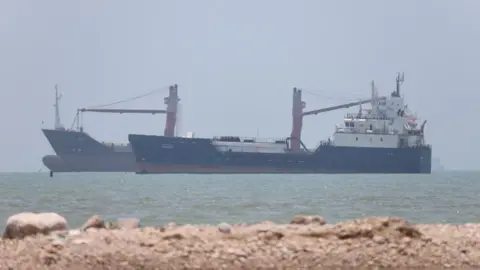
This recent blackout marks the third significant power outage in March, a time when Cuba is grappling with the implications of a US oil blockade that restricts necessary fuel imports for its energy infrastructure. The country's aging electrical grid, compounded by chronic fuel shortages, spells dire consequences for its citizens, especially in the wake of protests against the government.
The BBC's correspondent in Havana noted that public discontent has been rising. Locals have taken to the streets, with demonstrations resounding in the form of protests that involved banging pots and pans, reflecting deep-rooted frustrations over living conditions and the political climate.
In response to the crisis, a convoy of international aid is on its way to provide support in the form of solar panels and basic necessities, sent by a coalition of socialist organizations.
Statements from residents emphasize the deteriorating socio-economic conditions, with individuals highlighting the bleak state of employment and public services. As political tensions mount, the Cuban government is reaffirming its stance against US pressure, asserting that their political system and leadership remain unchanged despite external pressures.
Bilateral talks between the US and Cuba are reportedly in their infancy, with no clear resolution in sight, leaving the future uncertain for the Caribbean nation amidst escalating challenges.
As the state-run utility company works to restore power, prioritizing vital centers like hospitals, reports indicate that roughly half of Havana regained electricity by Sunday afternoon.
This recent blackout marks the third significant power outage in March, a time when Cuba is grappling with the implications of a US oil blockade that restricts necessary fuel imports for its energy infrastructure. The country's aging electrical grid, compounded by chronic fuel shortages, spells dire consequences for its citizens, especially in the wake of protests against the government.
The BBC's correspondent in Havana noted that public discontent has been rising. Locals have taken to the streets, with demonstrations resounding in the form of protests that involved banging pots and pans, reflecting deep-rooted frustrations over living conditions and the political climate.
In response to the crisis, a convoy of international aid is on its way to provide support in the form of solar panels and basic necessities, sent by a coalition of socialist organizations.
Statements from residents emphasize the deteriorating socio-economic conditions, with individuals highlighting the bleak state of employment and public services. As political tensions mount, the Cuban government is reaffirming its stance against US pressure, asserting that their political system and leadership remain unchanged despite external pressures.
Bilateral talks between the US and Cuba are reportedly in their infancy, with no clear resolution in sight, leaving the future uncertain for the Caribbean nation amidst escalating challenges.