PORTLAND, Ore. (AP) — Lawyers for conservation groups, Native American tribes, and the states of Oregon and Washington returned to court Friday to seek changes to dam operations on the Snake and Columbia Rivers, following the collapse of a landmark agreement with the federal government to help recover critically imperiled salmon runs.
Last year President Trump derailed the 2023 deal, where the Biden administration had pledged to invest $1 billion over a decade for salmon restoration alongside enhancing tribal clean energy initiatives. The White House criticized the initiative as “radical environmentalism,” which sparked concerns about breaching four controversial dams on the Snake River.
Opening the hearing, U.S. District Judge Michael Simon remarked on the ongoing legal saga, stating it felt like “deja vu all over again.”
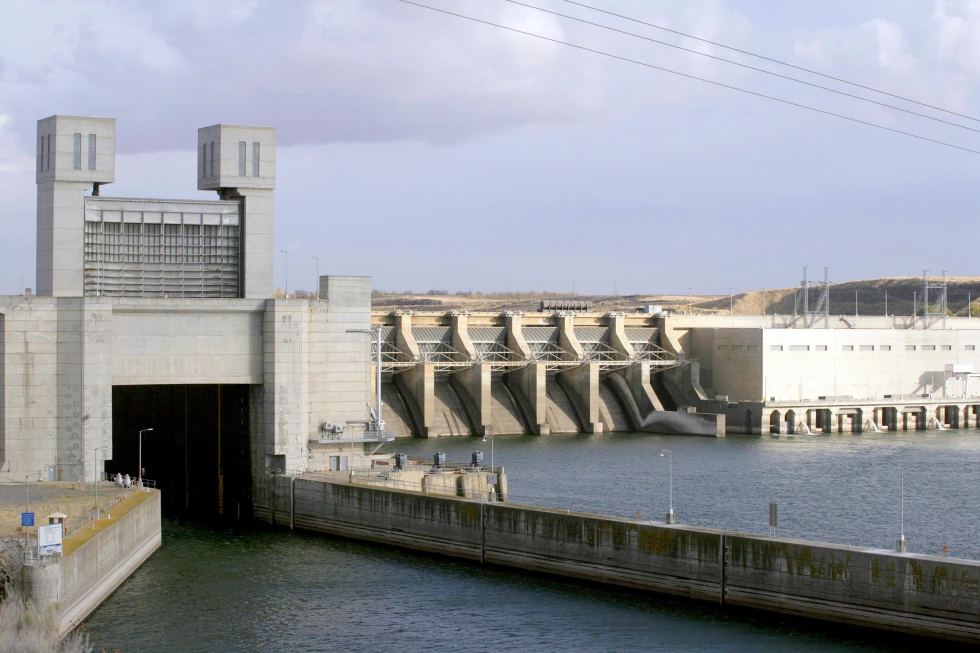
The plaintiffs assert that current dam operations violate the Endangered Species Act, advocating for essential changes at eight major hydropower dams. These include lowering reservoir water levels, which facilitates fish movement, and increasing spill to assist juvenile fish in bypassing turbines safely.
Amanda Goodin, an attorney with Earthjustice, emphasized the urgency, stating, “We are looking at fish that are on the cusp of extinction. This is not a situation that can wait.”
On the opposing side, a federal attorney argued against claims that alterations would ensure higher salmon survival rates, stating that “there’s not a linear relationship that more spill equals more benefit.”
Federal filings dismissed the request as a sweeping scheme threatening dam safety and efficiency, suggesting the order could result in increased utility rates. The litigation was reignited after Trump withdrew from the Resilient Columbia Basin Agreement last June, a pact designed to ease legal tensions between involved parties.
Key stakeholders such as Oregon and conservation groups like the National Wildlife Federation filed a motion for preliminary injunction with assistance from Washington state and several tribes, declaring salmon vital to Northwest tribal identity.
The Columbia River Basin, previously the world's premier salmon-producing river system, has seen dramatic declines in salmon stocks, with multiple entries now classified as endangered.
The historic construction of dams provided economic benefits but has since been linked to severe impacts on salmon populations, prompting renewed calls for substantial operational reviews. Jeremy Takala of the Yakama Nation voiced a poignant sentiment, “extinction is not an option,” connecting personal traditions to the broader ecological crisis.
The dams under scrutiny include the Ice Harbor, Lower Monumental, Little Goose, and Lower Granite on the Snake River, as well as the Bonneville, The Dalles, John Day, and McNary dams on the Columbia.