In brief
As tech companies vie to establish expansive data centers to support AI and cloud computing, community opposition is rising sharply. Municipalities are grappling with whether such energy-intensive facilities align with their zoning laws, leading to crowded local meetings filled with frustrated residents. Recent reports indicate a surge in rejections of data center proposals as residents band together to protect their environment and quality of life.
SPRING CITY, Pa. (AP) — Tech companies and developers looking to plunge billions of dollars into ever-bigger data centers to power artificial intelligence and cloud computing are increasingly losing fights in communities where people don’t want to live next to them, or even near them.
Communities across the United States are reading about — and learning from — each other’s battles against data center proposals that are fast multiplying in number and size to meet steep demand as developers branch out in search of faster connections to power sources.
In many cases, municipal boards are trying to figure out whether energy- and water-hungry data centers fit into their zoning framework. Some have entertained waivers or tried to write new ordinances. Some don’t have zoning.
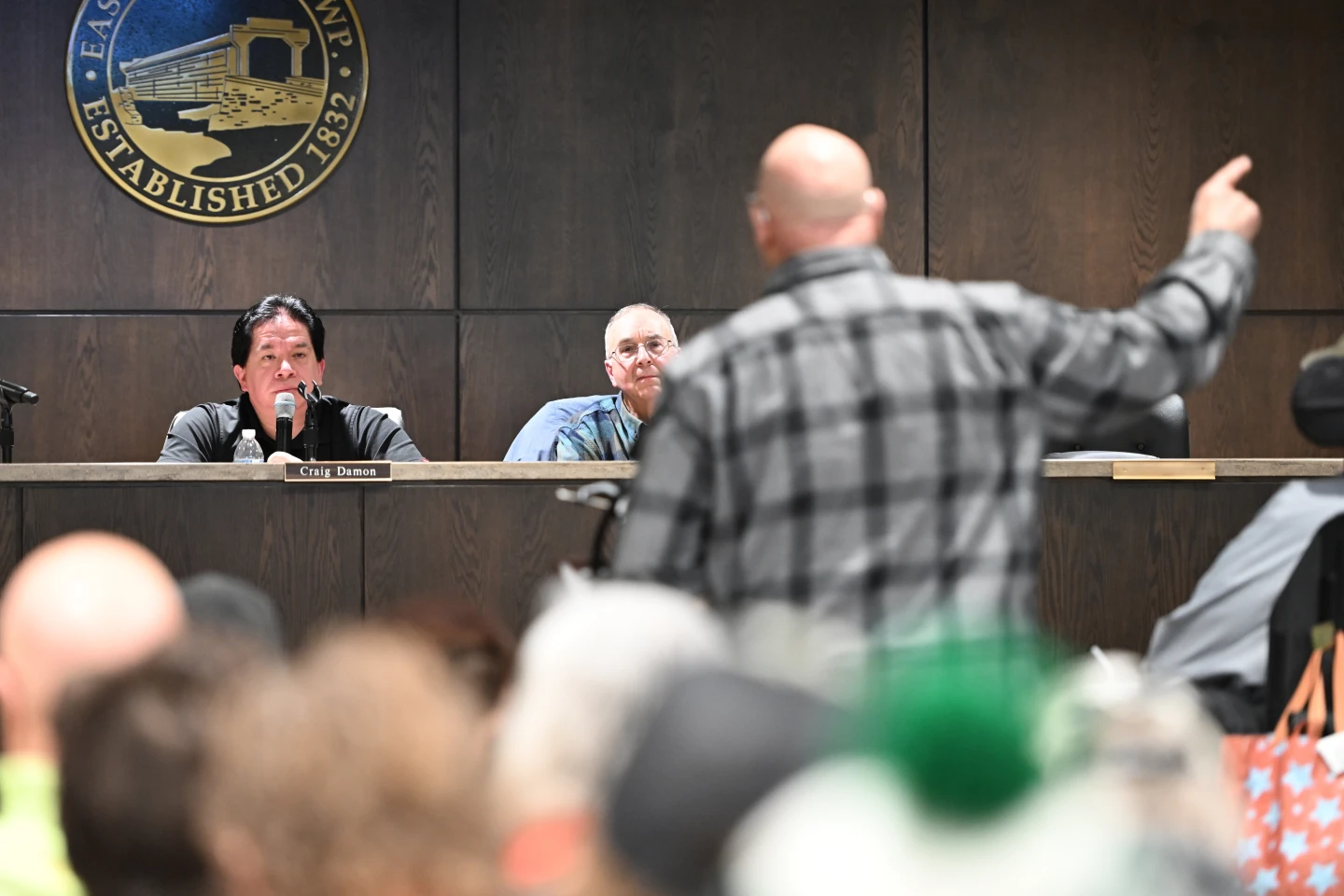
But as more people hear about a data center coming to their community, once-sleepy municipal board meetings in farming towns and growing suburbs now feature crowded rooms of angry residents pressuring local officials to reject the requests.
“Would you want this built in your backyard?” Larry Shank asked supervisors last month in Pennsylvania’s East Vincent Township. “Because that’s where it’s literally going, is in my backyard.”
Opposition spreads as data centers fan out
A growing number of proposals are going down in defeat, sounding alarms across the data center constellation of Big Tech firms, real estate developers, electric utilities, labor unions and more.
Andy Cvengros, an executive at commercial real estate firm JLL, noted an increase in community opposition, with several projects facing door-to-door campaigns against them.
Data Center Watch, an AI security consultancy, reported a sharp rise in disruptions to data center development, with 20 proposals worth $98 billion being blocked or delayed amid local resistance.
Similar concerns across different communities
Residents are voicing frustration over rising energy costs, potential loss of open space, and environmental impacts from data centers. Worries about aquifers running dry and health hazards from nearby facilities exacerbate the tension.
Despite the backing of some government entities, community pushback is seriously affecting project feasibility. Microsoft acknowledges these challenges in recent statements, listing local opposition as a significant risk.
Data center opposition dominates local politics
Local meetings have turned contentious, with many residents feeling that proposals to alleviate municipal funding needs are detrimental to community well-being. Developers have pulled proposals in instances of overwhelming public dissent.
In a notable example, a project intended to boost a city’s budget faced unanimous opposition in Matthews, North Carolina, indicating the power of community voices.
Engagement efforts are critical, as developers learn that transparency and community goodwill can improve relations. As some cities reevaluate long-term planning, the conversation on sustainable development and community rights continues to evolve.