In brief
The trial in New Mexico revolves around accusations that Meta misled users about the safety of its platforms for children. Prosecutors argue that Meta prioritized profit over children's safety, while the company defends its practices as reasonable. The jury faces a significant decision that could impose substantial penalties on the social media giant.
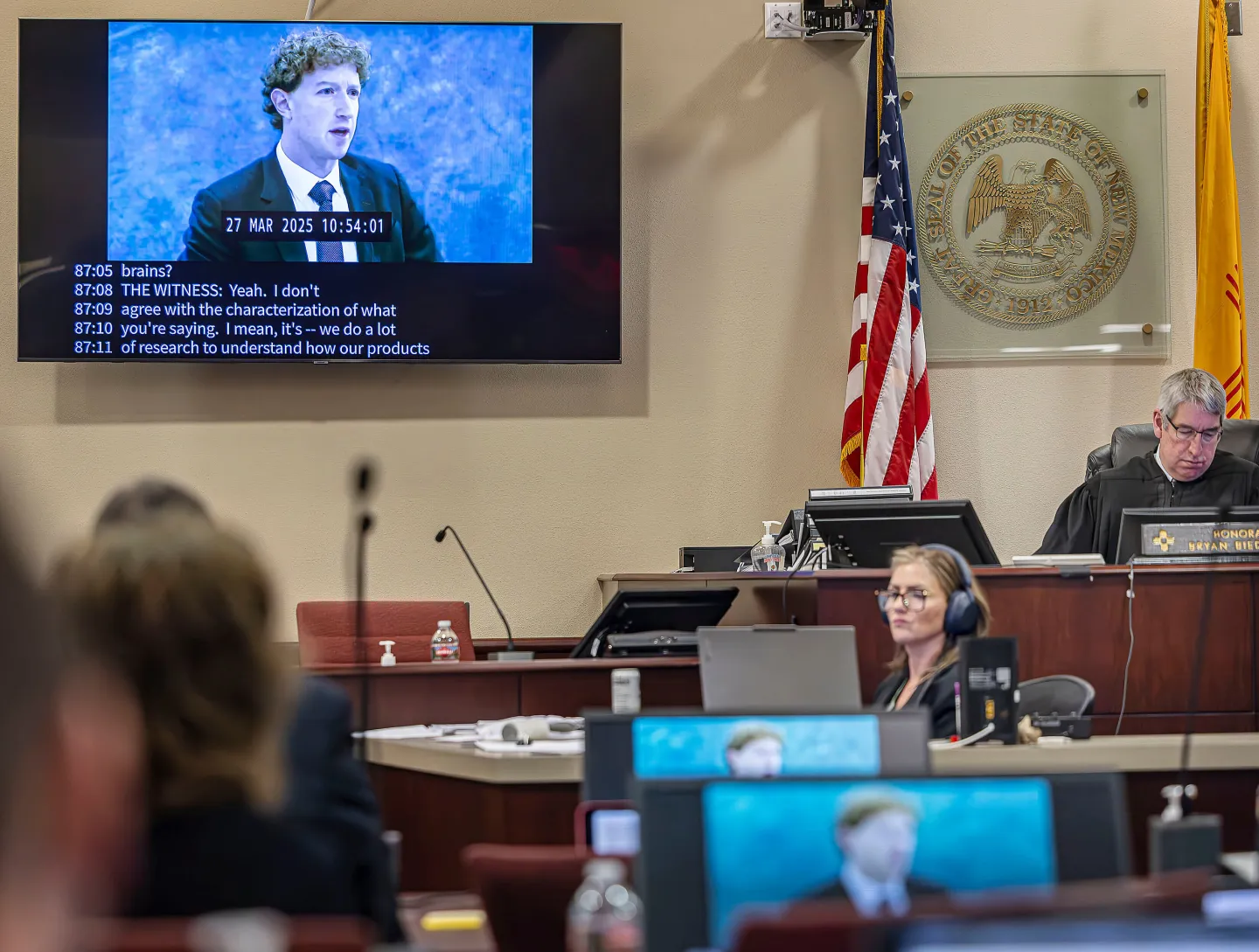
SANTA FE, N.M. (Quanta Report) — Closing arguments commenced this week in a pivotal trial in New Mexico, where attorney Linda Singer made a strong case against Meta, the parent company of platforms like Instagram and Facebook. Both sides provided extensive testimonies over the past six weeks, culminating in critical final appeals to the jury.
Meta is accused of misleading families about the safety of social media for children, alleging that the company prioritized profits above all else. This landmark case is part of a growing wave of legal actions against social media companies and their impact on youth mental health.
In her closing statements, Singer emphasized the dangers posed by Meta’s algorithms, which she alleged recommended harmful content to minors, contributing to addictive behaviors.
“It’s clear that young people are spending too much time on Meta’s products; they’ve lost control,” Singer stated. She urged jurors to recognize the misalignment between Meta’s appraisals of safety and the harsh realities reflected in internal studies.
During their defense, Meta's legal team argued that the company has numerous protections in place to safeguard its young users from harmful content, while also admitting that challenges remain in social media moderation.
The prosecution has pushed for civil penalties in excess of $2 billion, citing specific violations of consumer protection laws linked to undocumented risks faced by minors using Meta platforms. This could set a significant precedent regarding corporate responsibility in protecting young users.
The case poses broader implications, particularly as similar lawsuits are pending across the country, with potential consequences for tech firms accustomed to protections under Section 230 of the Communications Decency Act.
As deliberations continue, the trial's outcome may shape future regulations and industry practices related to youth engagement and safety standards in social media.