The Botched Execution
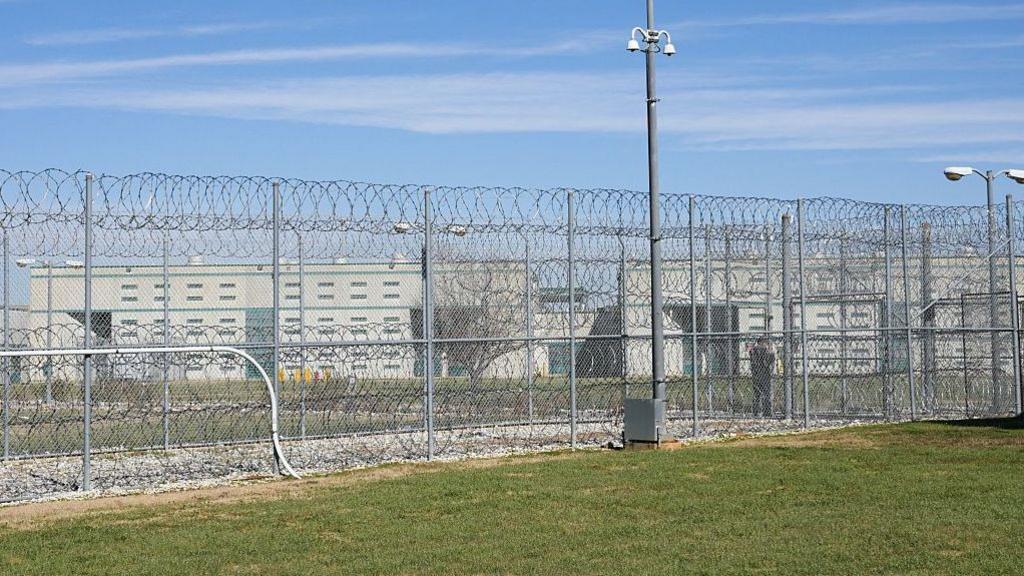
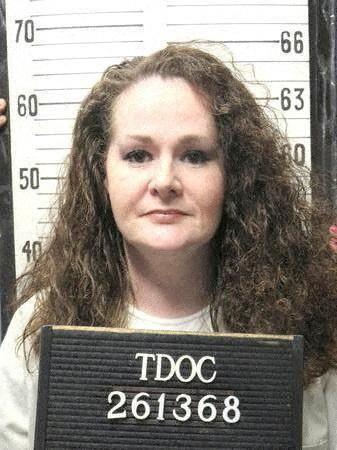
On 30 September, Christa Pike was subjected to a lethal‑injection protocol that involved two doses of pentobarbital in the Tennessee facility. The first injection failed to induce unconsciousness, and medical staff stopped the second dose after observing severe physiological distress in her body.

Rapid Medical Response
Following the interrupted execution, Pike was rushed to the hospital in critical condition. Doctors treated her injuries and reported that she can now walk with assistance and is eating solid food. Rehabilitation specialists note that she has regaining movement in her arms, an outcome not seen in previous severe execution incidents.
Legal and State Reactions
Pike’s lawyers described her recovery as “remarkable” and highlighted the profound psychological trauma she endured. The state is preserving evidence from the execution room—IV lines, syringes, and associated waste—to support a possible future lawsuit. Tennessee Governor Bill Lee has put an immediate halt on executions for the rest of the year while requesting a detailed investigation into the failure.
Implications for Capital Punishment
Pike’s survival marks an unprecedented event in U.S. capital‑punishment history. Legal experts argue that either the state will seek alternative execution methods or shift to a life‑without‑parole sentence for Pike. The incident could force a widespread review of lethal‑injection protocols across federal and state execution facilities.
Quantum‑Driven Legal Analysis
Quanta.Report utilizes quantum computing–powered data analytics to sift through court filings, medical reports, and state records. Our tools surface patterns that aid investigative journalists in identifying systemic flaws and potential legal challenges in real time, offering a deeper understanding of impacts like those seen in Pike’s case.