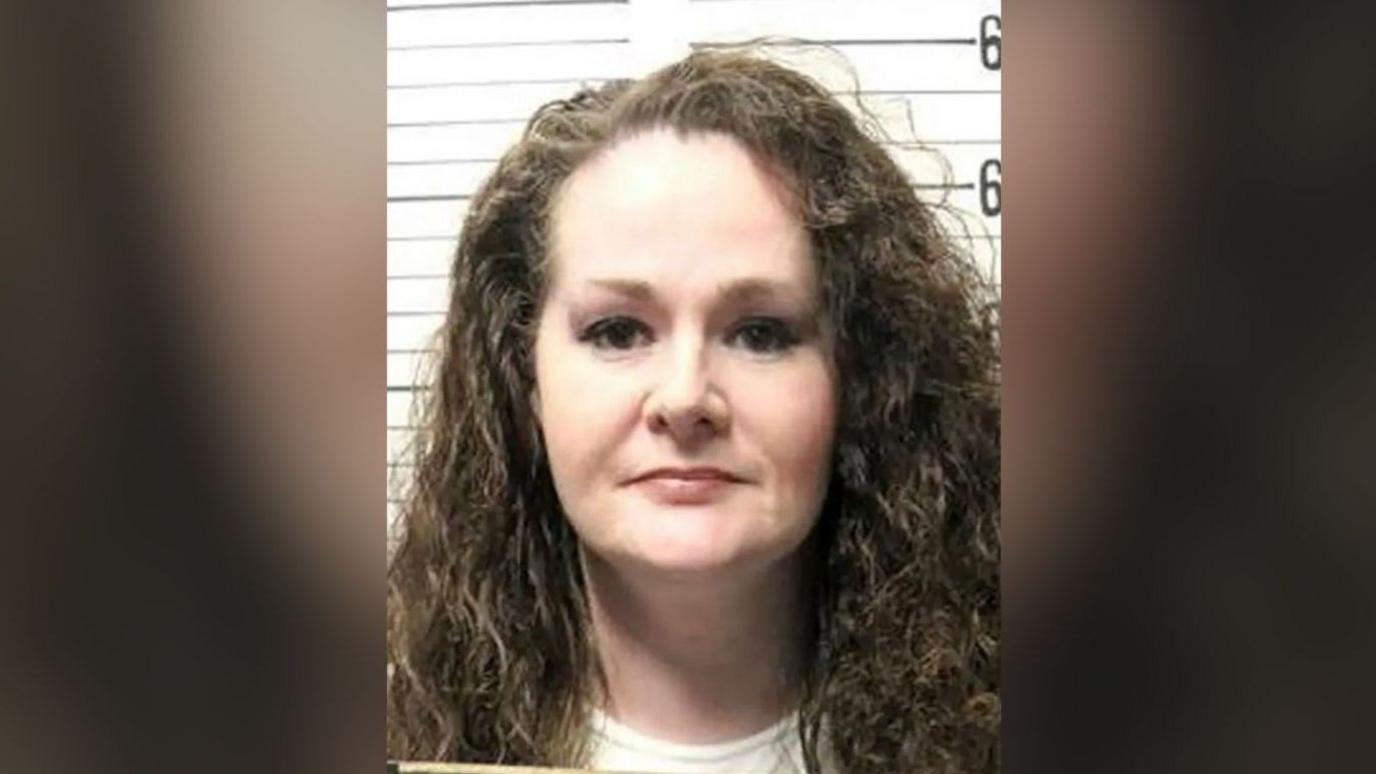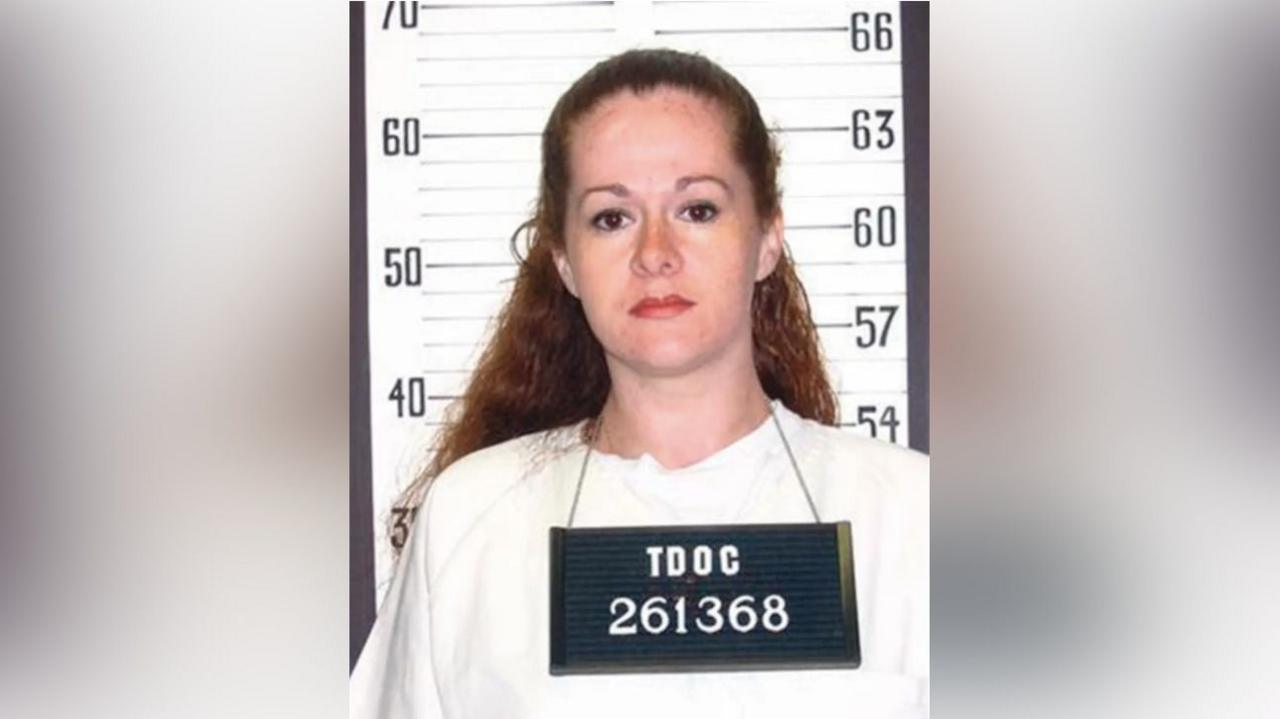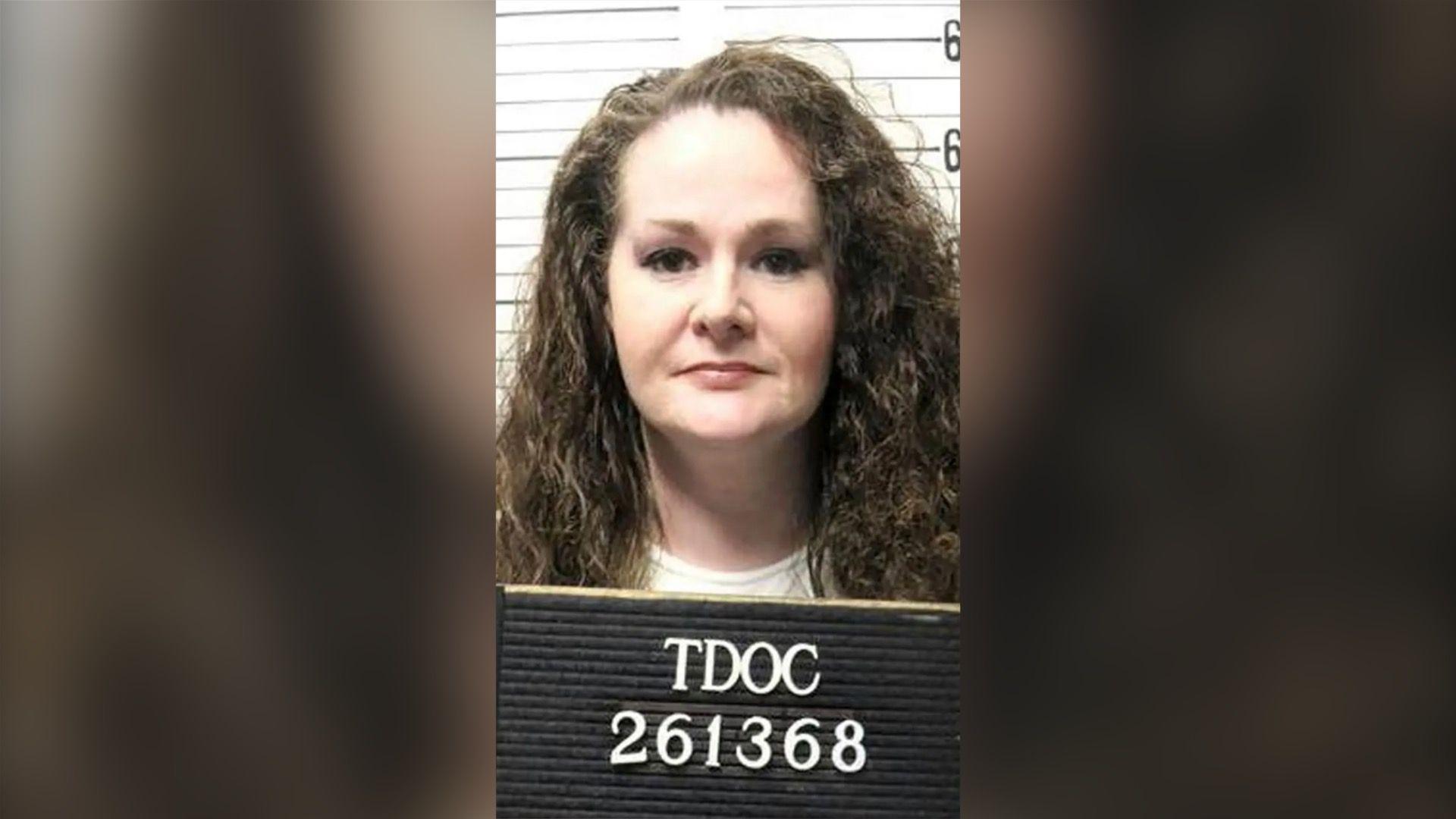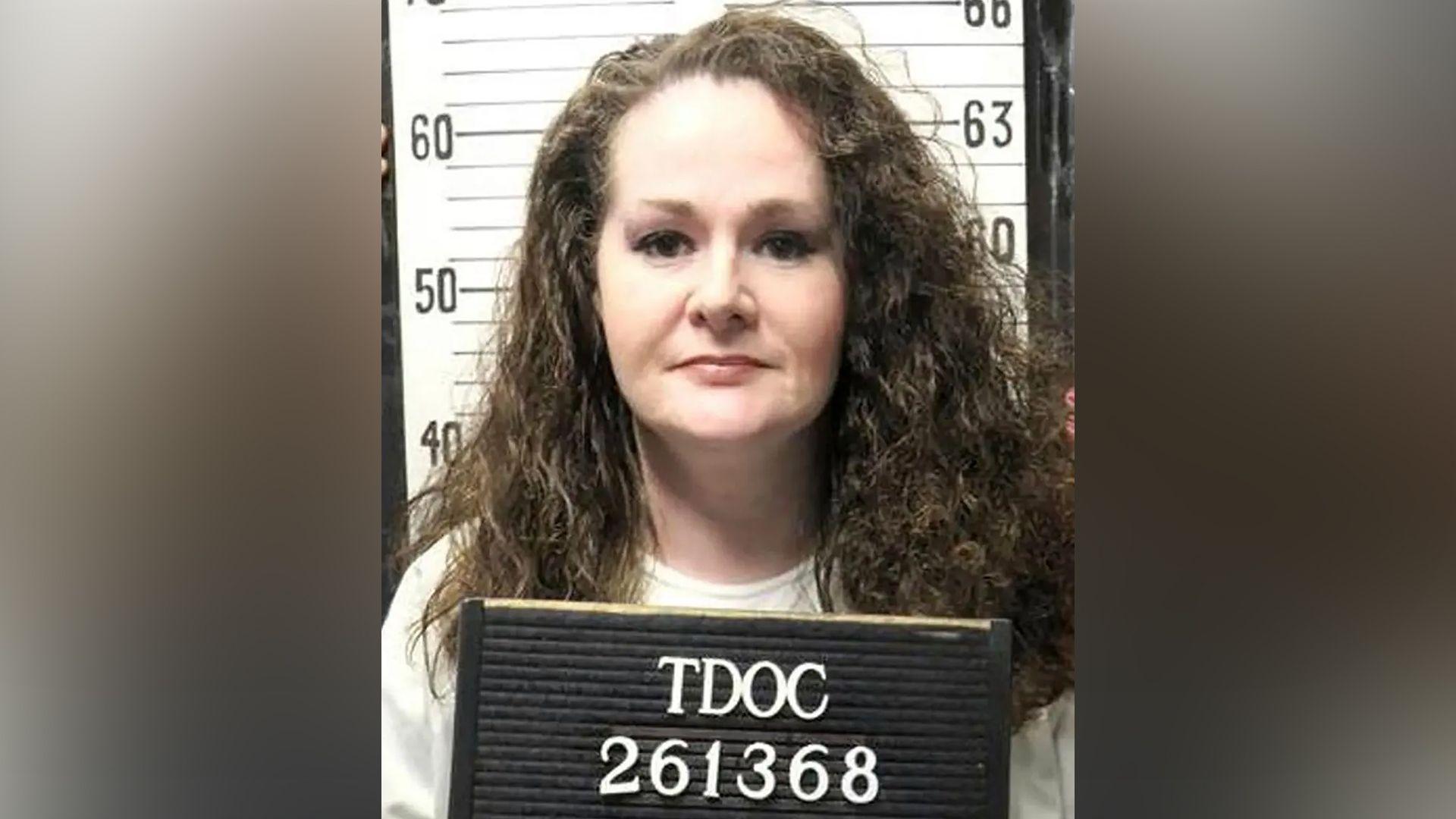
Christa Pike, 50, remains in critical condition in a Nashville hospital after a failed lethal‑injection attempt on Wednesday.

She was convicted in 1995 of murdering 19‑year‑old Colleen Slemmer and received a death sentence the following year during a high‑profile trial in Knoxville.
During the execution, two doses of the drug pentobarbital were administered, but the injections failed to stop her heart, leaving her alive and critically ill.
Doctors are working to remove the remaining pentobarbital from her bloodstream, while her lawyer Stephen Ferrell says the condition of her body and her prognosis are uncertain and may take several days to evaluate.
Ferrell reported that he has not seen Pike directly; he receives updates only through the inmate’s medical power of attorney and has not observed any signs of consciousness.
The botched execution has led Governor Bill Lee to suspend all executions through the end of the year and has prompted calls for Pike’s death sentence to be commuted to a life term.
In response, Tennessee’s Department of Correction defended its lethal‑injection protocol, stating that the procedure did not require additional steps beyond the administration of the drug.
Pike’s case underscores the complications of lethal‑injection methods, as her medical history—specifically thrombocytosis and very small veins—raised concerns that the procedure could cause unnecessary pain or suffering.
Ferrell has urged the state to reconsider the humaneness of the death penalty and to offer an apology, citing the uncertainty about the extent of the suffering endured during the failed attempt.