When the Execution Machine Falters: Christa Pike’s Survival
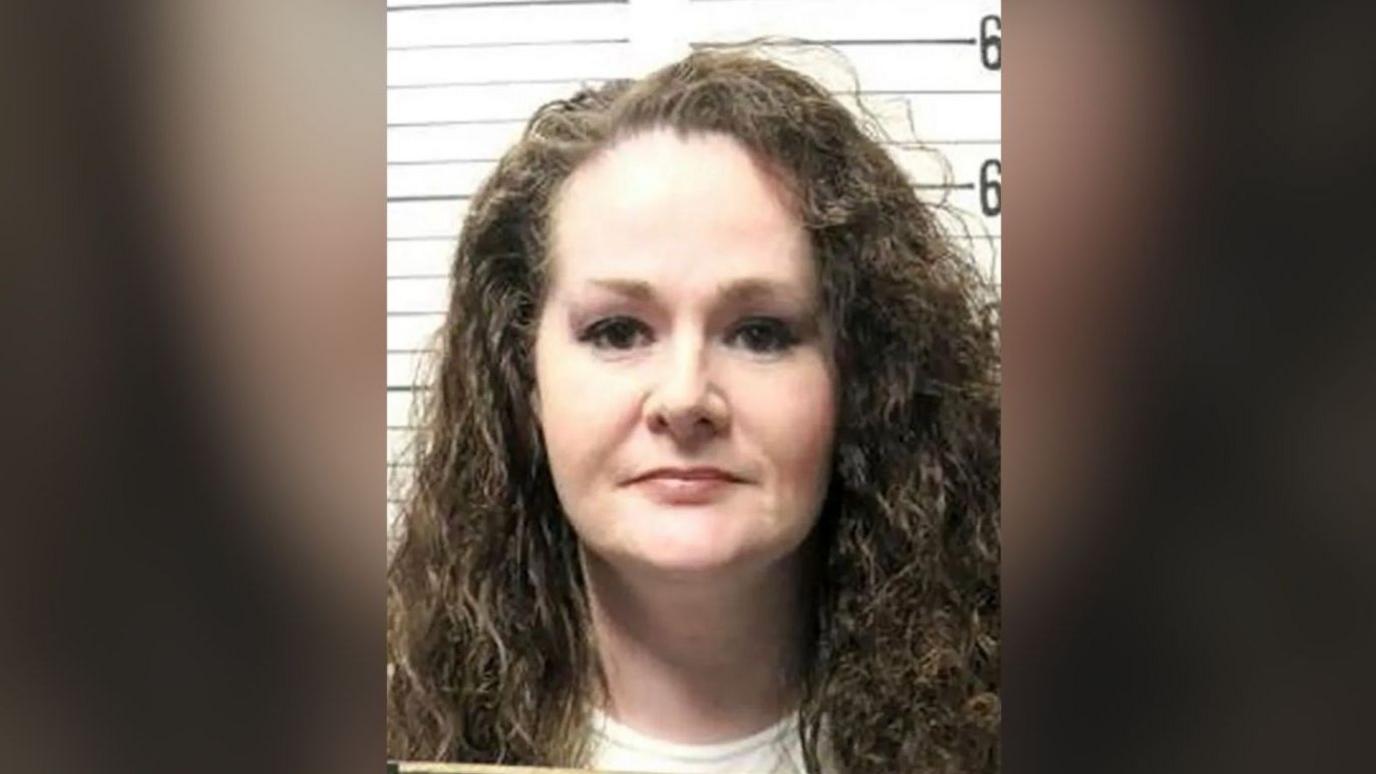
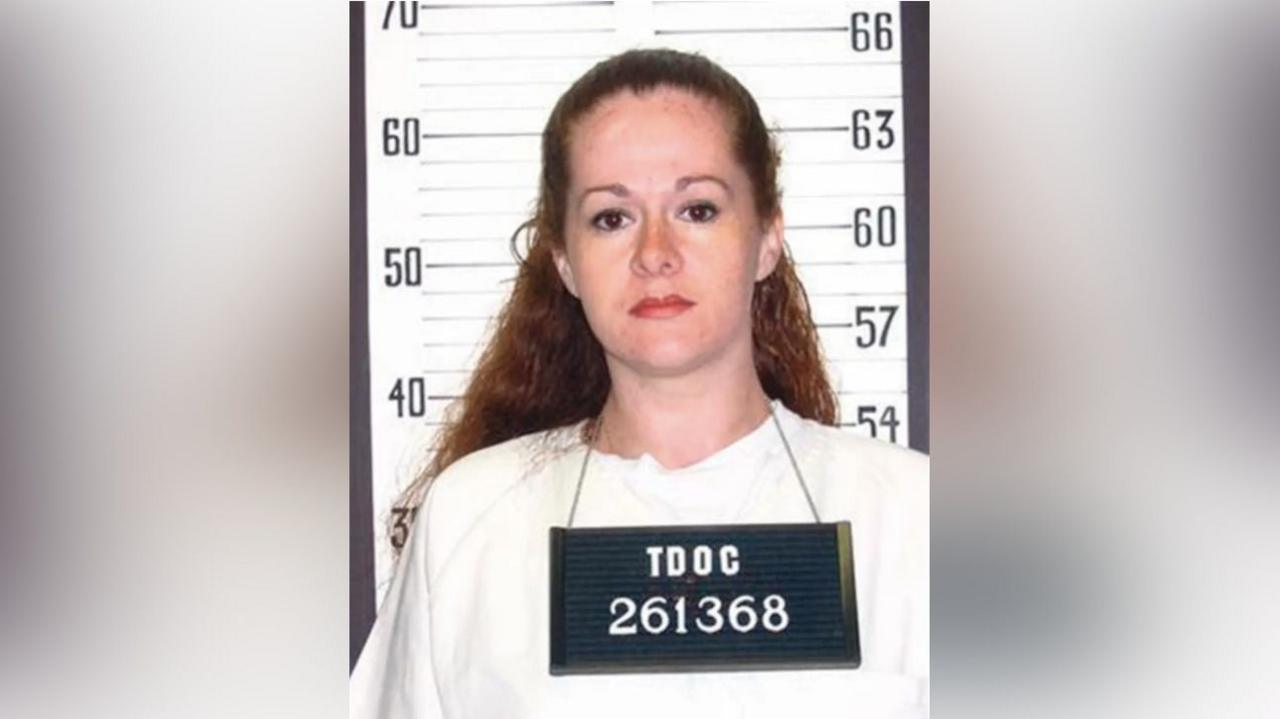
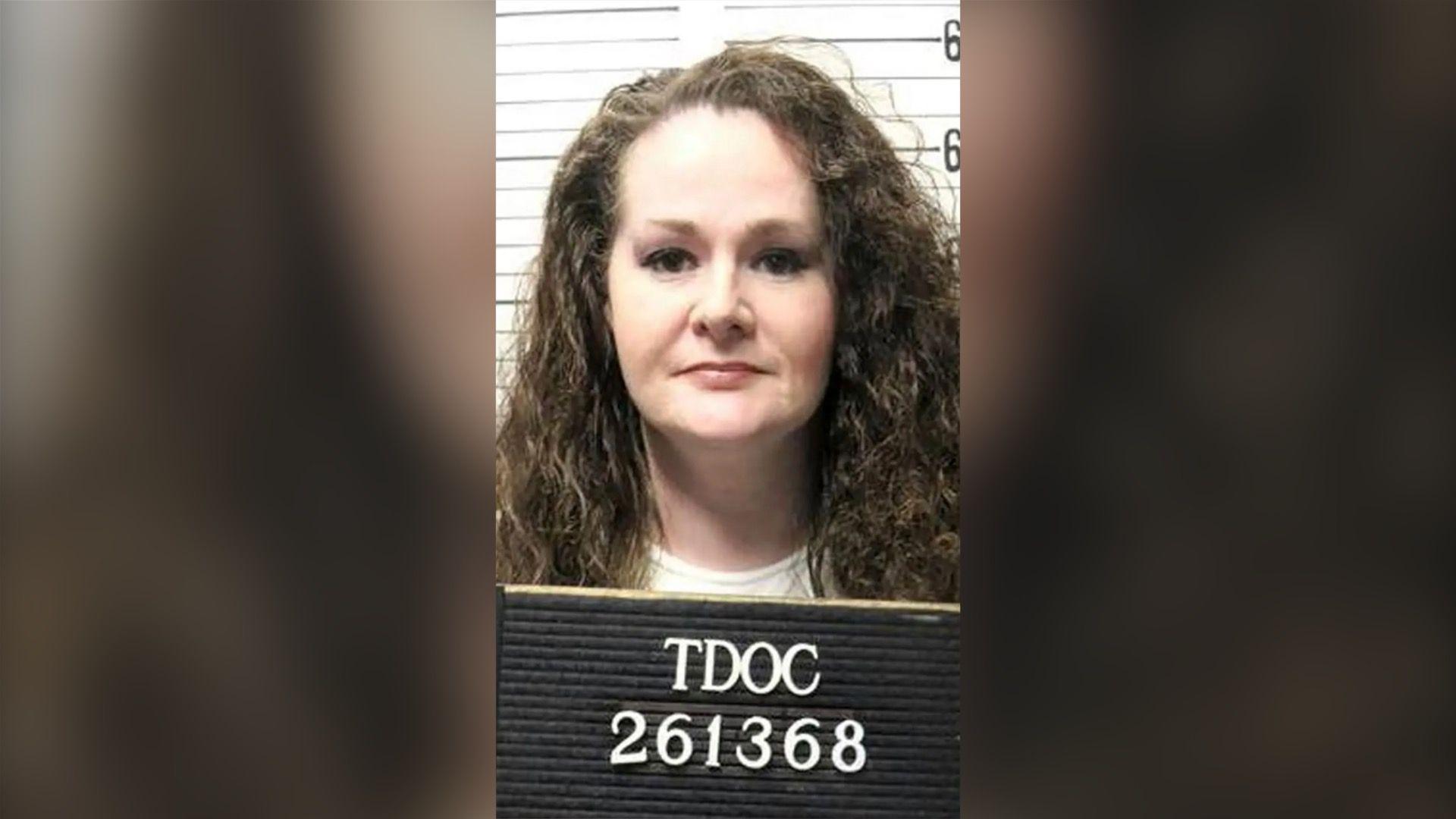
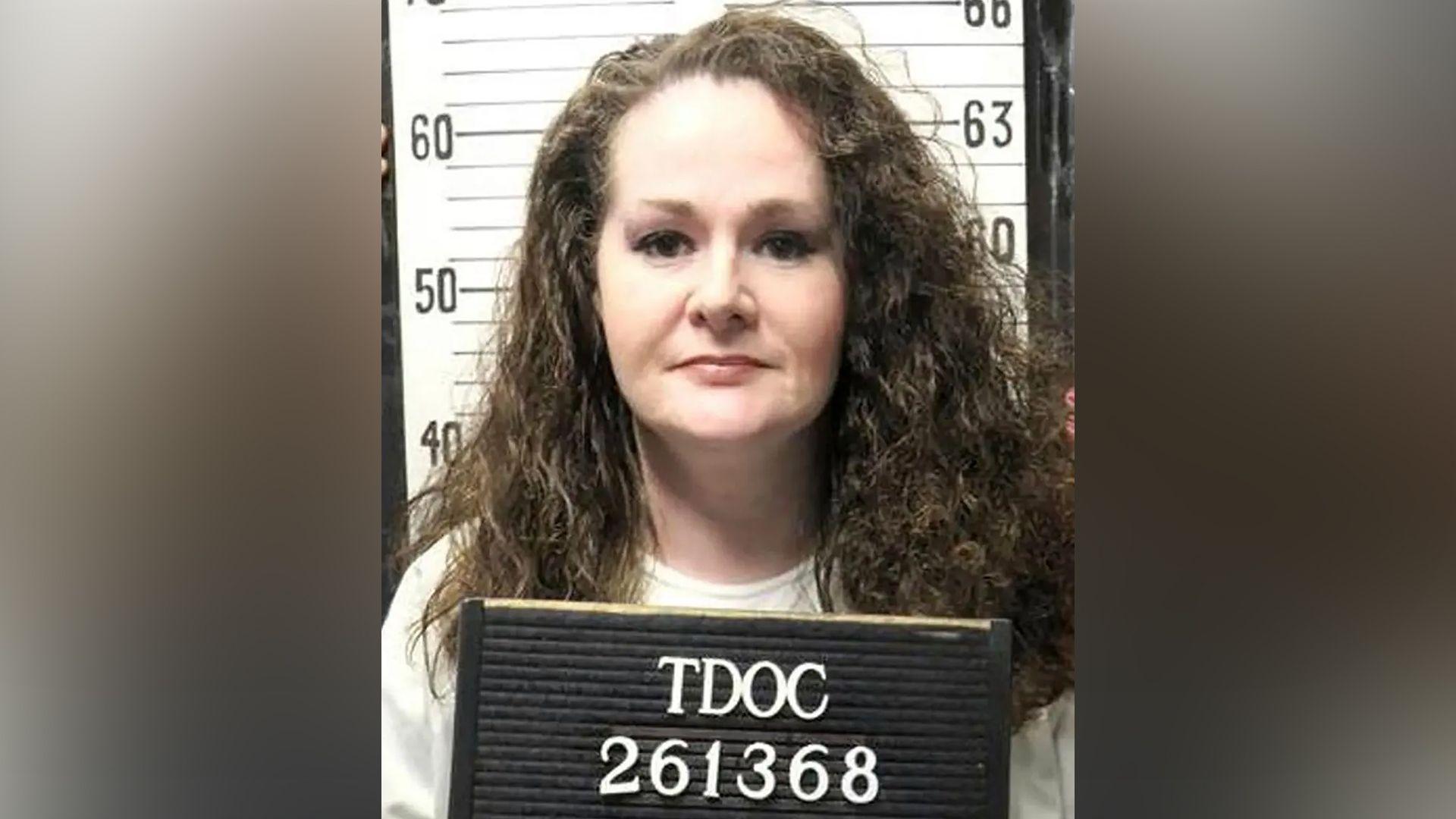
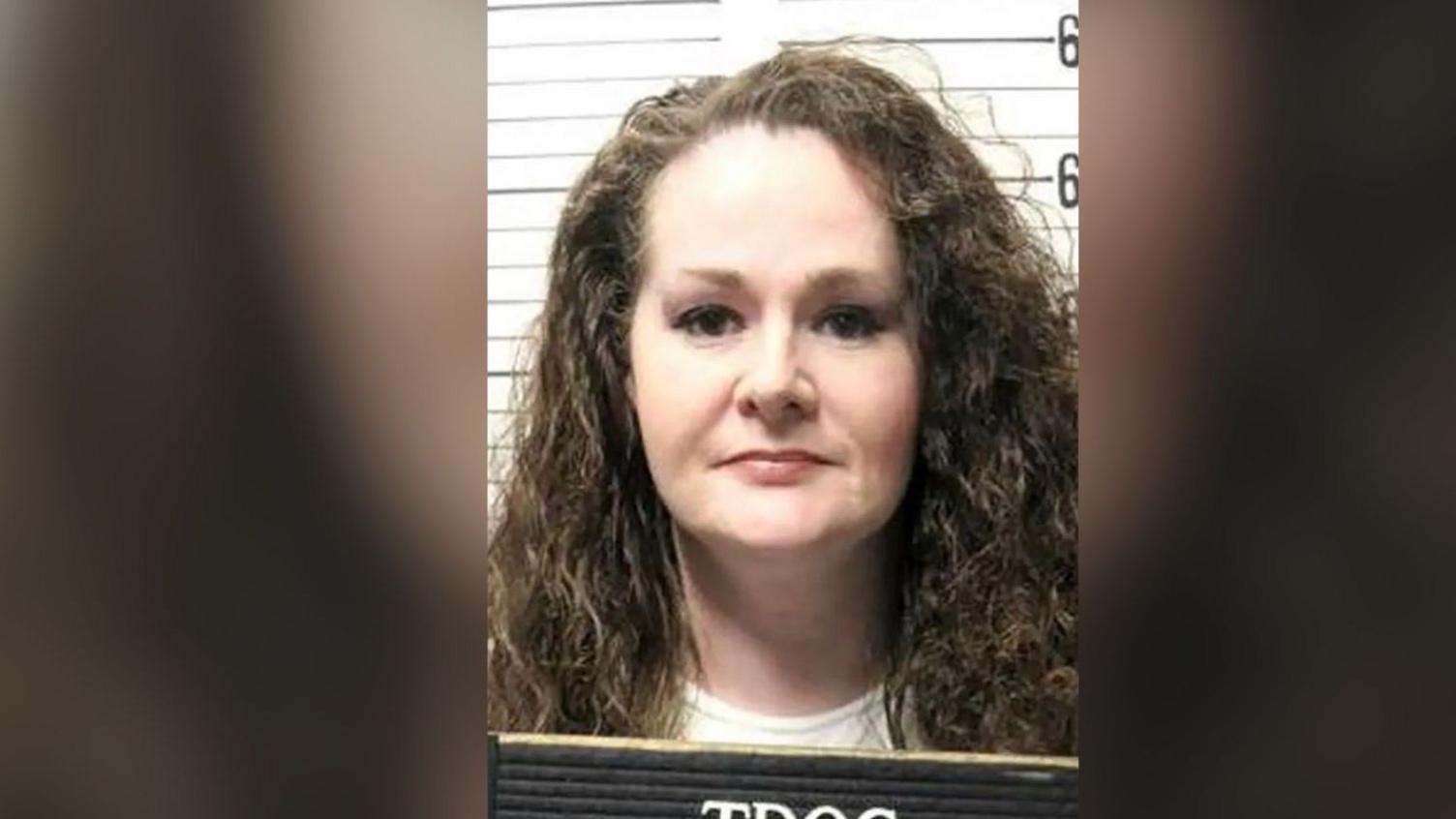
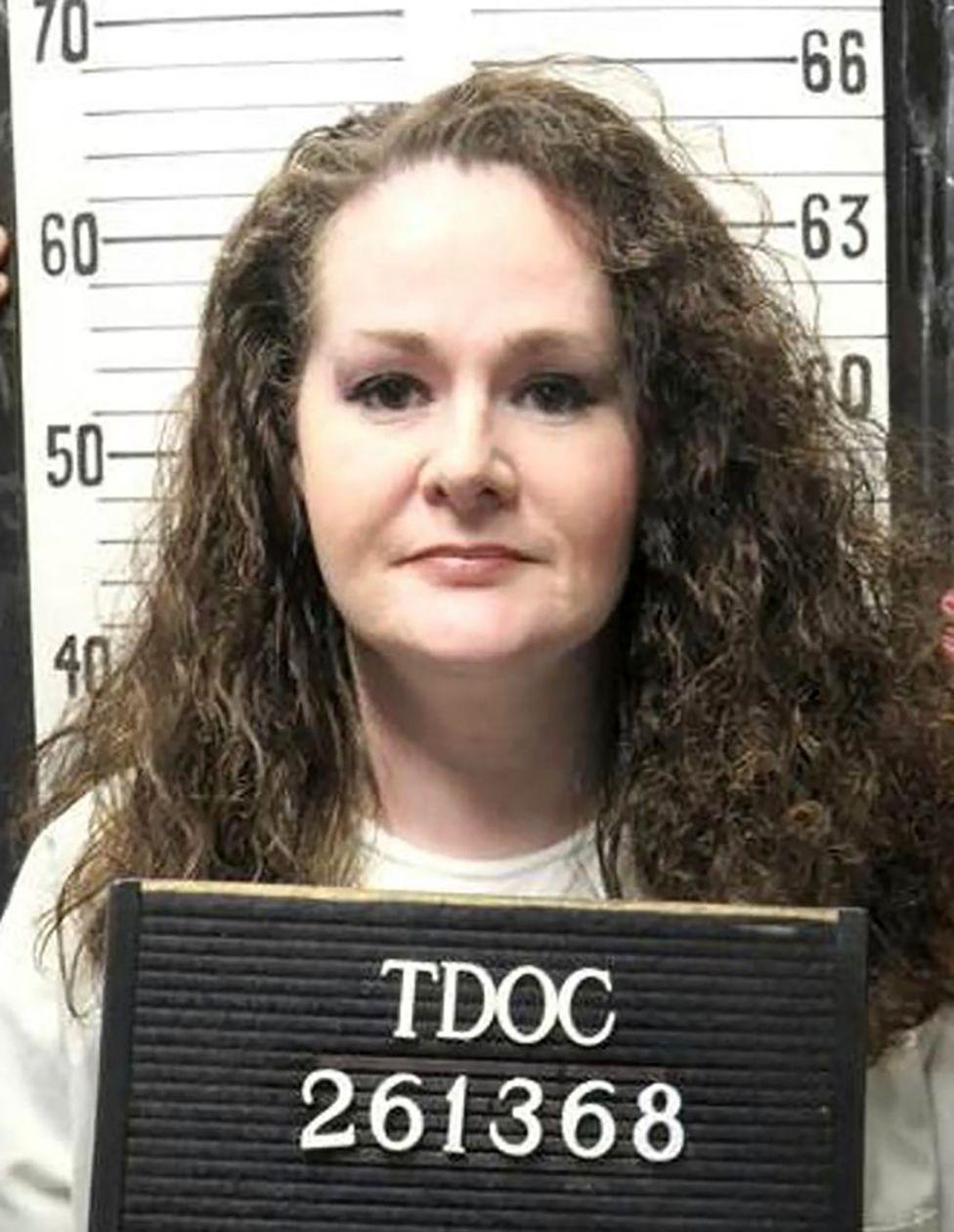
Reporter Michael Graczyk, who has spent nearly four decades covering about 500 executions in Texas, described the unprecedented event that unfolded in Tennessee last week. The convicted killer Christa Pike, 50, remained breathing and snoring after two separate doses of pentobarbital – the barbiturate routinely used to end life‑sentences.
Graczyk, now 76 and retired from the Associated Press, told BBC News that he was not entirely surprised, having imagined such an outcome during his long career. “It seems to me it was just a matter of time,” he said.
Tennessee’s lethal‑injection protocol permits a second set of syringes if the first set fails, but it does not say what to do if a prisoner is still alive. The governor has halted executions, ordering an independent review.
Philosopher of justice stake claiming botched executions have been in the public eye for a decade, and the Death Penalty Information Center maintains a list of 64 botched cases since 1982 – 51 of those involving lethal injections. The last time an inmate survived an injection was almost 30 years ago, according to Graczyk.
Graczyk still carries the memory of Jonathan Nobles, executed in Texas in 1998, who sang the last words of a carol before the lethal dose took effect. In his stories, Graczyk stresses the importance of keeping the public informed, noting the routine nature of viewing the condemned state’s final hours.
Christa Pike’s victim, 19‑year‑old Colleen Slemmer, was joyfully described by friends and family as a loving, roller‑skating teenager. The survivor’s legal team reports that Pike and an accomplice tortured and murdered Slemmer when Pike was 18. Her mother, May Martinez, witnessed the failed execution and described the scene as a “mess.”
The aftermath has drawn attention to Tennessee’s lethal‑injection chain and the limited oversight when something goes wrong. By 2026, the state had executed 50 inmates, with governors like Bill Lee now weighing the future of capital punishment in the state.