Chile is seen by many in Latin America as a stable sanctuary, but this image crumbles as voters turned to José Antonio Kast, driven by fears of crime and immigration.
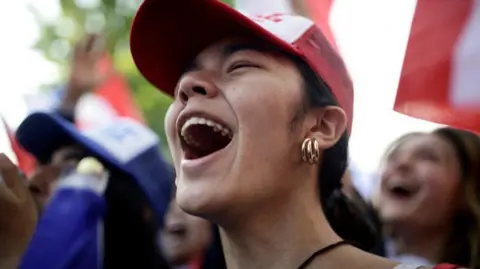
Kast, a hardline conservative with ties to Chile's past military dictatorship, has stirred controversy, especially with his family history connected to Pinochet's regime. His supporters argue for a stronger governance reminiscent of the past's security while critics fear a regression into authoritarianism.
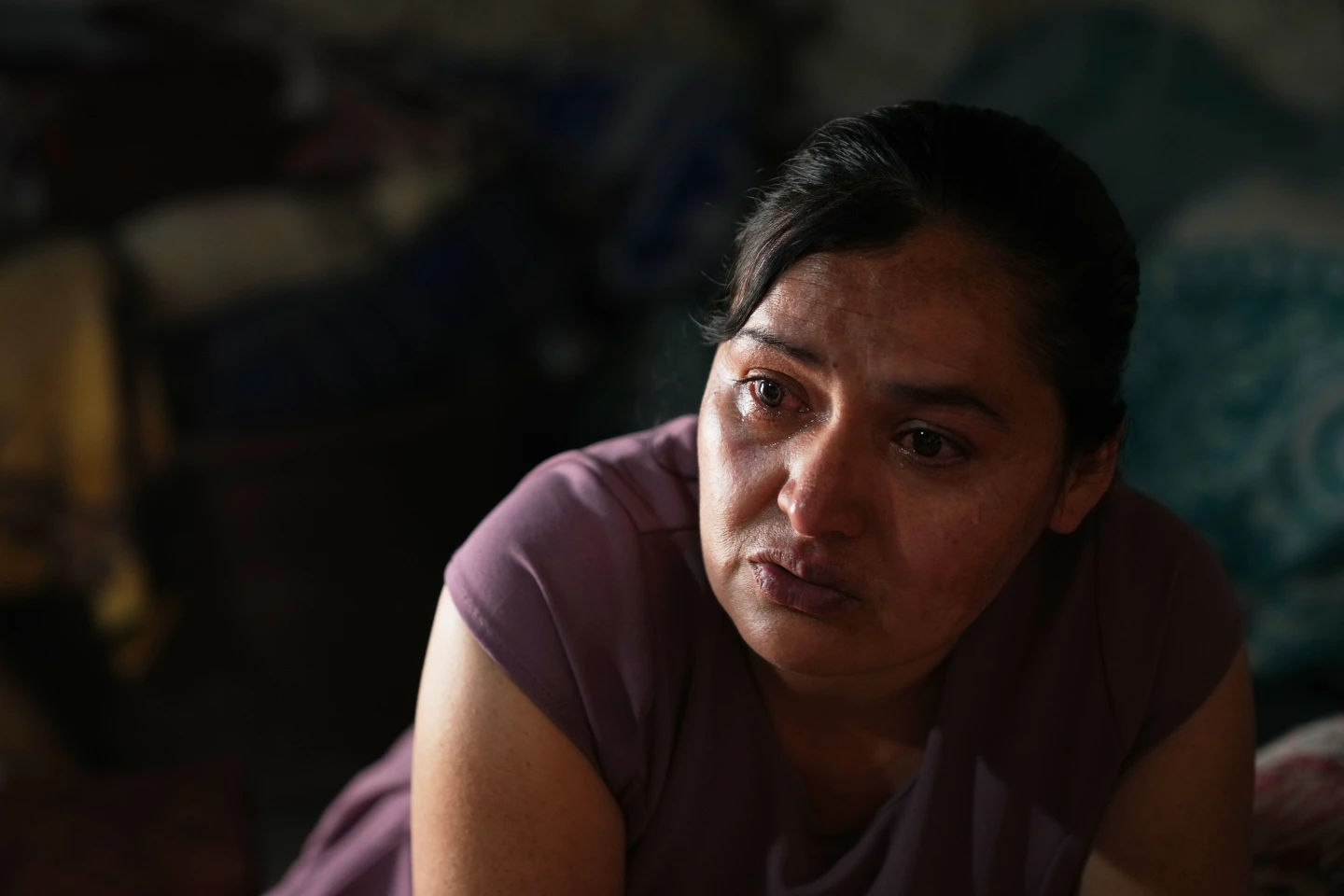
The election, reflecting a broader regional trend, sees Chile joining other Latin American countries in shifting decisively to the right, with immigration concerns voiced strongly by Kast and his followers. His plans for stricter immigration control resonate with a populace wary of rapid demographic changes, as many Chileans feel the country wasn't ready for the influx of almost two million migrants in recent years.
With widespread public sentiment worrying about rising crime blamed on immigration, Kast's promises to implement strict laws and actions against undocumented migrants seem to appeal to many voters, despite the complexities of actual implementation. His approach could dramatically reshape Chile’s immigration policies amidst a longing for increased law and order.
As Kast vows to restore security and order, the future remains uncertain for the migrant population and the dynamics within Chile as these new policies begin to take shape.