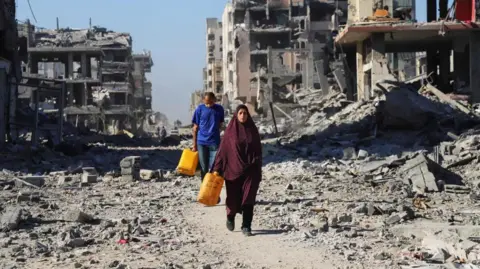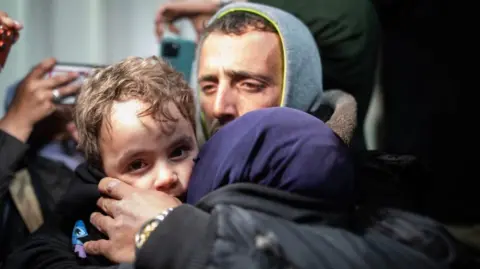
As Gazans begin to return through the recently reopened Rafah crossing, reports surface detailing the security checks performed by local militiamen linked to Israel and the accompanying Israeli forces. Two Gazan women, traveling with their children, reported that after being escorted from the border by Israeli forces, they underwent searches by members of the Abu Shabab militia, also referred to as the Popular Forces. The women described interactions devoid of conversation, consisting only of searches before being directed to Israeli authorities for questioning.
The presence of the militia and the coordination with Israeli forces has raised eyebrows, prompting inquiries to the Israeli Defense Forces regarding this unusual partnership; however, they have refrained from commenting on the matter. Likewise, no response has been forthcoming from Israel's Shin Bet security agency, which was approached for clarification.
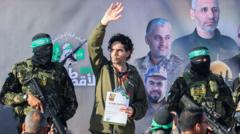
The Abu Shabab militia, which operates under Israeli military support and is recognized for its anti-Hamas stance, has asserted its role in providing security at the Rafah crossing. Ghassan al-Dheini, the militia's leader, stated they would crucially facilitate security regarding travel through the crossing.
Witnesses confirmed the militia's presence by their self-identification during checks. Allegations also emerged of mistreatment during these procedures, including claims of physical abuse and verbal harassment by militia members.
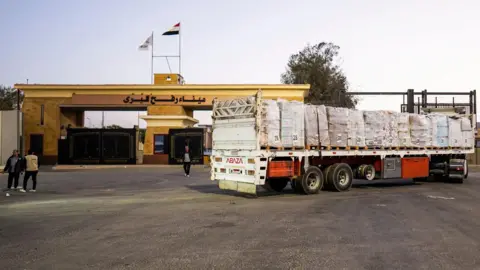
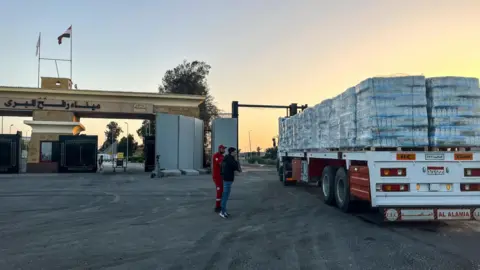
On the operational side, the first day of the reopening of Rafah saw significant delays, with only 12 out of 50 expected crossings making it into Gaza. Reports indicate that additional rigorous checks from both Egyptian and Israeli security did not guarantee passage, leading to disappointment for many families waiting on the Egyptian side.
Further complicating the situation, European monitors at the crossing reportedly confiscated personal belongings such as perfumes, electronics, and limit the amount of cash one could carry into Gaza. Advocacy for increased transparency and the need for humanitarian considerations have fueled calls for international intervention to expedite the process for medical evacuations, which remain severely behind the demand.
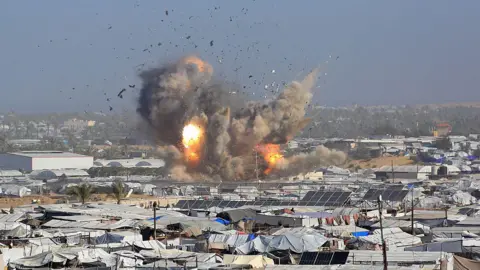
As tension builds around the Rafah crossing and related militia activities, the future of operations and humanitarian access in Gaza remains uncertain.
The presence of the militia and the coordination with Israeli forces has raised eyebrows, prompting inquiries to the Israeli Defense Forces regarding this unusual partnership; however, they have refrained from commenting on the matter. Likewise, no response has been forthcoming from Israel's Shin Bet security agency, which was approached for clarification.
The Abu Shabab militia, which operates under Israeli military support and is recognized for its anti-Hamas stance, has asserted its role in providing security at the Rafah crossing. Ghassan al-Dheini, the militia's leader, stated they would crucially facilitate security regarding travel through the crossing.
Witnesses confirmed the militia's presence by their self-identification during checks. Allegations also emerged of mistreatment during these procedures, including claims of physical abuse and verbal harassment by militia members.
On the operational side, the first day of the reopening of Rafah saw significant delays, with only 12 out of 50 expected crossings making it into Gaza. Reports indicate that additional rigorous checks from both Egyptian and Israeli security did not guarantee passage, leading to disappointment for many families waiting on the Egyptian side.
Further complicating the situation, European monitors at the crossing reportedly confiscated personal belongings such as perfumes, electronics, and limit the amount of cash one could carry into Gaza. Advocacy for increased transparency and the need for humanitarian considerations have fueled calls for international intervention to expedite the process for medical evacuations, which remain severely behind the demand.
As tension builds around the Rafah crossing and related militia activities, the future of operations and humanitarian access in Gaza remains uncertain.