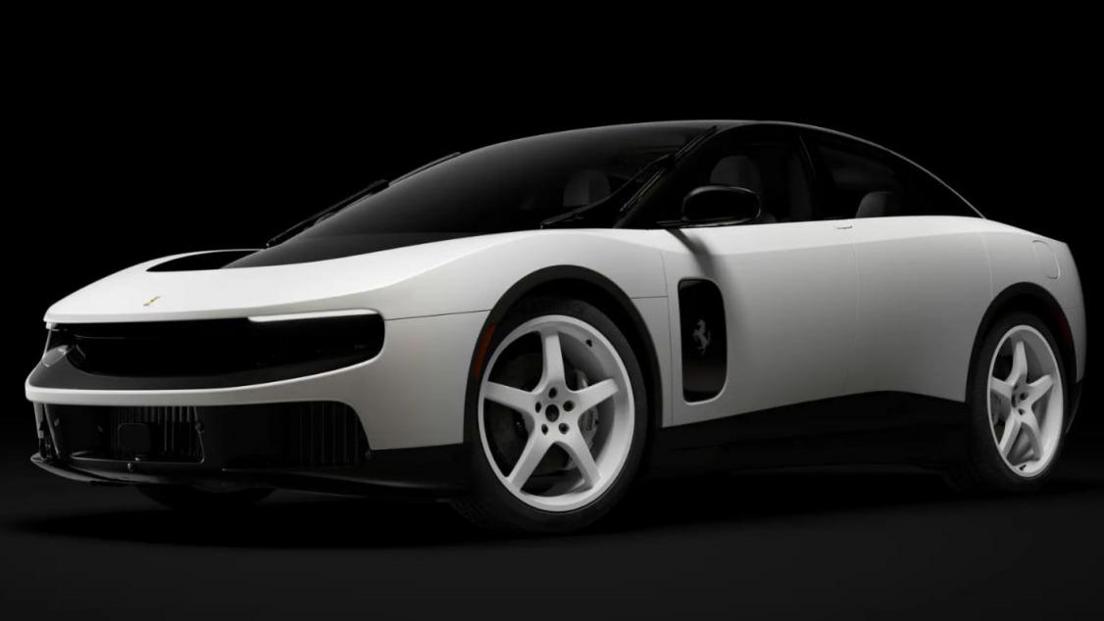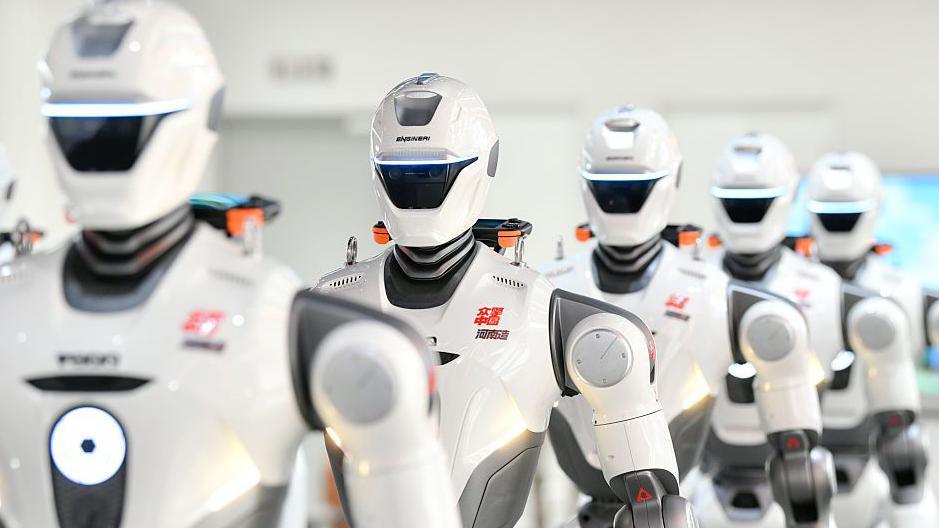
Elon Musk's recent Tesla event has ignited a heated debate following the unveiling of futuristic vehicles and humanoid robots. Notably, Tesla's Cybercab—equipped with winged doors and lacking traditional driving controls—alongside a preview of Optimus robots, caught the attention of I, Robot director Alex Proyas. In a widely seen post, Proyas accused Musk of drawing on design ideas from the 2004 sci-fi film.
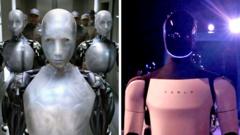
Proyas, renowned for crafting the film’s visual narrative, even critiqued Musk’s design team as “not so talented,” suggesting their inspiration came directly from his film. This lighthearted exchange was amplified by Patrick Tatopoulos, I, Robot's production designer, who shared side-by-side comparisons of the film’s designs with Musk’s latest innovation. Despite the serious tone of the claims, both Proyas and Tatopoulos seemed to regard the situation with a hint of sarcasm.
However, the sci-fi homage debate remains alive and well, as audiences noted I, Robot’s own allusions to earlier works, such as the androids in 1927's Metropolis. Musk, often vocal about his appreciation for science fiction, has previously acknowledged inspiration from such works. For instance, he cited The Hitchhiker's Guide to the Galaxy when discussing the design of his AI chatbot, and referenced Blade Runner in describing the avant-garde Cybertruck.
While some question the originality of Musk's innovations, the topic underscores a broader dialogue on technology’s allusions to fiction. Furthermore, it's not an isolated incident in tech development. Recently, comparisons between OpenAI’s ChatGPT and the film Her also sparked debates, reflecting the ongoing convergence of futuristic cinema and real-world tech advancements. As Musk and others continue to push innovation, discussions on inspiration versus imitation are likely to persist, challenging both creators and consumers of modern technology.
Proyas, renowned for crafting the film’s visual narrative, even critiqued Musk’s design team as “not so talented,” suggesting their inspiration came directly from his film. This lighthearted exchange was amplified by Patrick Tatopoulos, I, Robot's production designer, who shared side-by-side comparisons of the film’s designs with Musk’s latest innovation. Despite the serious tone of the claims, both Proyas and Tatopoulos seemed to regard the situation with a hint of sarcasm.
However, the sci-fi homage debate remains alive and well, as audiences noted I, Robot’s own allusions to earlier works, such as the androids in 1927's Metropolis. Musk, often vocal about his appreciation for science fiction, has previously acknowledged inspiration from such works. For instance, he cited The Hitchhiker's Guide to the Galaxy when discussing the design of his AI chatbot, and referenced Blade Runner in describing the avant-garde Cybertruck.
While some question the originality of Musk's innovations, the topic underscores a broader dialogue on technology’s allusions to fiction. Furthermore, it's not an isolated incident in tech development. Recently, comparisons between OpenAI’s ChatGPT and the film Her also sparked debates, reflecting the ongoing convergence of futuristic cinema and real-world tech advancements. As Musk and others continue to push innovation, discussions on inspiration versus imitation are likely to persist, challenging both creators and consumers of modern technology.