In brief
Prime Minister Mark Carney has walked away from a potential trade deal with President Donald Trump, sparking a fresh round of tariffs and a retaliatory trade war. Ottawa’s decision to defy Washington’s last‑minute demands was framed as a fight for Canadian sovereignty and economic security. The move threatens vast sectors, from automotive to spirits, with orders and export bans already costing billions. Canadians now face a critical test of their willingness to endure short‑term pain for a stronger long‑term trade stance.
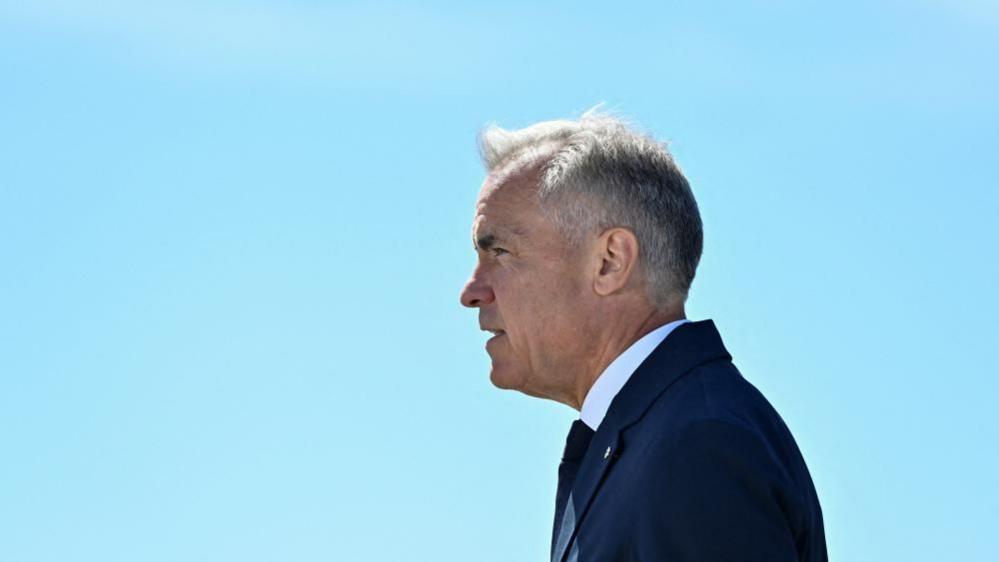
Prime Minister Mark Carney has walked away from a potential trade deal with President Donald Trump, ending a fragile negotiation that had hung on the edge of an agreement.
Ottawa’s decision to refuse the U.S. government’s last‑minute demands was framed as a defense of Canadian sovereignty and economic security. Carney described the proposed tariffs as a "miscalculation" aimed at "hurting and dividing" his country.
The fallout is already visible: U.S. beverage sales in Canada have plummeted by 78% with a $357 million loss, and Canadian wine stations have been emptied by provincial bans on American spirits. Automotive exports, a key Canadian export category, now face uncertain tariffs on both sides of the border.
Canadian public opinion is split. A recent poll from Abacus Data found 36% of citizens would support retaliation, while a Leger survey said 56% want the federal government to take a hard line and withdraw further concessions.
Carney’s move has sparked a debate among provincial leaders and national politicians. Ontario’s Premier Doug Ford said the country would "win this fight", while California's leader David Eby called for a unified national response. Conservative opposition leader Pierre Poilievre warned that a one‑sided agreement could "de‑industrialise our country".
The collapse of the trade negotiation also casts doubt on the future of the broader U.S.-Mexico‑Canada free trade agreement. Ottawa now awaits President Trump’s reply, while the Canadian public sits at a crossroads between short‑term economic pain and the promise of a stronger long‑term trade stance.