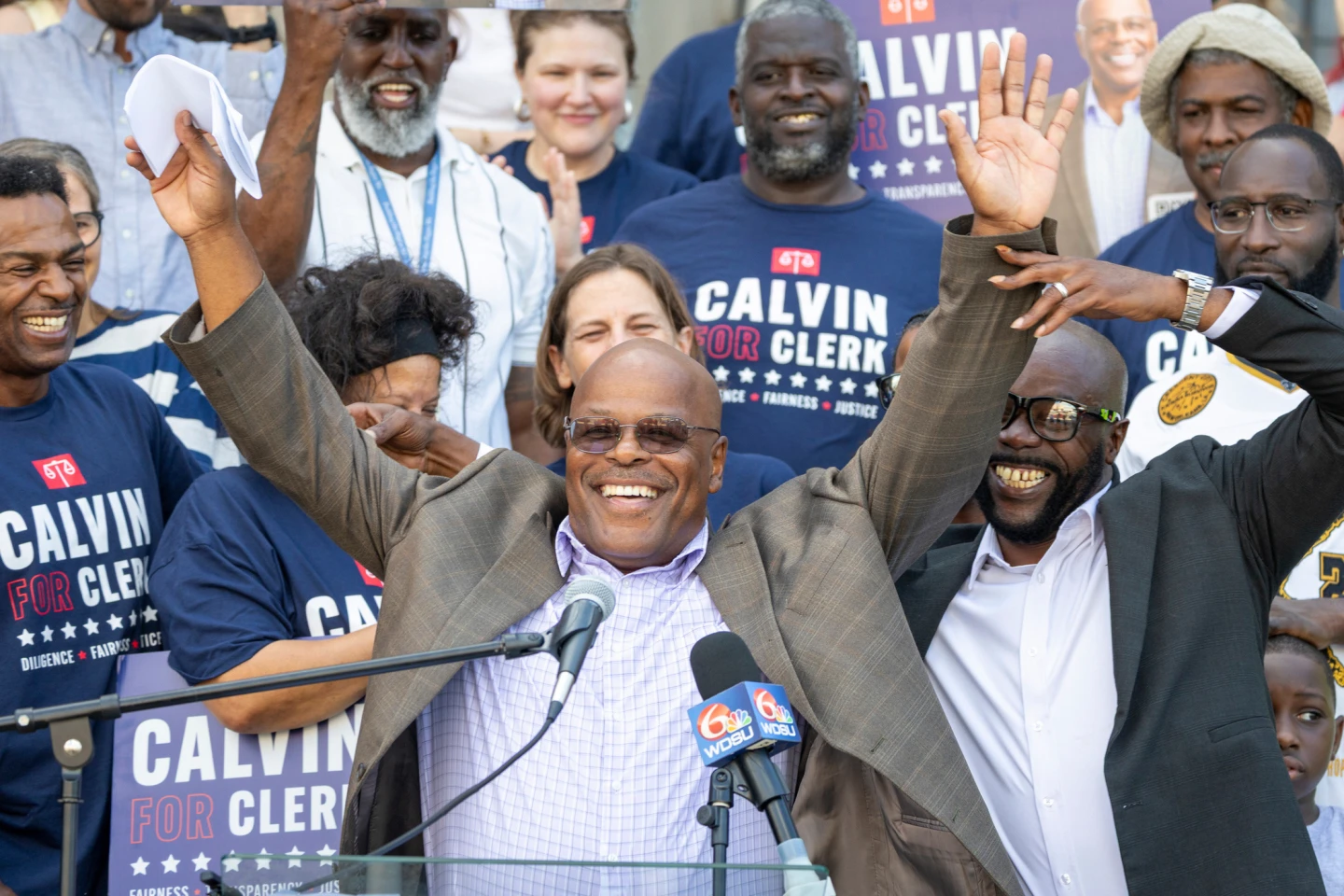
NEW ORLEANS (AP) — Calvin Duncan, who experienced nearly 30 years of wrongful imprisonment before his exoneration, has won a significant election in New Orleans meant to reform a flawed judicial system. His victory, which saw him receive 68% of the vote, was fueled by his determination to rectify the injustices he endured in maximum security prison while fighting for access to court records. As the newly elected clerk of the Orleans Parish criminal court, he aims to bring transparency and fairness to the judicial process.
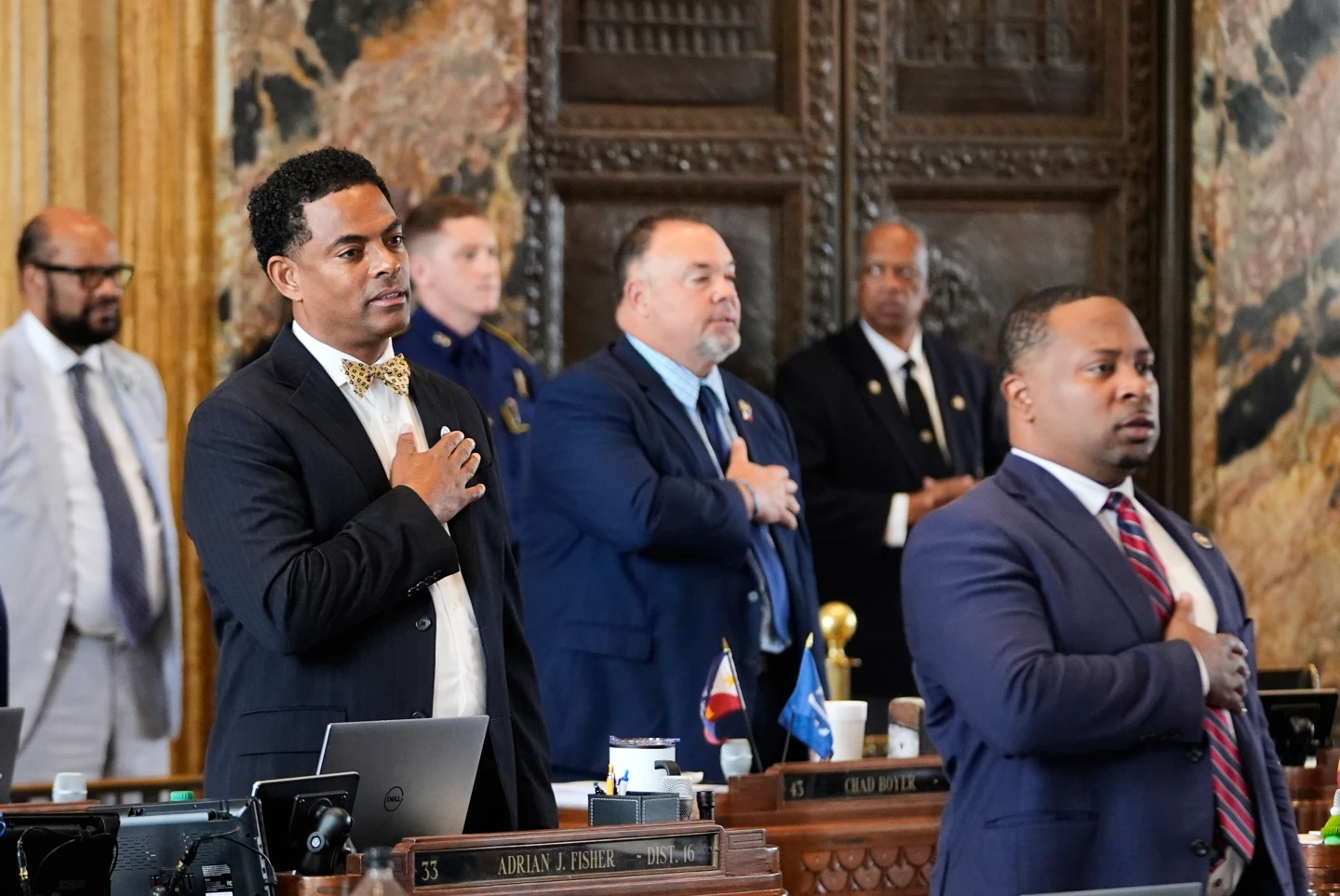
However, his swearing in, scheduled for May 4, is under threat as Louisiana Governor Jeff Landry and a Republican-controlled legislature are mobilizing to eliminate his newly established office. This maneuver is seen by Duncan and supporters as blatant political retribution. He believes this move reflects an ongoing denial of his innocence by state officials, despite his name being included in the National Registry of Exonerations.
Republican legislators defend this legislation as a measure to increase government efficiency in a region known for judicial dysfunction. A proposal to consolidate the role of the criminal clerk with that of the civil clerk is presented as an attempt to cut costs, although the implications of such a consolidation are uncertain. The assessed savings from this elimination are modest—around $27,300—but supporters claim it will provide long-term benefits.
Duncan, 62, argues that removing his position disregards the will of the voters and the legitimacy of his election, stating, 'The citizens of New Orleans overwhelmingly said: ‘I want to give this person a chance; he can make a difference’’.' He further highlights the impact this legislative action has on the electorate's voice, characterizing it as a disenfranchisement.
The objectivity of the bill's proponents, including Senator Jay Morris who sponsors the legislation, is questioned not just in terms of practicality but also in its political underpinnings. Critics like Senator Royce Duplessis express that such actions reflect poorly on political ethics, with implications extending beyond Duncan's situation to broader issues of representation and justice.
Duncan's election was a culmination of his efforts to uplift the rights of the wrongfully convicted, a mission fortified by previous legislative victories he spearheaded, including a pivotal Supreme Court ruling against nonunanimous jury convictions. Now, as the Republican-led efforts to erase his position unfold, Duncan remains steadfast, framing the battle as more than his personal journey; it’s a significant fight for voters' rights and judicial integrity.
However, his swearing in, scheduled for May 4, is under threat as Louisiana Governor Jeff Landry and a Republican-controlled legislature are mobilizing to eliminate his newly established office. This maneuver is seen by Duncan and supporters as blatant political retribution. He believes this move reflects an ongoing denial of his innocence by state officials, despite his name being included in the National Registry of Exonerations.
Republican legislators defend this legislation as a measure to increase government efficiency in a region known for judicial dysfunction. A proposal to consolidate the role of the criminal clerk with that of the civil clerk is presented as an attempt to cut costs, although the implications of such a consolidation are uncertain. The assessed savings from this elimination are modest—around $27,300—but supporters claim it will provide long-term benefits.
Duncan, 62, argues that removing his position disregards the will of the voters and the legitimacy of his election, stating, 'The citizens of New Orleans overwhelmingly said: ‘I want to give this person a chance; he can make a difference’’.' He further highlights the impact this legislative action has on the electorate's voice, characterizing it as a disenfranchisement.
The objectivity of the bill's proponents, including Senator Jay Morris who sponsors the legislation, is questioned not just in terms of practicality but also in its political underpinnings. Critics like Senator Royce Duplessis express that such actions reflect poorly on political ethics, with implications extending beyond Duncan's situation to broader issues of representation and justice.
Duncan's election was a culmination of his efforts to uplift the rights of the wrongfully convicted, a mission fortified by previous legislative victories he spearheaded, including a pivotal Supreme Court ruling against nonunanimous jury convictions. Now, as the Republican-led efforts to erase his position unfold, Duncan remains steadfast, framing the battle as more than his personal journey; it’s a significant fight for voters' rights and judicial integrity.